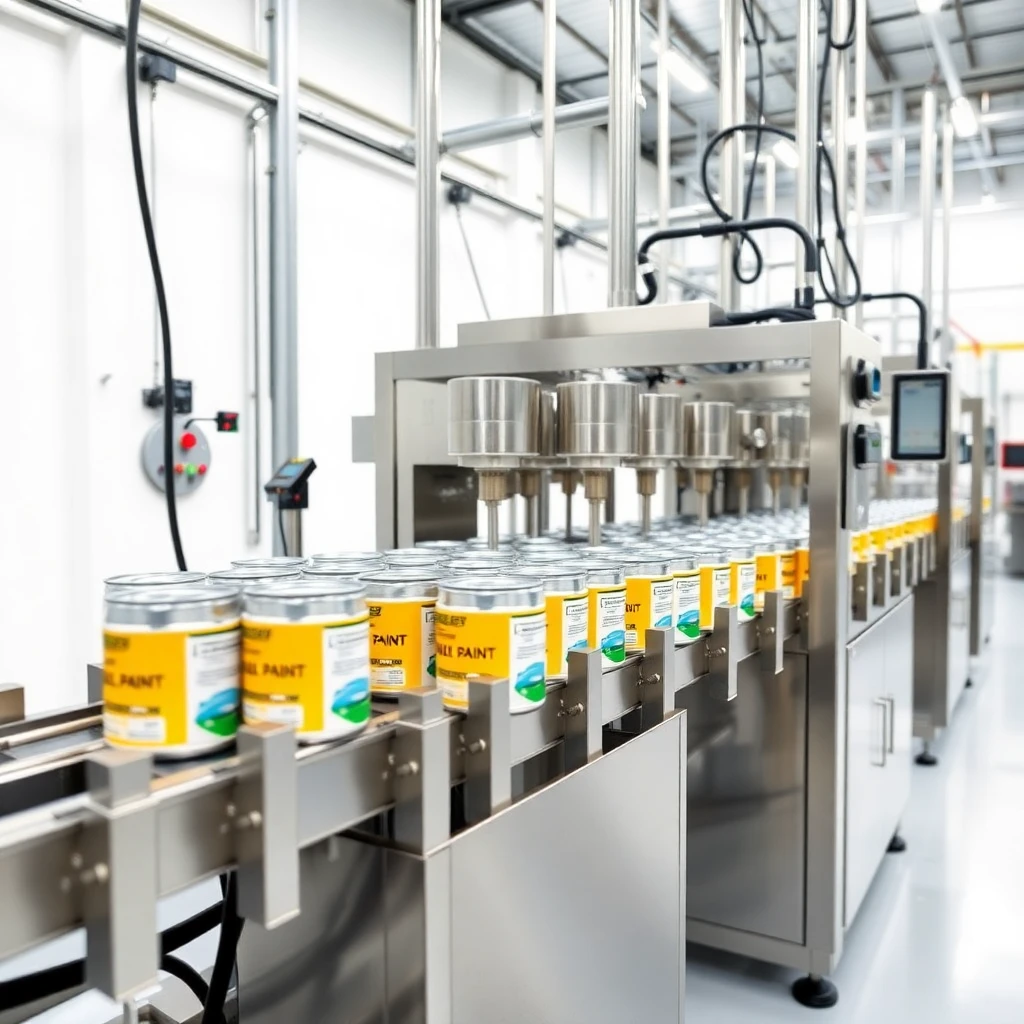
Container Selection Guide
Filling Machine Selection by Container: Bottle, Pail, Drum or IBC
A first-step routing guide for buyers who know the package but not the right filling machine category.
Short Answer
Container type is one of the fastest ways to route a filling machine RFQ. Bottles need stable conveying and capping, pails need weighing and lid handling, drums need bung and pallet workflow, and IBCs need top-fill access and forklift planning.
What this comparison usually means
This page supports broad searches where the buyer knows the package format but not the correct product category. It helps turn a vague filling machine request into a workable RFQ.
- Use the comparison to route the buyer to the right product family before discussing price.
- Confirm product behavior, container format, closure and target output before a model is selected.
- Treat broad terms as an RFQ starting point, not as a finished technical specification.
Configuration differences to verify
Bottle lines should review neck, cap, label and conveyor stability. Pouch lines should review pouch format and sealing. Pail lines should review weighing and lid press. Drum and IBC lines should review bulk handling, scale capacity and safety.
- Dosing principle, filling head count and automation level should follow the product and container.
- Closure handling, conveyor layout, weighing, dust control or safety modules often change the real scope.
- If the project covers several SKUs, confirm changeover and cleaning before comparing suppliers.
Planning range for first review
RFQ planning notes cover small cosmetic and food bottles, 1 L to 25 L pails, 200 L drums and IBC totes around 1000 L. Final equipment depends on product behavior, output target and site layout.
- Use the ranges as early planning references; final values depend on the confirmed model and technical agreement.
- Do not rely on generic price or competitor benchmark data; ask suppliers to confirm pricing against the actual product, container and line scope.
Common RFQ risk to avoid
The common mistake is asking for a generic filling machine quotation without saying the container. Container handling can be more important than the dosing unit.
- Do not ask for a machine name alone; include product, container, closure and target output.
- Do not compare quotations until the included scope is clear: filling only, complete line, documents, spare parts and commissioning support.
Selection Points
RFQ Checklist
| 1 | Container type, size, material, photos and drawings if available. |
| 2 | Product name, behavior, fill target and cleaning need. |
| 3 | Closure method and downstream modules. |
| 4 | Output target by unit per hour or per minute. |
| 5 | Safety, food-contact, documentation and installation requirements. |
Common Buyer Questions
Should I choose product type or container type first?
Use both, but container type is often the fastest way to avoid a wrong layout. Then add product behavior for dosing and material review.
What if I have multiple container sizes?
List every size and expected production share. Changeover may be simple or complex depending on the size range.
Can HEMUfill route a vague RFQ?
Yes, but the first review still needs product name, container photos, fill target and output goal.
Related Products
Related Guides
Need a clearer filling machine quotation?
Send the product name, container details, output target and required modules. HEMUfill will route the inquiry to the right filling machine configuration.
Send RFQ Details