Container family
Confirm whether the project fills pails, drums, or IBC totes, plus the actual container size, opening, and handling method.
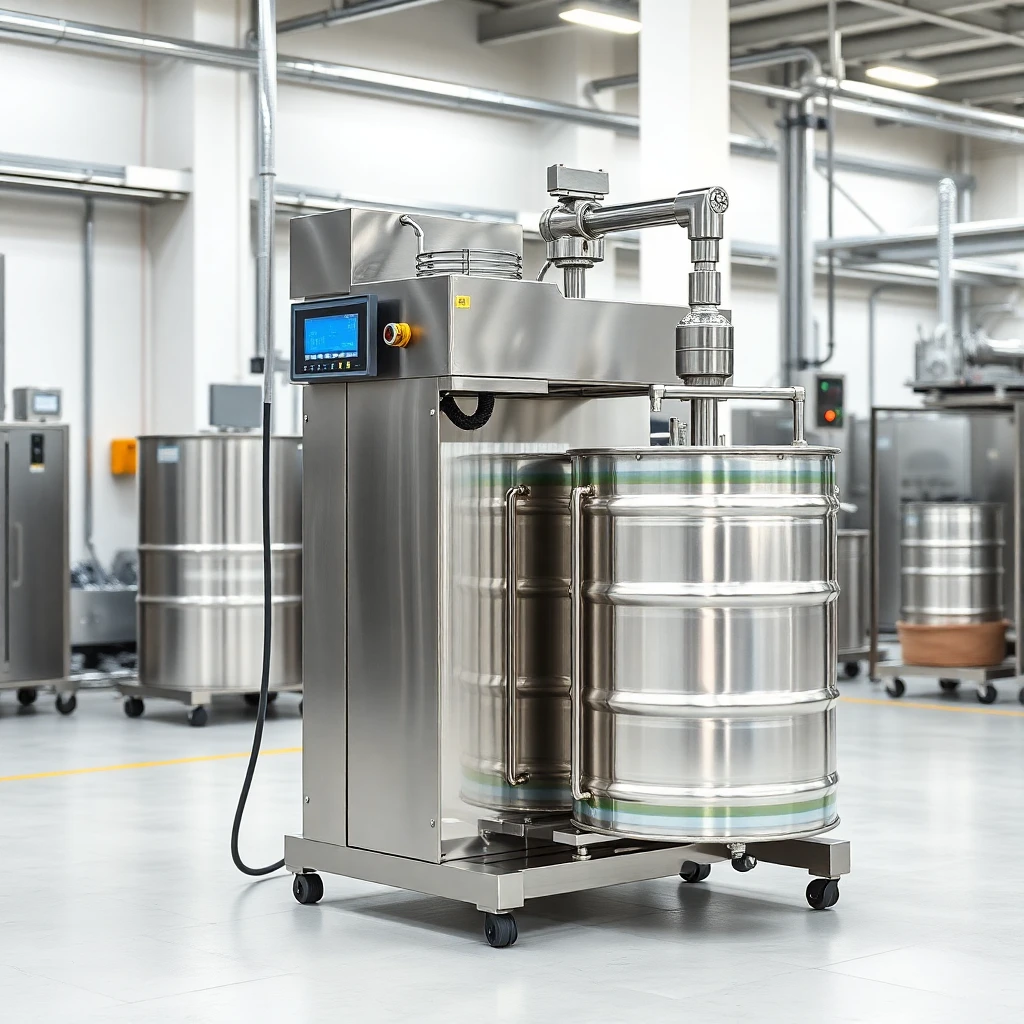
Industrial Bulk Container Filling
Industrial drum and tote filling machines for 20L pails, 200L drums and 1,000L IBC totes. Net-weight tolerance, hazardous-area documentation and multi-product platform scope are reviewed by product, container, site condition and destination market.
From semi-automatic drum fillers to fully automatic conveyor lines and IBC tote filling stations.
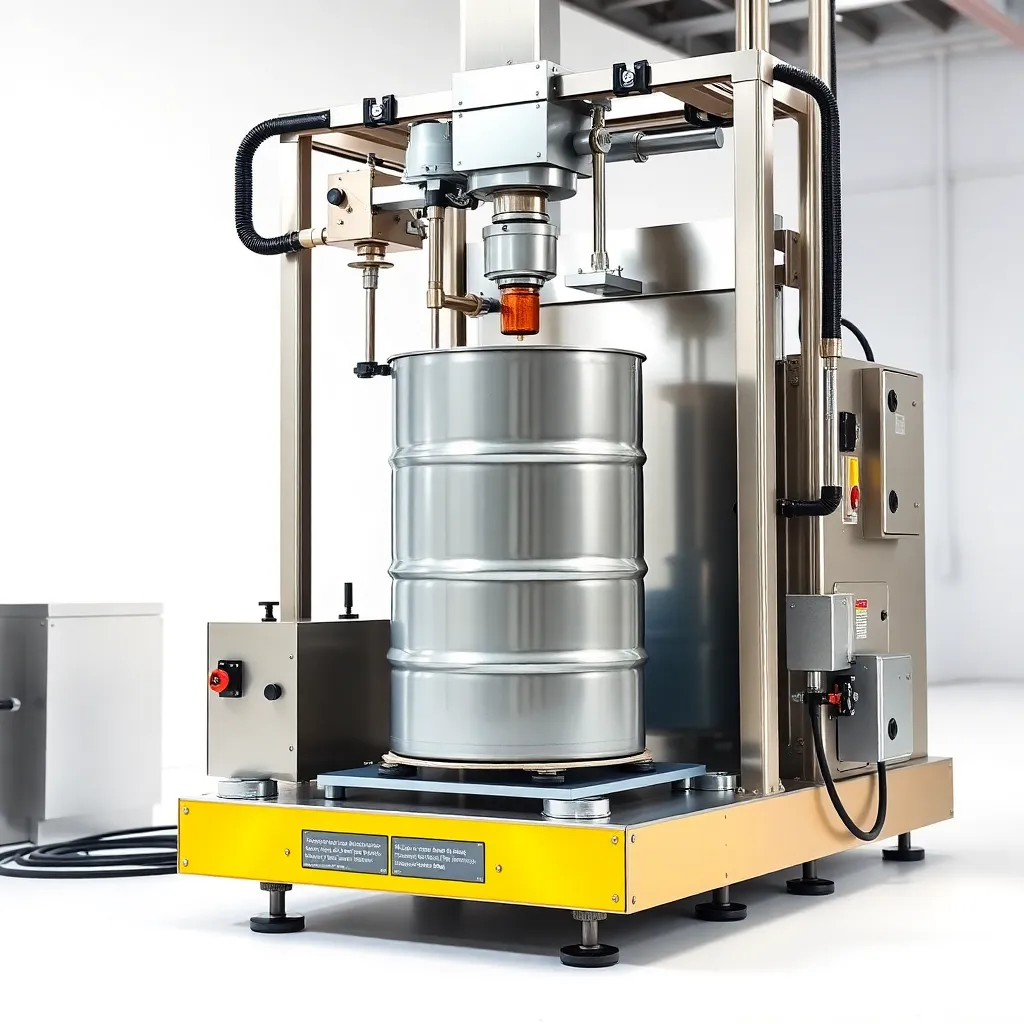
Floor-scale based drum filler. Operator positions drum, fill starts automatically on scale platform. Handles drums, kegs and pails. Ideal for mid-volume operations.
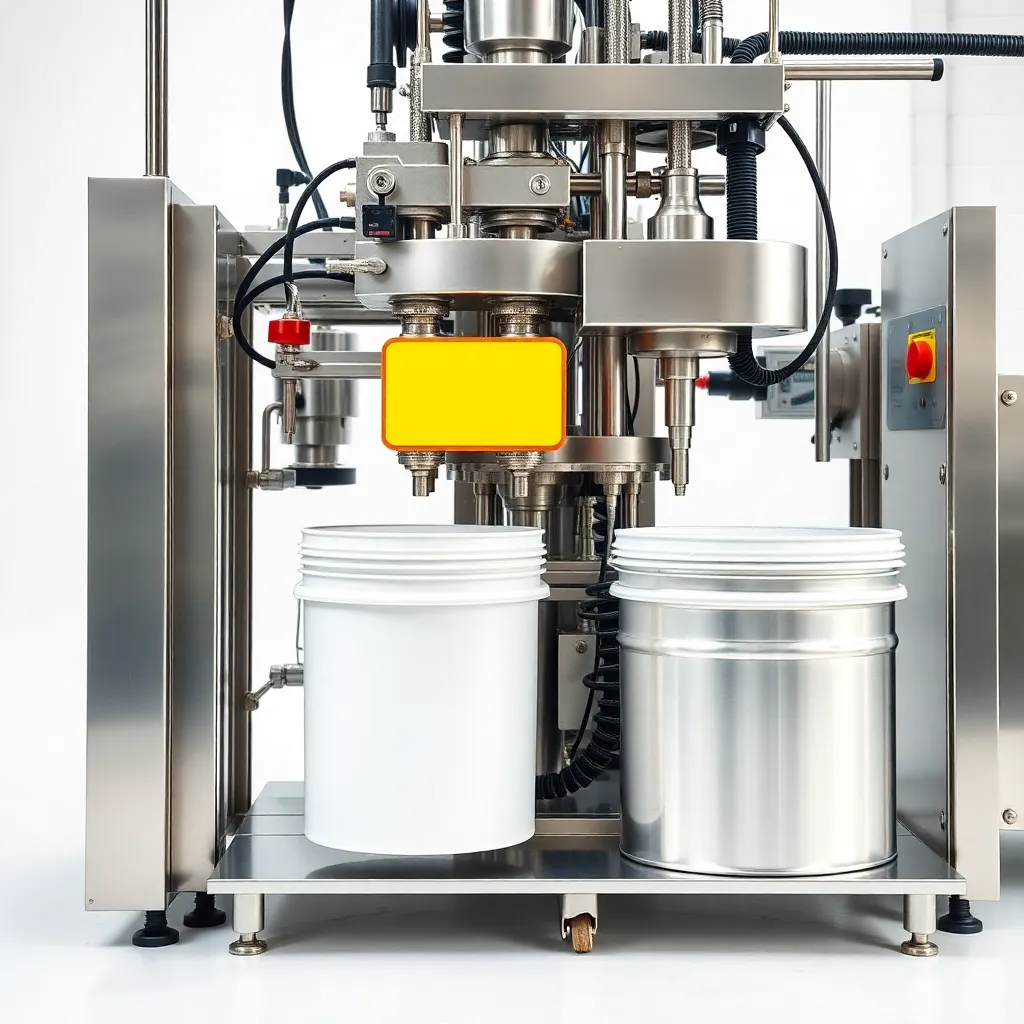
Net-weight or volumetric pail filler for 5L–25L plastic or metal pails. Suitable for paints, coatings, adhesives, food products, and lubricants.
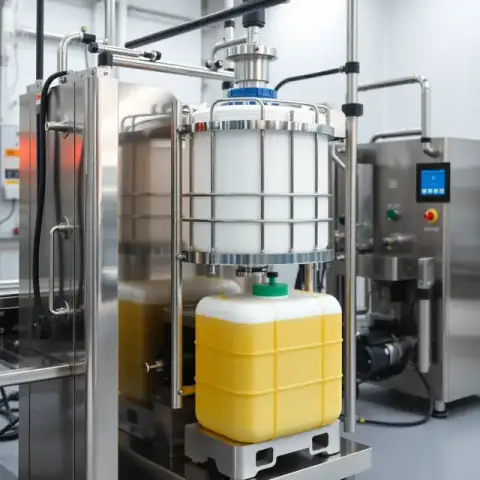
IBC tote filling machine for 200L–1,000L intermediate bulk containers. Rocker-arm or top-fill configurations for chemicals, lubricants and industrial liquids.
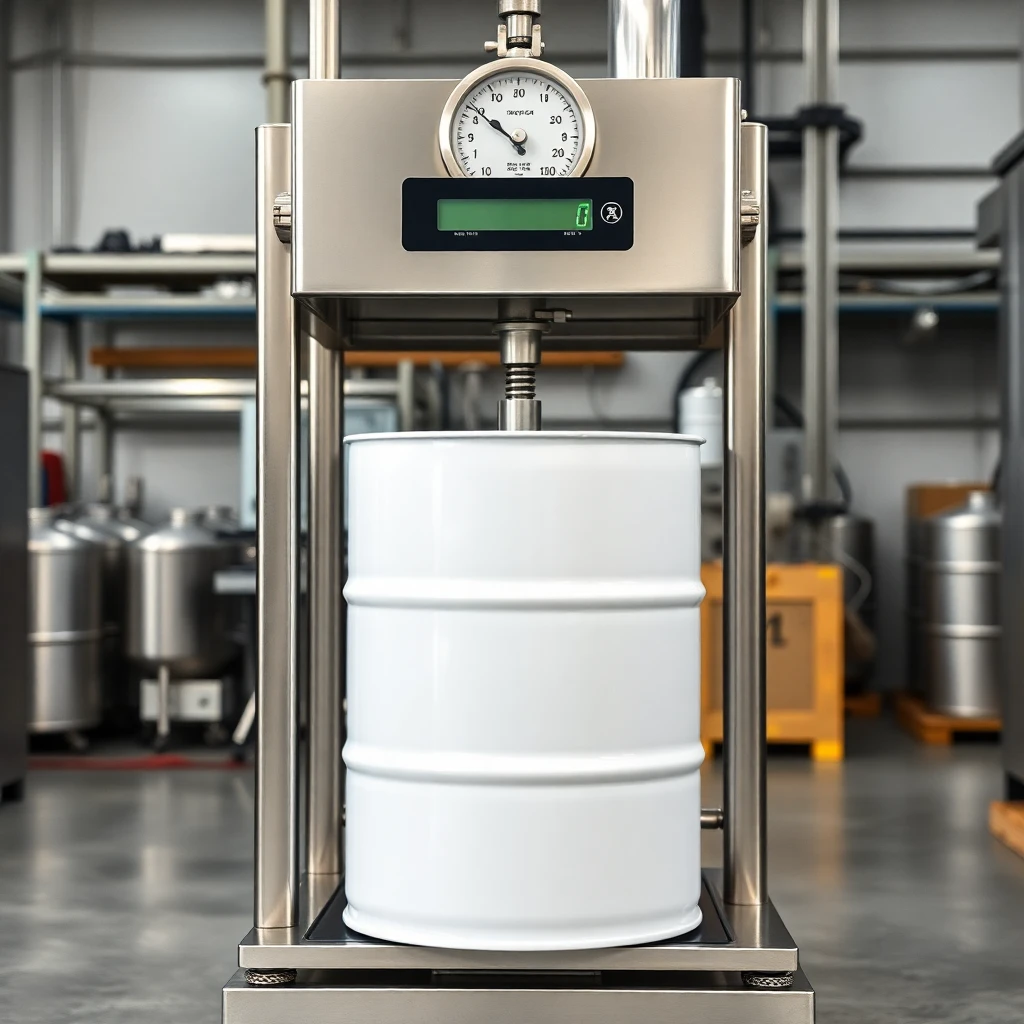
Fully automatic rotary drum filling system. Conveyor-fed, auto drum positioning, fill, cap and convey. 200L steel and plastic drums. Up to 15 drums/min.
System Selection
Select the container route first, then review the liquid, hazard area, handling method, and installation layout. This keeps a pail filler, drum filling station, and IBC tote filler from being treated as interchangeable equipment.
Confirm whether the project fills pails, drums, or IBC totes, plus the actual container size, opening, and handling method.
Share liquid type, viscosity, temperature, compatibility needs, and whether flammable-product requirements apply before selecting wetted parts or controls.
Define operator handling, conveyor or lift assistance, target output, batch changeover, and whether the process needs a semi-automatic station or a more automated line.
A useful first RFQ includes container drawings, liquid information, target fill quantity, available footprint, utility limits, and photos of the loading and discharge area.
Compare equipment types to match your containers, products and throughput requirements.
| Equipment Type | Container Size | Throughput | Tolerance | Footprint | Quote Scope |
|---|---|---|---|---|---|
| Semi-Auto Drum Filler | 20L – 220L drums | 3–8 drums/min | By RFQ | Compact station | Quoted by scope |
| Auto Drum Line | 60L – 220L drums | 8–15 drums/min | By RFQ | ~15m conveyor | Quoted by scope |
| IBC / Tote Station | 200L – 1,000L IBC | 2–6 IBC/hr | By RFQ | Rocker-arm station | Quoted by scope |
| Pail Filling Line | 5L – 25L pails | 5–20 pails/min | By RFQ | ~10m length | Quoted by scope |
* Prices are indicative. Final quotation depends on product type, ATEX requirements, container formats and automation level.
Load-cell systems are reviewed against the target fill weight, acceptance standard, calibration plan and destination requirements.
Drum and IBC filling equipment for flammable chemicals, solvents and petroleum products is reviewed by SDS, site classification and documentation needs.
The same platform may cover chemicals, lubricants or food liquids when material compatibility, cleaning method and product segregation are confirmed.
Operator ID, container ID, batch number, fill weight, time and temperature records can be specified when traceability is part of the RFQ.
Installation, commissioning, operator training and spare-parts expectations are confirmed by destination, equipment complexity and service agreement.
Declaration, validation, material, calibration and acceptance files are reviewed according to application and final technical agreement.
Common questions about drum and IBC tote filling machine selection.
Tell us your products, container formats and target throughput. We'll review the equipment and quotation scope after product, container and output details are submitted.
RFQ scope reviewed

扫码添加微信
WeChat Contact