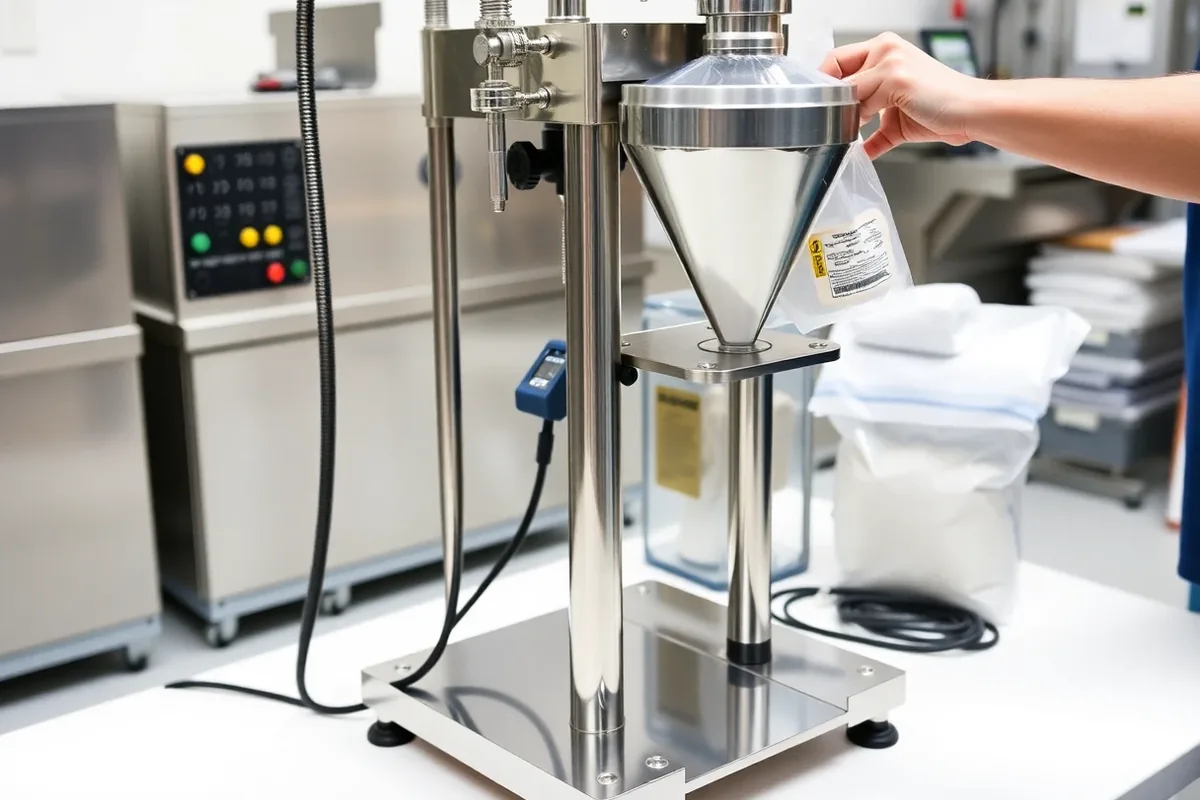
Semi-Automatic Powder Filling Machine
Semi-automatic powder filling machine: 50g–10kg, by RFQ or by RFQ, 5–30 fills/min. Compact, easy changeover, multi-SKU. Auger or net-weight models. documentation reviewed.
Key Features
Foot-Pedal Activated Fill
Hands-free fill trigger via foot pedal. Operator positions container and triggers fill without removing hands from the packaging task. Achieves 10–40 fills/min for small-scale or artisan production runs without operator fatigue.
Easy Recipe Change
Fill weight, auger speed and delay stored in a simple digital display controller. Change between products in under 2 minutes. No engineering knowledge required for daily setup or product changeover.
Lab and Pilot Ready
220V single-phase power — no special electrical supply needed. Compact tabletop footprint suitable for R&D labs, quality control sampling, pilot batch production and small artisan food or cosmetic operations.
Technical Specifications
Applications
Product Gallery
FAQ
What is a semi-automatic powder filling machine?▾
A semi-automatic powder filling machine automates the dosing step while the operator handles container placement and removal manually. The typical workflow: (1) operator places an empty container under the fill nozzle; (2) presses a foot pedal or pushes a button; (3) the machine doses the pre-set weight of powder automatically; (4) the machine stops when the fill is complete and the operator removes the filled container. Semi-automatic machines are ideal for: small to medium production volumes (5–30 fills/min), multi-SKU operations with frequent product changeover, start-up or test production, and facilities with limited floor space or budget.
How is fill weight controlled on a semi-automatic machine?▾
Three control methods are common: Volumetric auger control (most common): a servo motor drives the auger a pre-set number of turns; adjusting the turns setting changes the fill weight. Tolerance reviewed by RFQ when bulk density is consistent. Net-weight load cell: the container sits on an integrated scale; filling stops when the target weight is reached. Tolerance reviewed by RFQ regardless of density variation. Best for regulatory compliance. Timed fill: a timer controls how long the filling mechanism runs; simplest and lowest cost but sensitive to density and flowability changes. For most applications, volumetric auger control offers the best balance of accuracy and cost.
Can one semi-automatic machine handle multiple different products?▾
Yes — this is a key advantage of semi-automatic machines. Changeover procedure: (1) empty the hopper of the previous product; (2) remove and clean the auger and fill tube (tool-free disassembly standard); (3) rinse or dry-clean the hopper; (4) install the correct auger size for the new product; (5) set the target weight on the digital controller; (6) run a few trial fills and confirm weight. Full changeover takes 15–30 minutes for an experienced operator. For pharmaceutical or allergen crossover between products, full CIP validation is required, which adds time.
What is the difference between semi-automatic and fully automatic?▾
Semi-automatic: operator places container, machine fills, operator removes. Speed: 5–30 fills/min. Suitable for <500 kg/day or frequent SKU changeover. Lower capital cost (scope-based quotation). Fully automatic: conveyor moves containers in, fills, and out continuously with no operator intervention. Speed: 30–400+ fills/min. Suitable for >500 kg/day or single-SKU high-volume production. Higher capital cost (scope-based quotation). For a business producing 5–20 different SKUs with volumes of 50–500 kg per day each, a semi-automatic machine typically offers the best total cost of ownership.
Is a semi-automatic machine suitable for dusty or hazardous powders?▾
Semi-automatic machines can be specified for dusty and moderately hazardous powders with appropriate options: enclosed fill nozzle with dust extraction collar; sealed fill chamber; operator PPE (dust mask, gloves, goggles) required; anti-static hopper and frame earthing for electrostatically charged powders; ATEX documentation-reviewed electrical components for explosive dust applications (food starch, sugar dust, grain dust). For highly hazardous or potent chemical powders (OEB 3+), a fully enclosed semi-automatic with glove ports and local exhaust ventilation is required — contact us for configured options.
What is the price of a semi-automatic powder filling machine?▾
A basic benchtop volumetric auger filler (1g–500g, foot pedal trigger): scope-based quotation. Mid-range semi-auto with digital display, hopper and auger (50g–5kg): scope-based quotation. Semi-automatic net-weight floor model with load cell scale (100g–10kg): scope-based quotation. Pharmaceutical-grade semi-auto with 316L contact parts and GMP documentation: scope-based quotation. Contact us with your powder type, fill weight range and production volume for a specific quotation.
Solution References
Application configuration examples
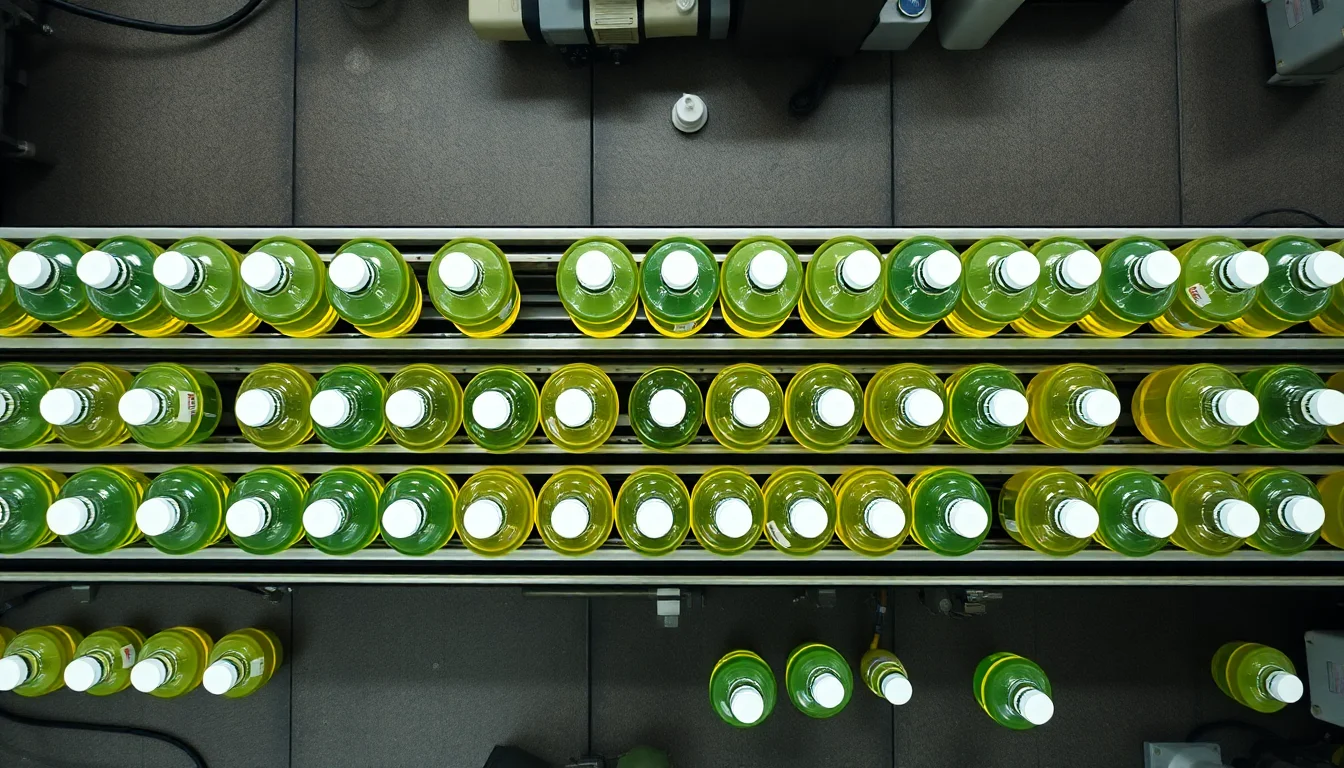
Semi Automatic Powder Filling Machine
A buyer needed a configuration review based on product, container, output and documentation scope.
A reference configuration can be reviewed after RFQ details are submitted.
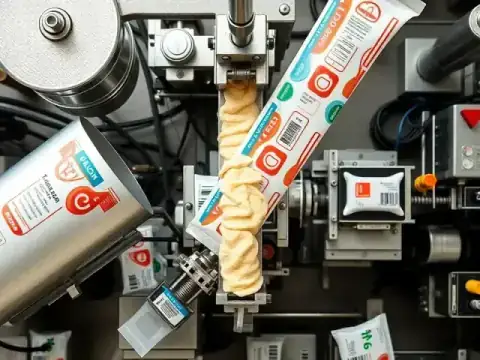
Semi Automatic Auger Powder Filling Machine
A buyer needed a configuration review based on product, container, output and documentation scope.
A reference configuration can be reviewed after RFQ details are submitted.
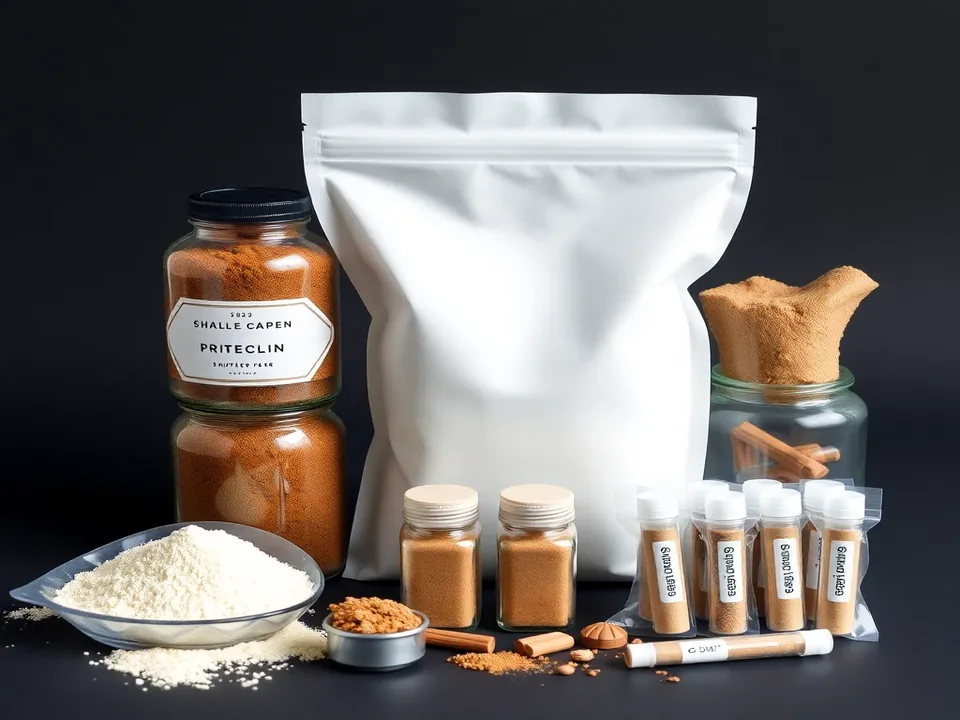
Tabletop Dry Powder Filling Machine
A buyer needed a configuration review based on product, container, output and documentation scope.
A reference configuration can be reviewed after RFQ details are submitted.
Get a Free Semi-Auto Assessment
Share your powder type, fill range and daily volume. Engineers respond after scope review.
Request Free AssessmentSolution References
Solution References
Powder filling solution references for this product.
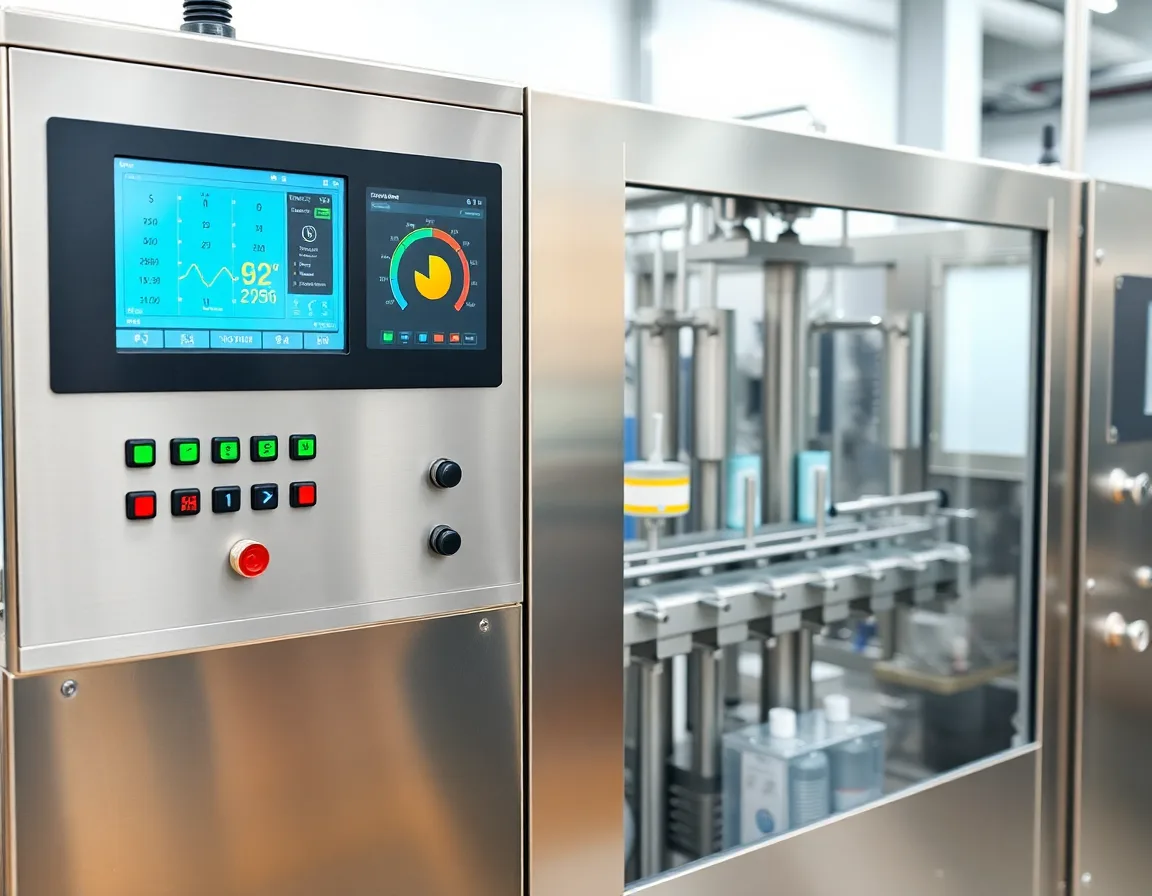
Mexico application reference
Filling machine solution reference
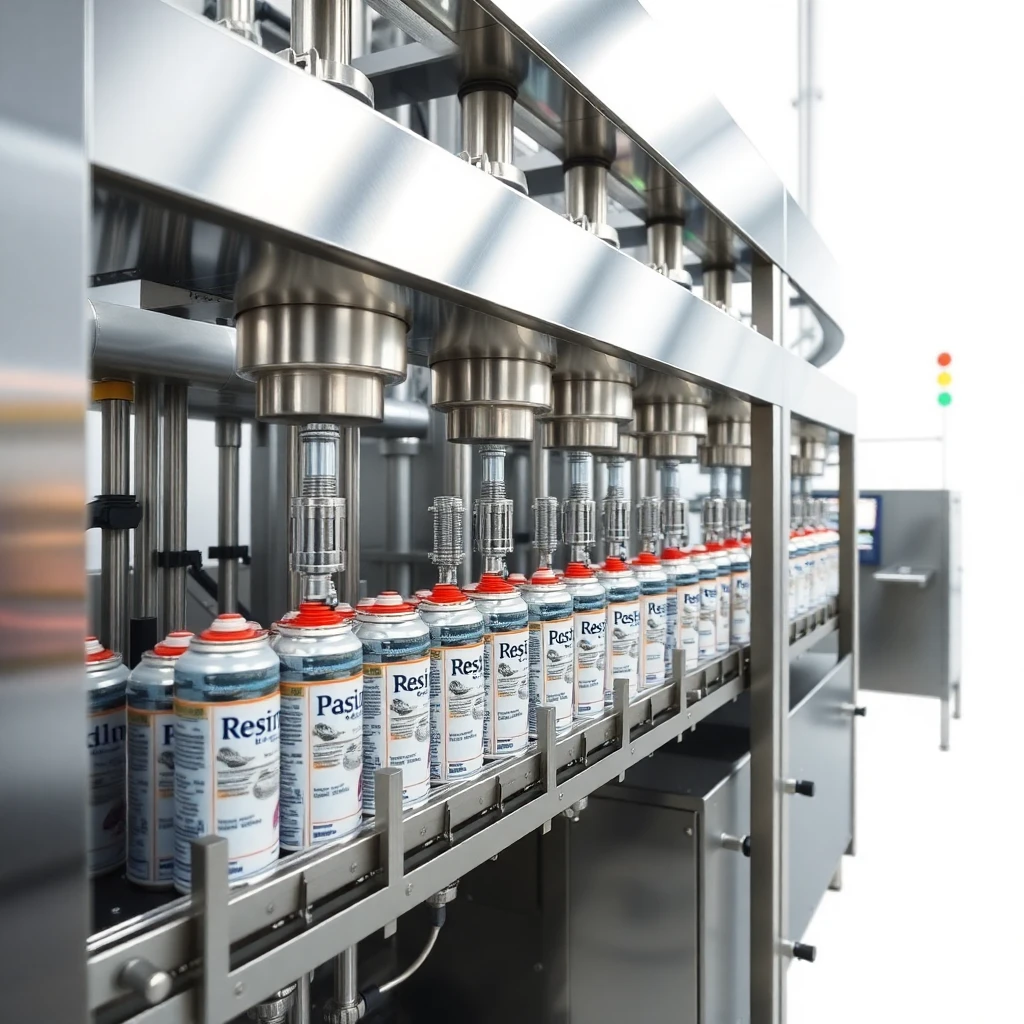
UK application reference
Filling machine solution reference
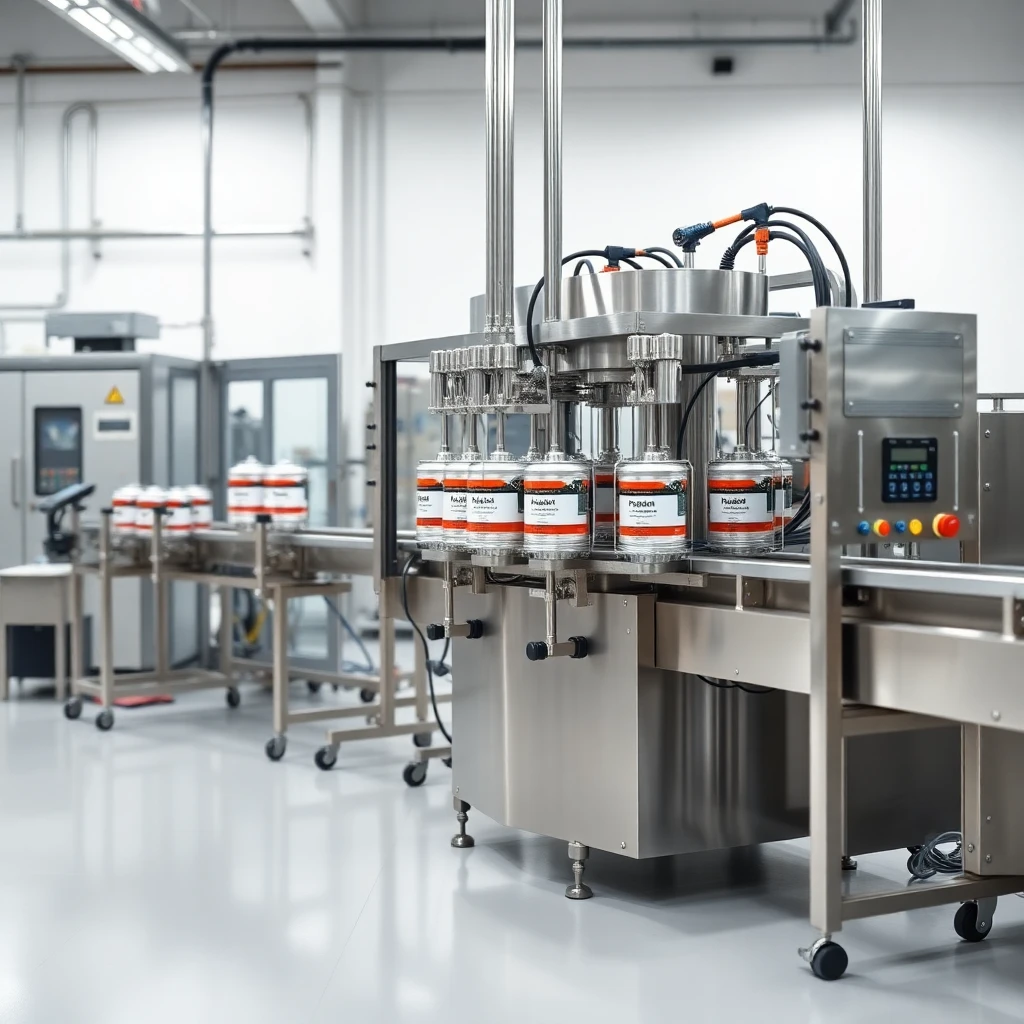
USA application reference