1
Powder behavior
Product name, bulk density, particle size, moisture sensitivity, flowability, dust level and whether a sample is available.
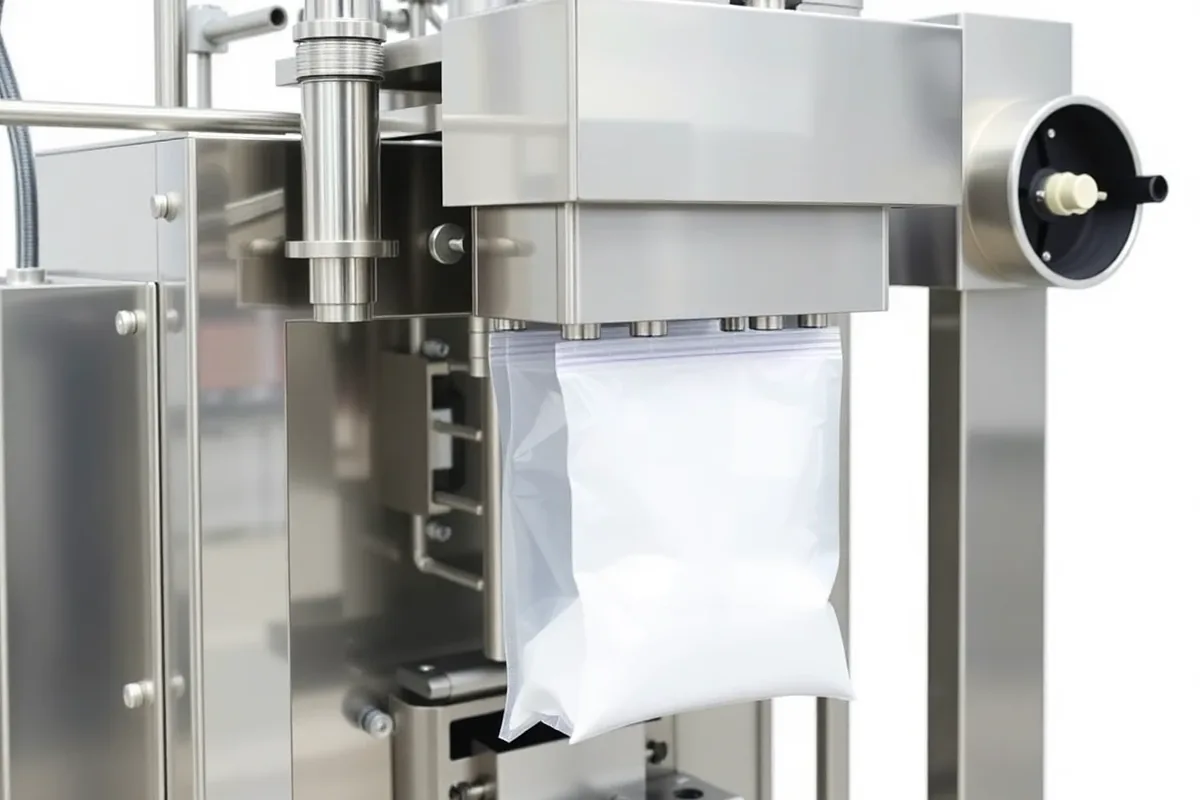
Powder bagging machine for 5–50kg open-mouth bags. Net-weight by RFQ, 200–600 bags/hr. Automatic bag sewing or heat seal closing. Flour, cement, fertilizer, chemical powder. documentation reviewed.
Electronic load cell measures each bag fill to by RFQ. Auto-compensation for bag tare weight variation. Eliminates manual tare adjustments across different bag batches — maintains accuracy even when switching between 25kg and 50kg bags.
Pneumatic clamp arm automatically grips open-mouth bags of different sizes. Bag presence sensor prevents empty fills. Integrated conveyor auto-advances filled bags and presents empty bags — reduces operator fatigue in high-volume bagging operations.
Interchangeable heat seal and bag sewing closing systems on a single machine frame. Heat seal for PE/PP laminate bags; sewing unit for kraft paper and woven PP sacks. Switch closing method without machine replacement.
RFQ preparation
Powder bagging quotes depend on powder flow, dust control, bag handling and closing method. These inputs help engineering choose net-weight or gross-weight filling and avoid undersized dust extraction.
Send Project DetailsProduct name, bulk density, particle size, moisture sensitivity, flowability, dust level and whether a sample is available.
5-50kg target weight, paper, woven PP or PE-lined bag, bag opening size, gusset, liner and closure method.
Required tolerance, bags per hour, manual bag hanging or automatic bag magazine, and whether checkweighing is needed.
Confirm feeding method, hopper, dust collector, bag sewing or heat sealing, conveyor, metal detector and palletizer boundary.
A powder bagging machine fills powder into open-mouth bags and then routes the filled bag to closing, conveying or inspection. The correct configuration depends on the material sample or SDS, bag sample, target fill weight, dust behavior, acceptance method and downstream layout. Buyers should treat the bagging machine as one part of a defined packaging process rather than assume that a catalogue model includes every feeder, conveyor, closing station, dust connection or inspection function.
Sewing, heat sealing, folding, tape or combined closing can be considered depending on the bag material, liner, product dust, seal requirement and downstream handling. The RFQ should include bag drawings, photos or physical samples and should state whether excess air removal, bag-top cleaning, label application or leak control is required. The supplier should identify the closing equipment, consumables, utilities and interfaces included in the offer instead of leaving the bag-closing scope implicit.
A net-weight system weighs the product before discharging it into the bag, while a gross-weight system weighs the bag and product together during filling. The better choice depends on bag-weight variation, required throughput, product flow, available headroom, cleaning needs and the buyer's acceptance method. The quotation should state the proposed weighing principle, load-cell arrangement, coarse and fine feed sequence, in-flight compensation method and calibration procedure. Accuracy and output should be confirmed against the actual material and bag rather than treated as universal catalogue values.
Review the fill-spout seal, dust extraction connection, enclosed transfer points, hopper venting, product-contact material, replaceable wear parts and cleaning access. Hygroscopic, corrosive or abrasive fertilizer products may need additional material and maintenance review. The supplier should evaluate the SDS, chloride or chemical exposure, humidity and cleaning chemicals before confirming contact materials. Dust collection capacity and plant ventilation remain part of the site design, so the machine quotation should clearly separate equipment connections from the buyer's central extraction and environmental-control responsibilities.
Define the test material, target bag weights, allowed weight deviation, number of consecutive test bags, output target, bag-closing quality, dust condition and reject procedure before the test. The acceptance plan should also cover recipe changeover, calibration checks, alarm handling, cleaning access and the interface with conveyors, sewing or heat sealing, checkweighing and palletising if included. When the buyer's production material cannot be supplied for the factory test, document the substitute material and repeat the critical checks with the real product during site commissioning.
Application configuration examples
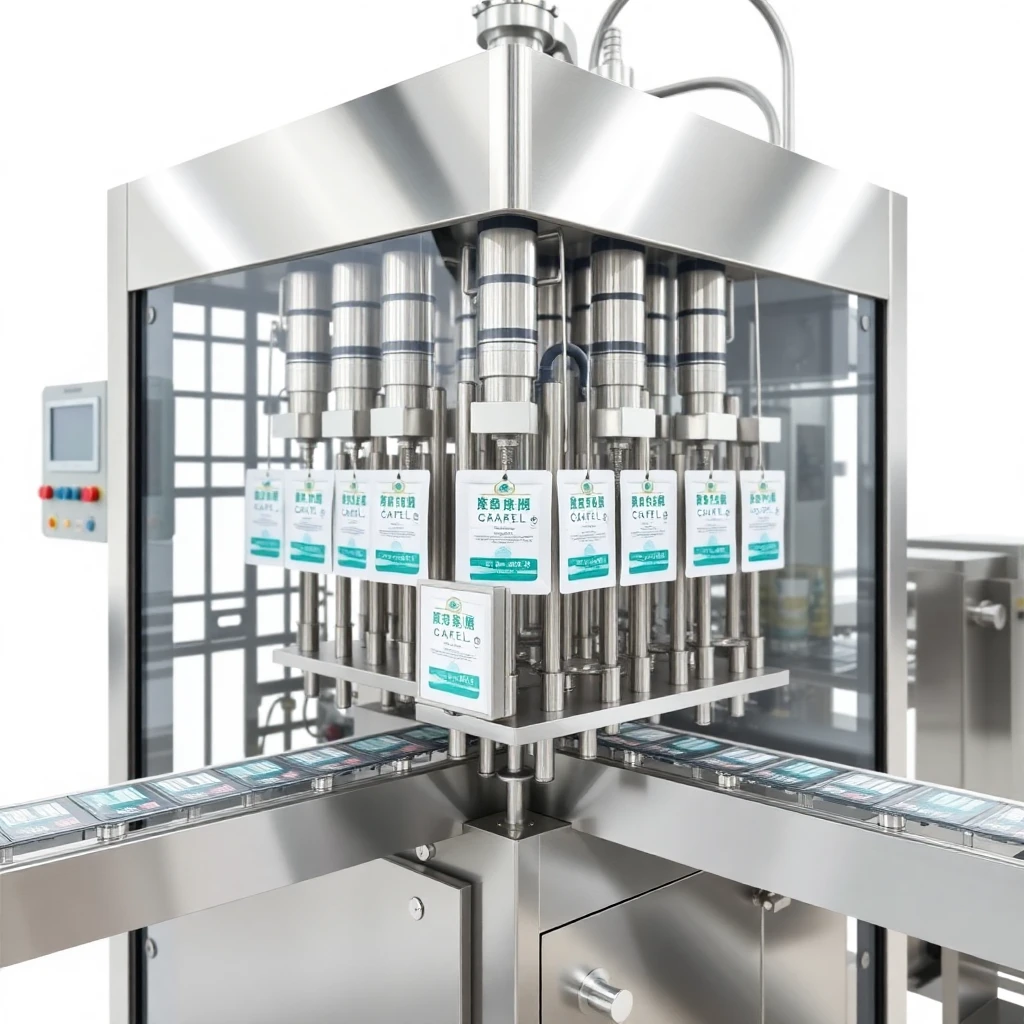
A buyer needed a configuration review based on product, container, output and documentation scope.
A reference configuration can be reviewed after RFQ details are submitted.
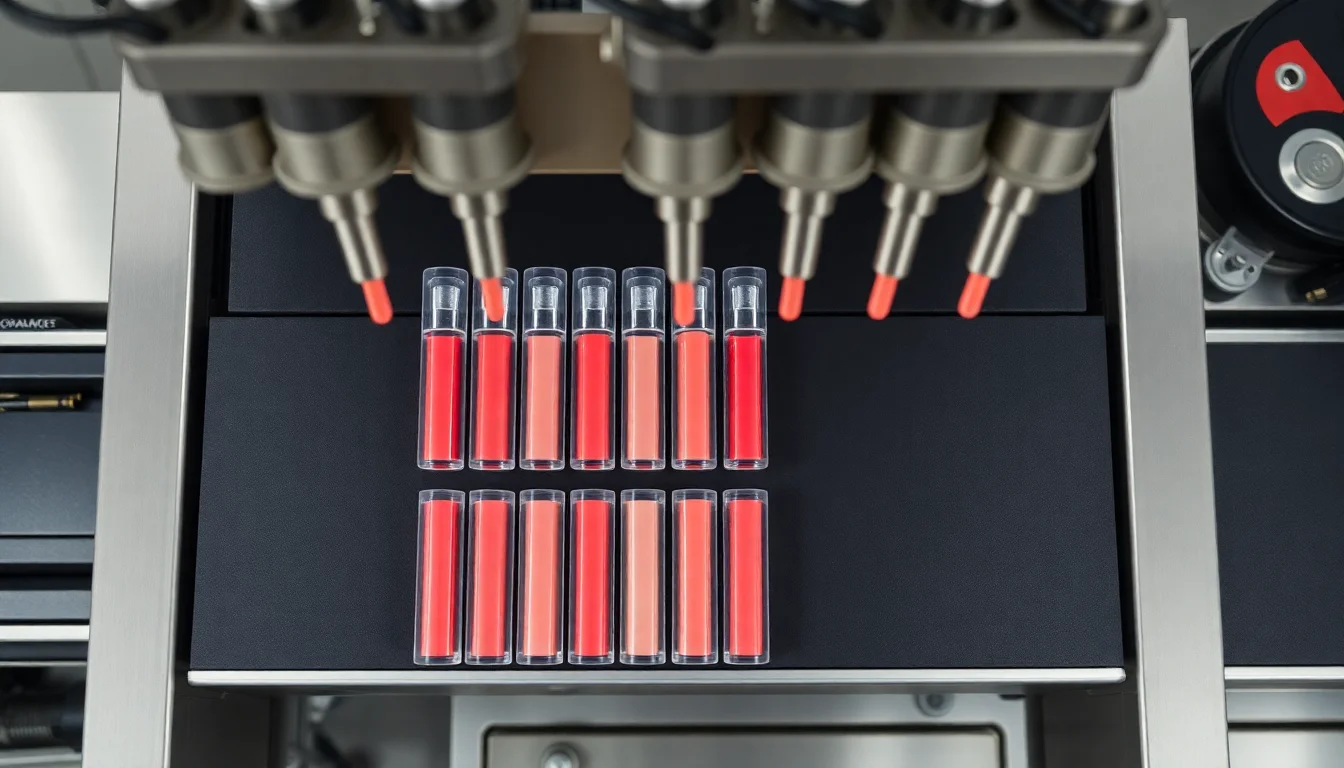
A buyer needed a configuration review based on product, container, output and documentation scope.
A reference configuration can be reviewed after RFQ details are submitted.
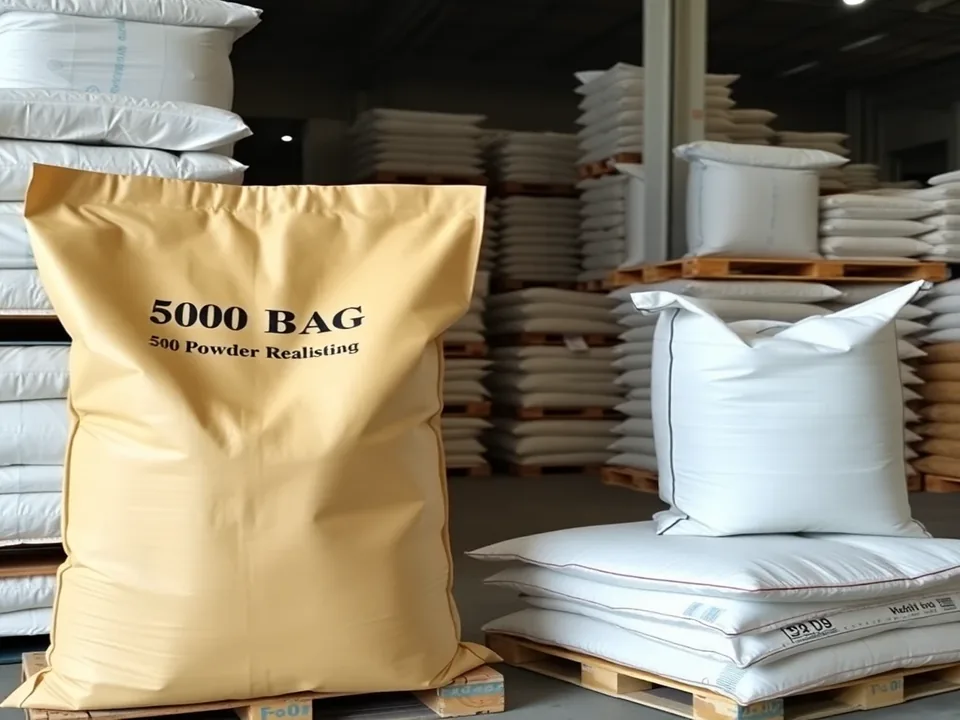
A buyer needed a configuration review based on product, container, output and documentation scope.
A reference configuration can be reviewed after RFQ details are submitted.
Share your powder type, bag size and daily output. Engineers respond after scope review.
Request Free AssessmentSolution References
Powder filling solution references for this product.
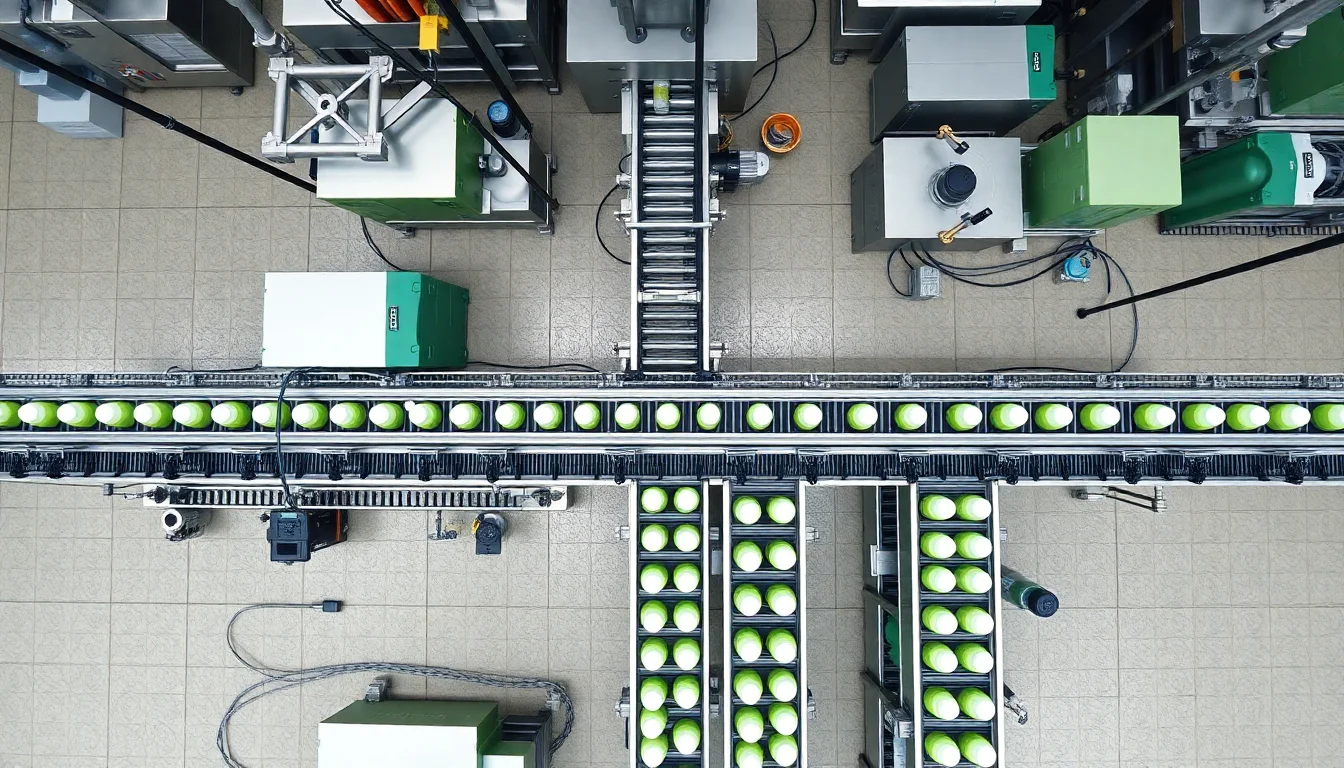
USA application reference
Vietnam application reference
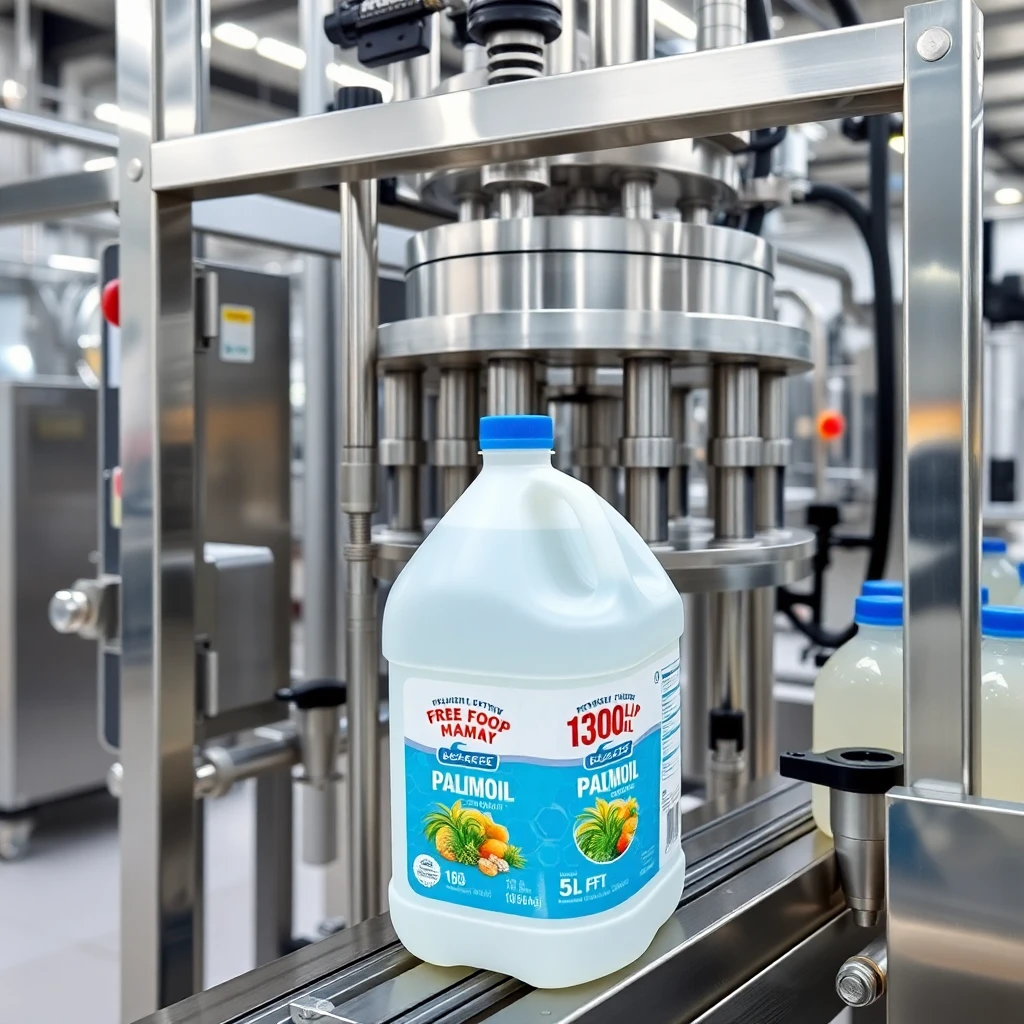
Brazil application reference

扫码添加微信
WeChat Contact