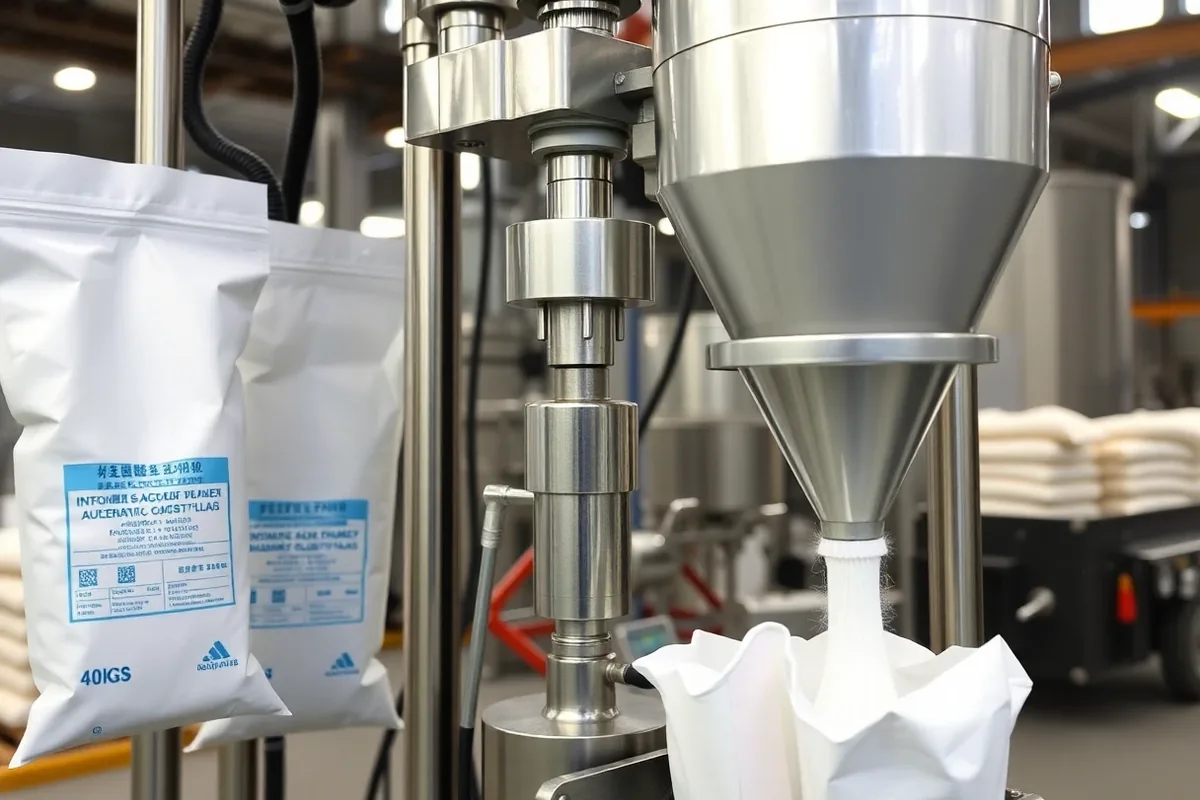
Valve Bag Filling Machine
Valve bag filling machine for 5–50kg valve bags. Impeller & fluidising models, by RFQ, 200–1,200 bags/hr, ATEX option. Cement, gypsum, fly ash, lime, chemical powder. documentation reviewed.
Key Features
Fluidising Fill for Dense Powders
Compressed air aeration fluidises cement, gypsum and fine chemical powders at the fill spout. Enables high-speed valve bag filling (200–1,200 bags/hr) without powder bridging or blockage. Consistent density fill for accurate bag weights.
Automatic Bag Hanging
Sensor-guided automatic bag spout alignment and pneumatic clamping. Operator loads empty bag stack; machine feeds, aligns, fills and deflates automatically. One operator can manage 3–4 filling machines simultaneously.
Integral Dust Recovery
Enclosed fill chamber with HEPA-filtered dust recovery extracts airborne powder during fill and deflation. Reduces workplace dust to <1 mg/m³. Dual benefit: cleaner facility and reduced product loss from dust emissions.
Technical Specifications
Applications
Product Gallery
FAQ
What is a valve bag filling machine?▾
A valve bag filling machine fills bags through a small valve opening in one corner or end of a pre-made bag, rather than through the open top. The bag is pre-sealed on all sides except the valve opening; after filling the valve is compressed or heat-sealed shut. This design gives a very clean, dust-free exterior because the bag is never fully opened during filling. Valve bag fillers are the industry standard for cement, gypsum, plaster, lime, fly ash and other fine, dusty powders. Speeds of 200–1,200 bags/hr are achievable depending on powder flowability and bag weight.
Impeller vs fluidising valve bag filler — which is better?▾
Impeller valve bag filler: uses a rotating impeller inside the fill tube to force dense, non-aerated powder (dry cement, sand, granules) through the valve. Higher fill speed, less sensitive to density variation. Best for heavy-duty cement, gypsum and sand applications. Fluidising (air-activated) valve bag filler: uses compressed air injected into the hopper and fill tube to aerate and fluidise the powder, which then flows rapidly under gravity pressure. Better for cohesive, fine powders that would bridge or block an impeller (fly ash, lime, fine calcium carbonate). Slightly lower fill speed, very consistent fill weight. For most cement and gypsum applications, the impeller type is preferred.
Can valve bag machines handle ATEX (explosive dust) environments?▾
Yes. For powders classified as explosive dust (sugar, starch, flour, grain, plastic pellets, aluminium powder), an hazardous-area documentation reviewed by project valve bag filling machine is required in many markets (EU ATEX Directive 94/9/EC, NFPA 652 in the US). hazardous-area documentation reviewed by project features include: documentation review explosion-proof electrical components; earthing/grounding straps on all rotating parts and bags; inert gas purge option; conductive or anti-static bag specifications; and spark-proof impeller materials. All HEMUfill valve bag machines can be specified with ATEX documentation review1 or Zone 22 documentation on request.
What types of valve bags are compatible?▾
Compatible valve bag types: PE (polyethylene) valve bags — most common for cement; valve is heat-sealed after filling. PP woven valve bags — high-strength for heavy materials; valve is self-sealing due to product pressure. Paper (multi-wall kraft) valve bags — standard for fertilizer, chemical, food-grade products; pinch valve or adhesive seal. Aluminium foil laminate valve bags — for moisture-sensitive or high-value products. All bag types require a standard valve opening size (typically 50–80mm diameter). Custom fill spout adapters are available for non-standard valve sizes.
How does a valve bag filling machine handle dust?▾
Dust control is critical for cement and chemical powder filling. HEMUfill valve bag fillers include: a sealed fill spout that engages directly with the bag valve, preventing powder escape during filling; a dust extraction collar and connected fabric filter or cyclone separator to capture displaced air from the bag during filling; an enclosed fill station with negative pressure to contain fugitive dust; and for highly dusty materials (fly ash, fine silica), a double-sleeve spout with independent dust extraction on both the inner fill path and outer bag contact. Regular filter cleaning and filter media selection are key to long-term dust control performance.
What is the capital cost of a valve bag filling machine?▾
A manual-placement single-spout valve bag filler (20–50kg bags, 200–600 bags/hr): scope-based quotation. Automatic bag placer + single fill station: scope-based quotation. High-speed rotary valve bag filling carousel (4–8 stations, 800–1,200 bags/hr): scope-based quotation. ATEX documentation, checkweigher and conveyor add-ons are reviewed by project scope. Contact us with your powder type, target bags/hr and bag weight range for a scope-based quotation.
Solution References
Application configuration examples
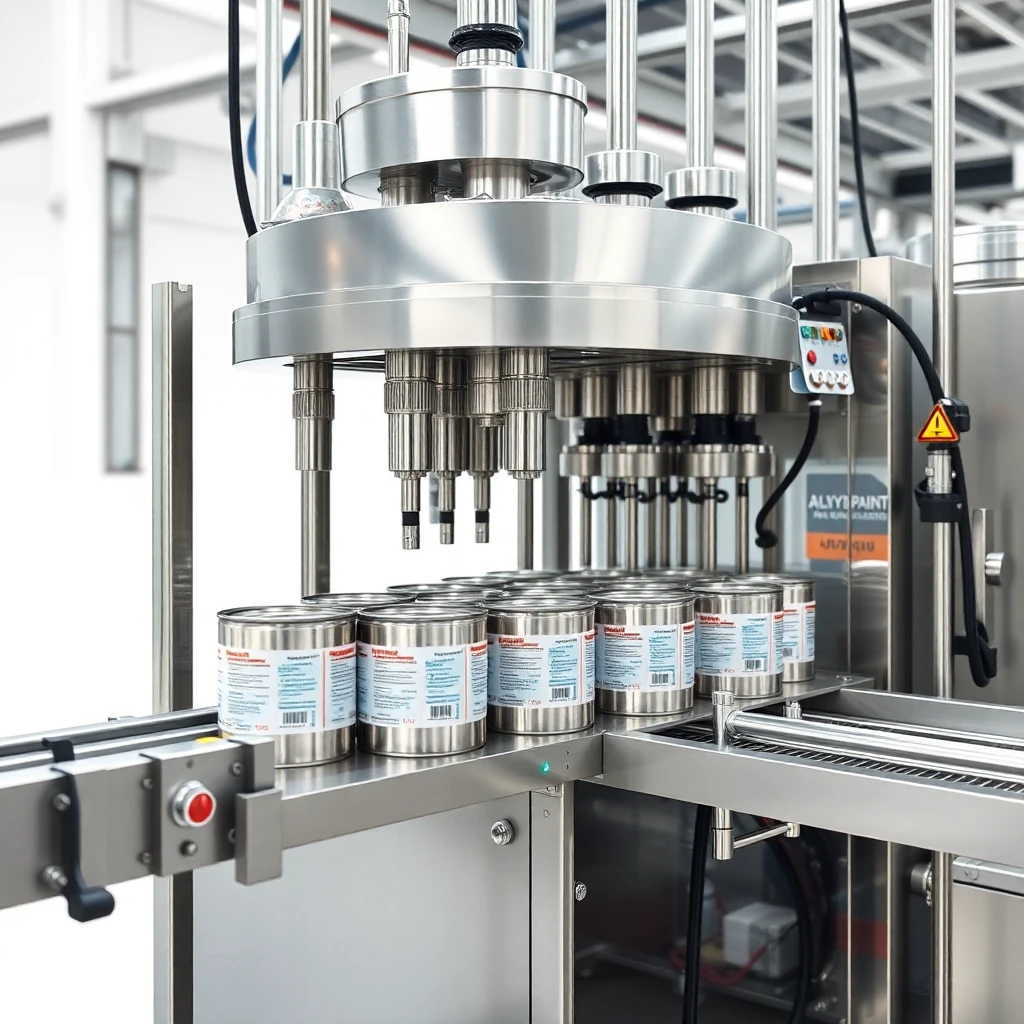
Valve Bag Filling Machine
A buyer needed a configuration review based on product, container, output and documentation scope.
A reference configuration can be reviewed after RFQ details are submitted.
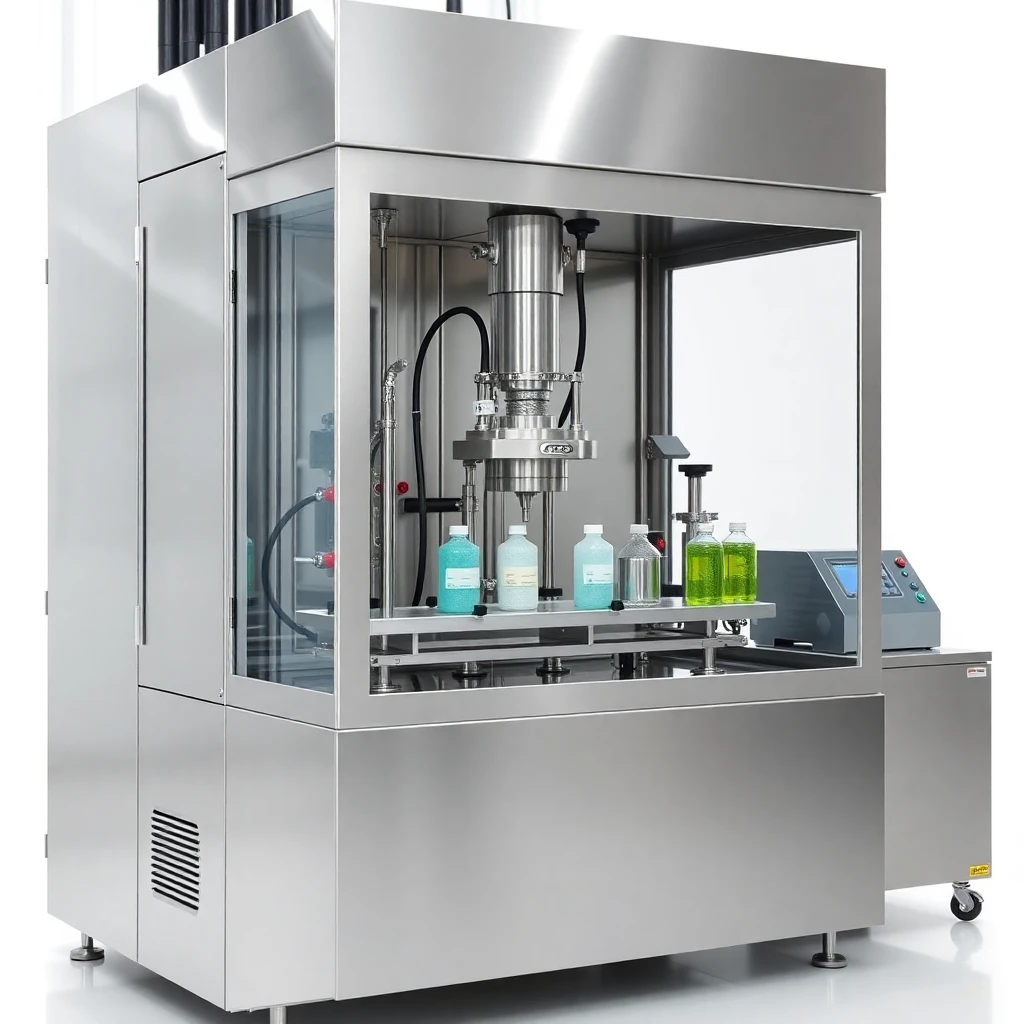
Chemical Powder Filling Machine
A buyer needed a configuration review based on product, container, output and documentation scope.
A reference configuration can be reviewed after RFQ details are submitted.
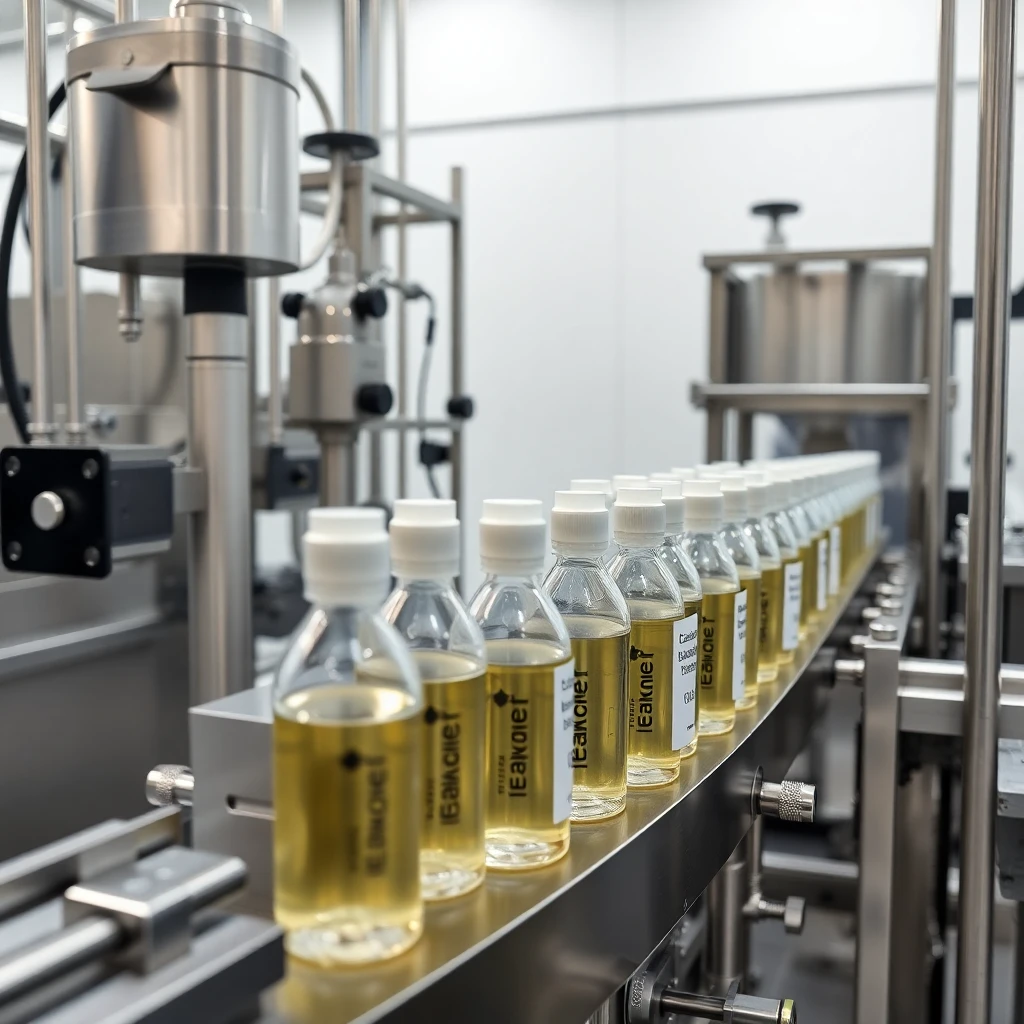
Cement Bag Filling Machine
A buyer needed a configuration review based on product, container, output and documentation scope.
A reference configuration can be reviewed after RFQ details are submitted.
Get a Free Quote for Your Valve Bag Filling System
Share your powder type, bag weight and target output. Engineers respond after scope review.
Request Free AssessmentSolution References
Solution References
Powder filling solution references for this product.
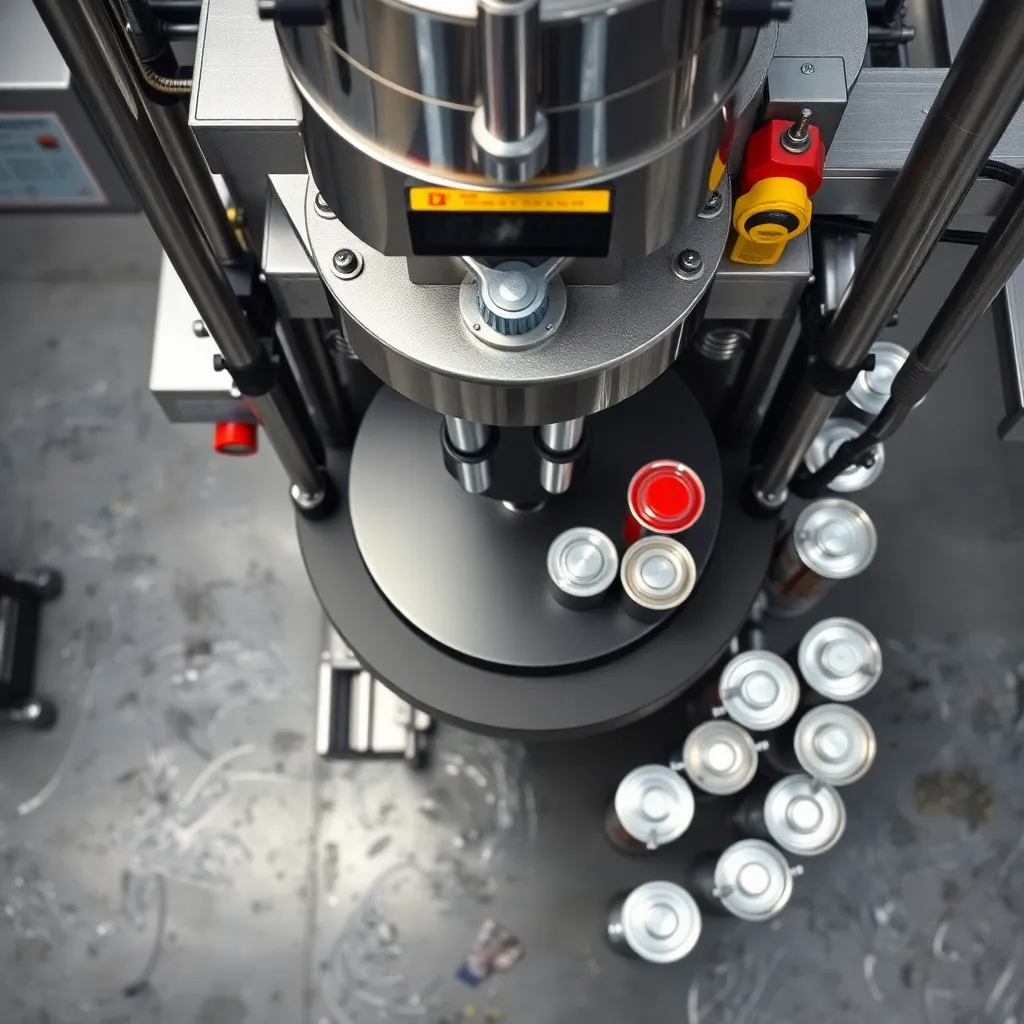
Germany application reference
Filling machine solution reference
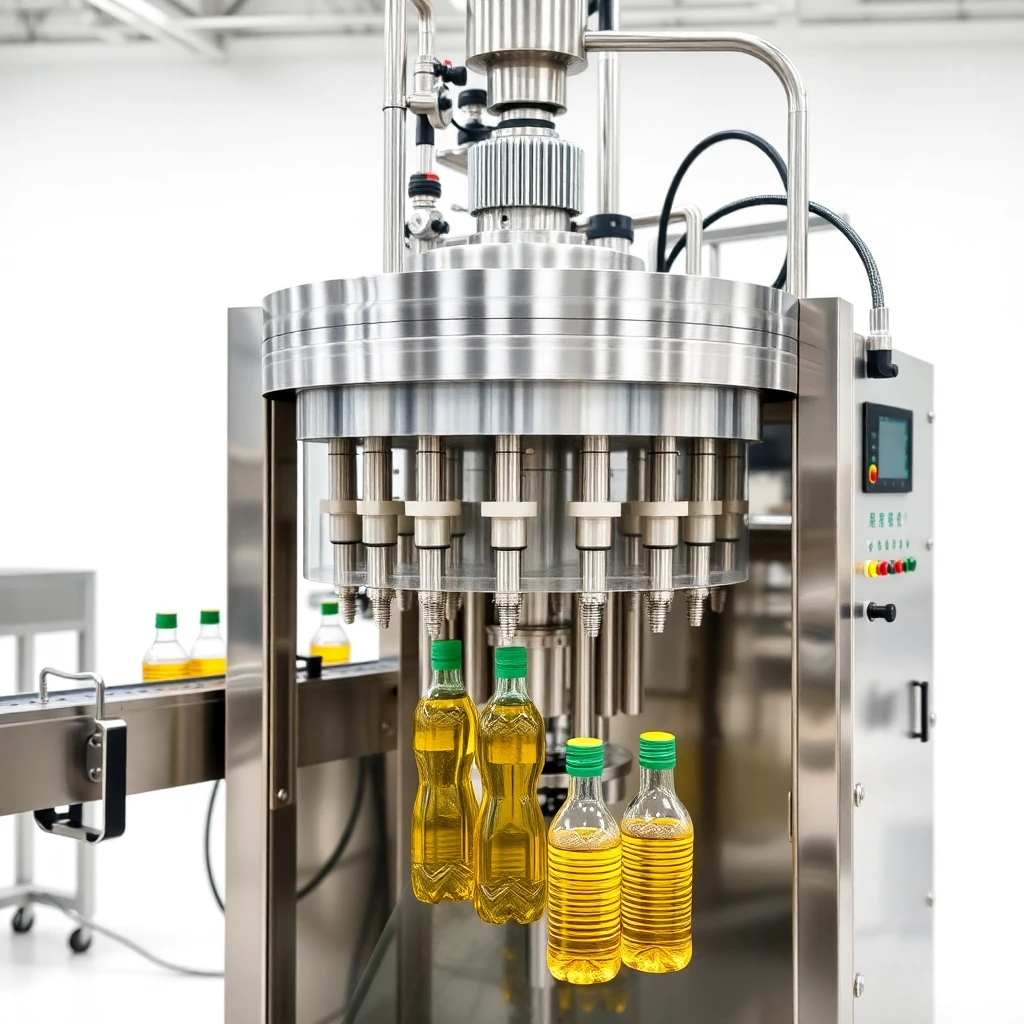
USA application reference
Filling machine solution reference
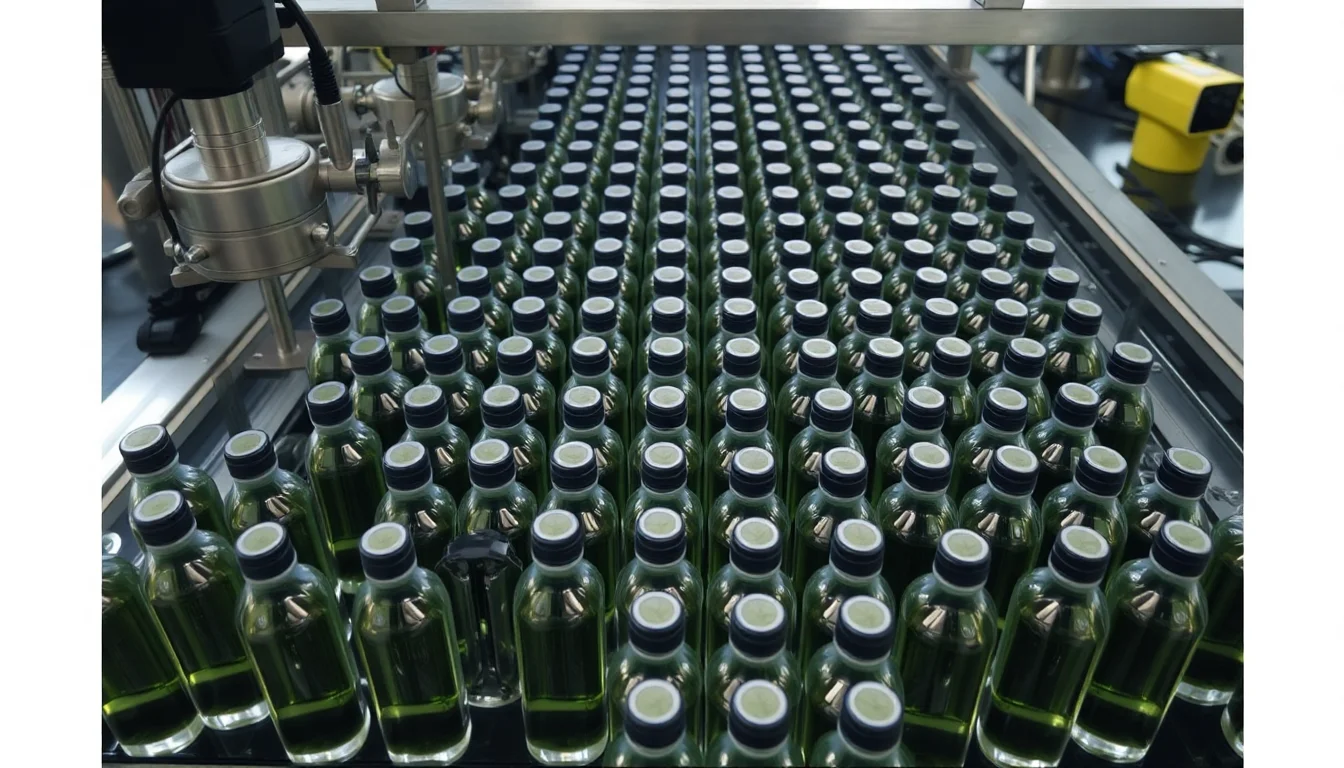
India application reference