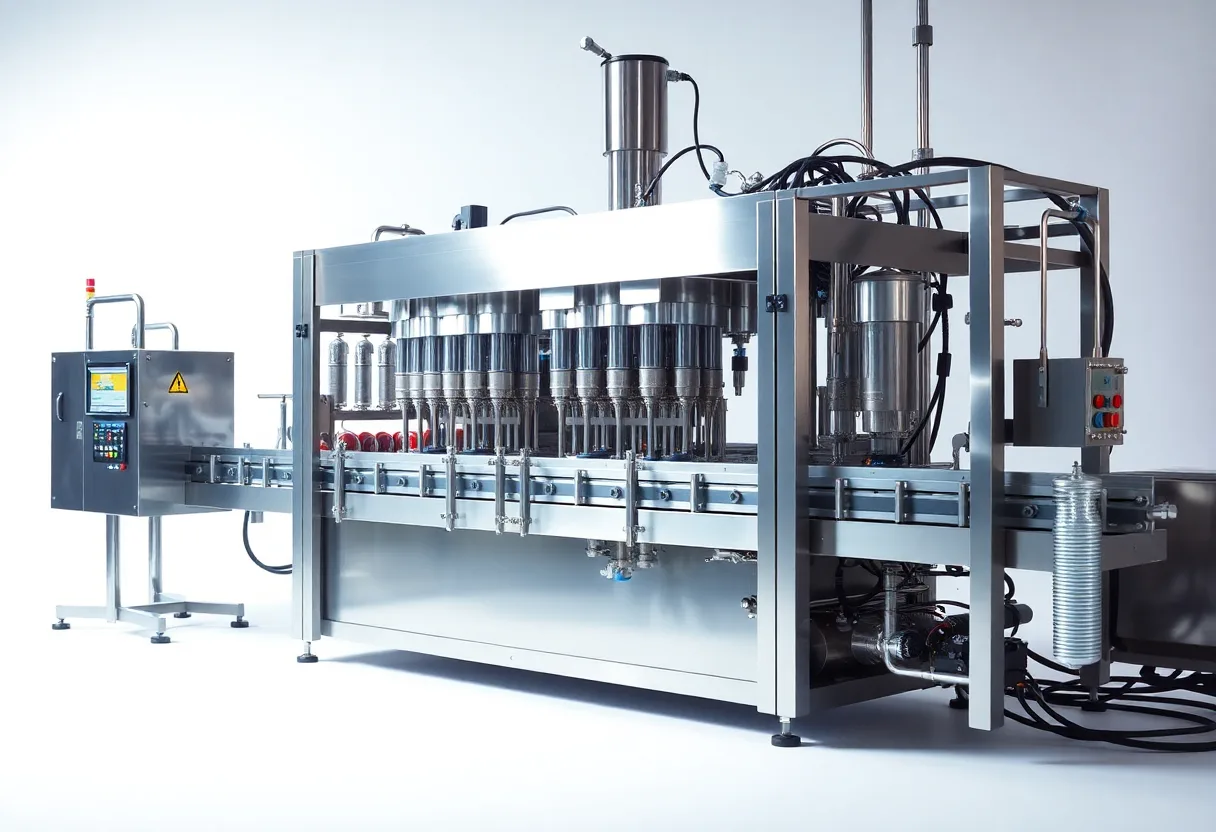
Aerosol & Pressurized Packaging
Aerosol Can Filling Machine
Aerosol can filling machine for paint, lubricant and household aerosol products. 20–80 cans/min. Under-the-cup gassing. 100ml–750ml. hazardous-area documentation reviewed by project. documentation reviewed.
Key Features
Paint Aerosol Filling: Solvent-Borne and Water-Borne
Aerosol paint products require special consideration for product filling: solvent-borne paints (alkyd, acrylic lacquer, cellulose) contain after application review solvent and are extremely flammable — the product itself is a Class I flammable liquid requiring ATEX documentation review protection during filling, in addition to the LPG propellant. Water-borne aerosol paints use water as the primary carrier and are significantly less flammable — only the LPG propellant contributes to the hazardous area classification. Our aerosol can filling machines handle both product types on the same line using a recipe-based system: the product supply system, nozzle material and grounding requirements are set per recipe to match the product formulation. Solvent paint production automatically enables all ATEX grounding interlocks and increases ventilation to 15 air changes per hour; water-based paint production uses relaxed ventilation settings.
Lubricant Aerosol Filling: WD-40 Style Products
Aerosol lubricants (penetrating oil, corrosion inhibitor, chain lube, PTFE dry lubricant) are typically formulated with a formulation-dependent petroleum distillate share or mineral oil carrier and a formulation-dependent LPG propellant share. The petroleum distillate carrier is a combustible liquid (flash point typically 60–100°C, Class IIIA) rather than a flammable liquid, which means the primary hazardous area contribution comes from the LPG propellant rather than the product. This distinguishes lubricant aerosols from paint aerosols and simplifies the ATEX classification for the product filling stage (though the gassing stage remains Zone 1/2 due to LPG). Fill accuracy for lubricant aerosols uses net-weight system: target product fill weight is verified to by RFQ before gassing begins.
Household Aerosol Filling for Consumer Products
Household aerosol products (air freshener, insect repellent, furniture polish, oven cleaner, shoe spray) represent the highest-volume segment of the aerosol market. Container sizes are typically 100–750ml with aluminum or steel cans, and production speeds of 30–80 cans/min are standard for mid-size manufacturers. Our household aerosol filling machines are optimized for high-mix production: fast recipe changeover (under 10 minutes for same-size can with different product), toolless nozzle exchange for different product viscosities, automatic container size detection via vision sensor (prevents misfire into wrong-size can), and integrated barcode verification to confirm the correct valve type has been placed before crimping. These features reduce quality failures and product mix-up errors that are particularly costly in multi-SKU household aerosol production.
Technical Specifications
Frequently Asked Questions
Which stations should be included in an aerosol filling and crimping line quotation?▼
A complete scope review normally considers product filling, valve placement, crimping, propellant or compressed-gas filling, leak testing, weight checking, coding and discharge handling. The exact sequence depends on whether the project uses conventional aerosol or bag-on-valve technology. The supplier should identify every included station, manual operation and excluded utility or safety item. A liquid filler alone is not a complete aerosol production line. The written quotation and layout should show the proposed process sequence and responsibility boundary.
What project information is required before selecting an aerosol filling machine?▼
Provide the product formulation or safe handling description, liquid dose, propellant type and dose, can dimensions and material, valve and actuator specifications, crimp dimensions, target output and required leak-test method. Also provide the site's electrical supply, compressed-air conditions, ventilation concept, hazardous-area classification and local compliance requirements. Send representative cans, valves and product samples for trials where permitted. The supplier should confirm the technology route, station sequence, tooling, test method, safety boundary and documentation scope before issuing the final technical offer.
How do I decide between conventional aerosol and bag-on-valve filling?▼
Decide the packaging route before selecting the filling line. Conventional aerosol places the product and propellant in the can system, while bag-on-valve keeps the product inside a bag attached to the valve and uses compressed gas outside the bag. The two routes require different components, filling sequences and tooling. Buyers should confirm the product's compatibility, barrier requirement, dispensing behavior, target pressure, can and valve supply, and local regulatory expectations with their packaging and formulation specialists. A quotation should not substitute one route for the other without written review.
How should a buyer verify an aerosol filling machine before purchase?▼
Ask for a station-by-station process description, general arrangement drawing, utility list, component schedule, sample-test plan and acceptance criteria. A reference video is useful only when it shows a process route comparable to the proposed line; it should not replace testing with the buyer's can, valve and product. The factory acceptance test should cover dosing, valve placement, crimp quality, propellant filling, leak detection, weight checks, alarms and safe shutdown within the agreed scope. Record any functions that will be completed only during site commissioning.
What factors have the greatest effect on aerosol line price and delivery scope?▼
The main factors are automation level, production speed, conventional or bag-on-valve technology, product and propellant dosing method, valve placement, crimping control, leak testing, checkweighing, coding, conveyors, safety design and documentation requirements. Can and valve change parts, product-contact materials, sample testing and site commissioning also affect the quotation. Buyers should compare offers by included stations, acceptance criteria and responsibility boundaries rather than only by headline machine price. Final delivery time should be confirmed after samples, technical scope and approval drawings are complete.
Solution References
Solution References
Aerosol filling solution references for this product.
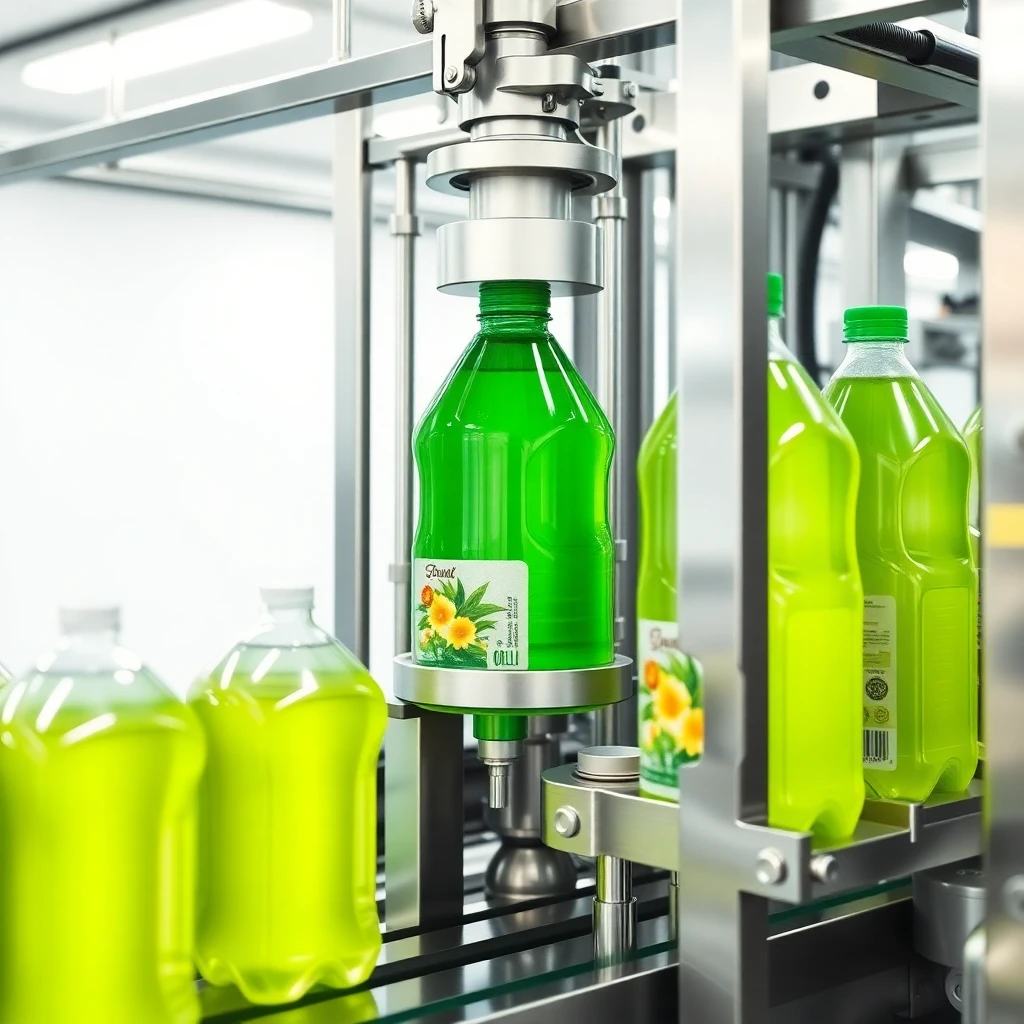
Germany application reference
Filling machine solution reference
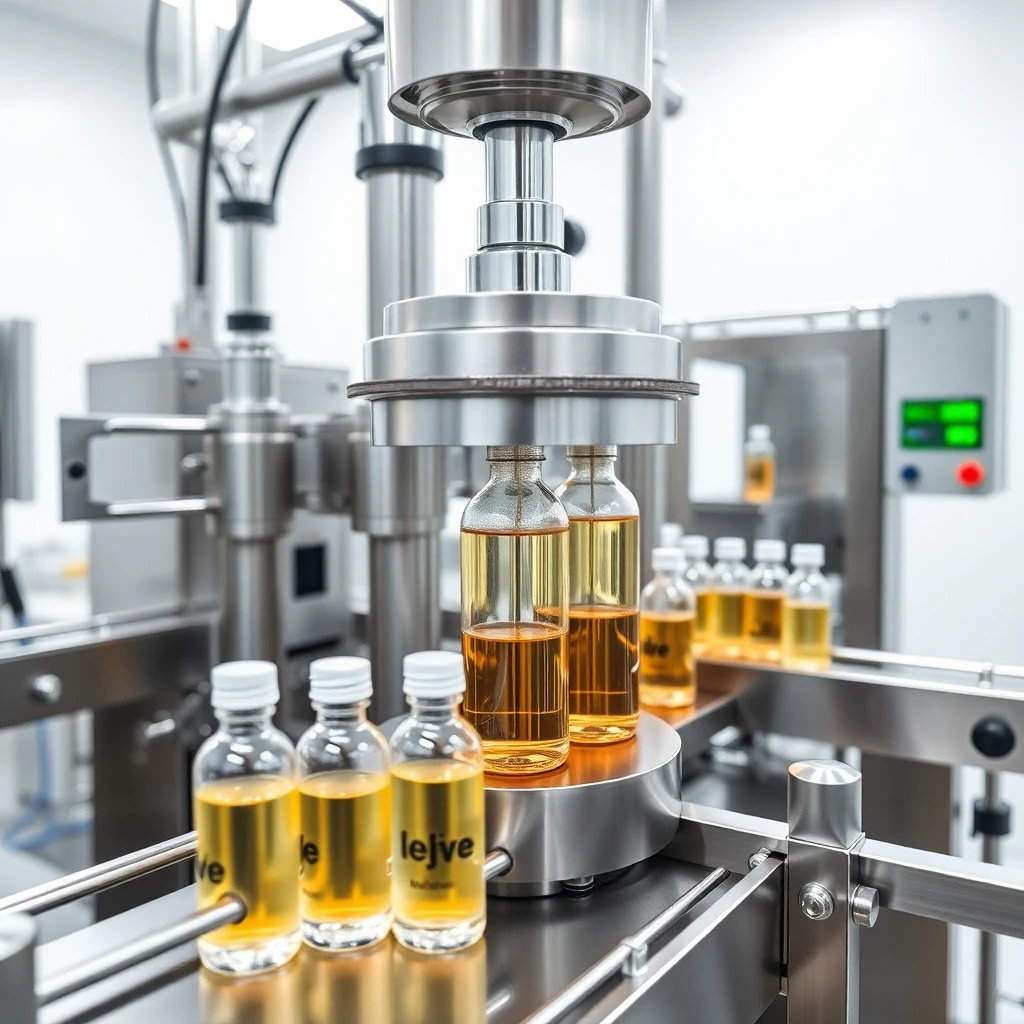
USA application reference
Filling machine solution reference
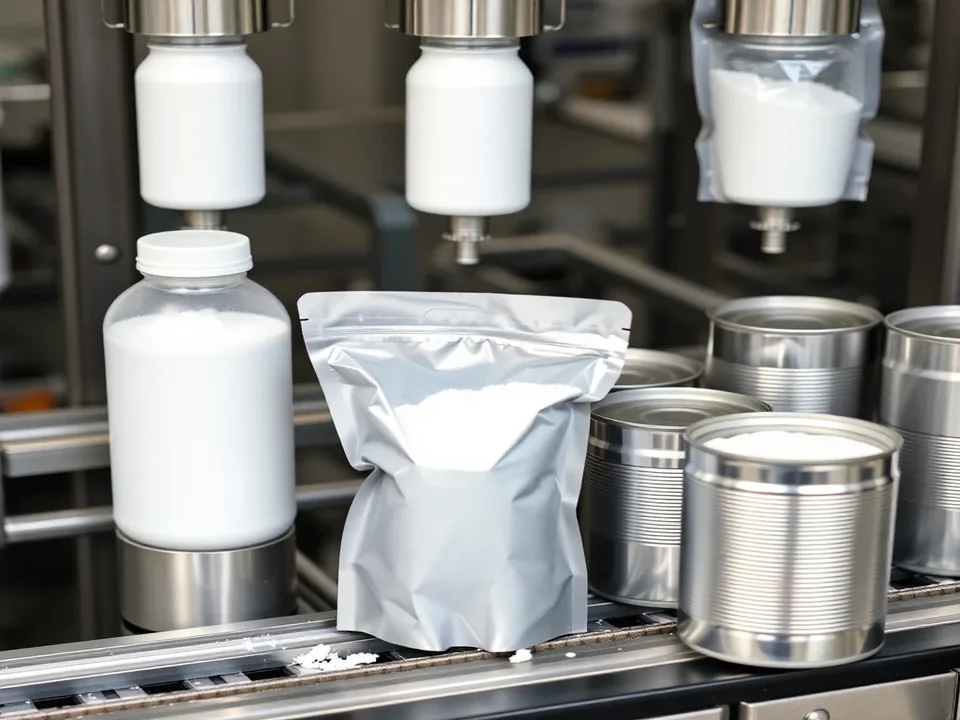
France application reference
Filling machine solution reference
Aerosol Can Filling Machine for Sale — Free Line Assessment
Tell us your product type, can size, target production speed and LPG requirements. We'll design the right aerosol can filling line after scope review. Product documentation and support scope are reviewed during quotation.
Request Configuration Review