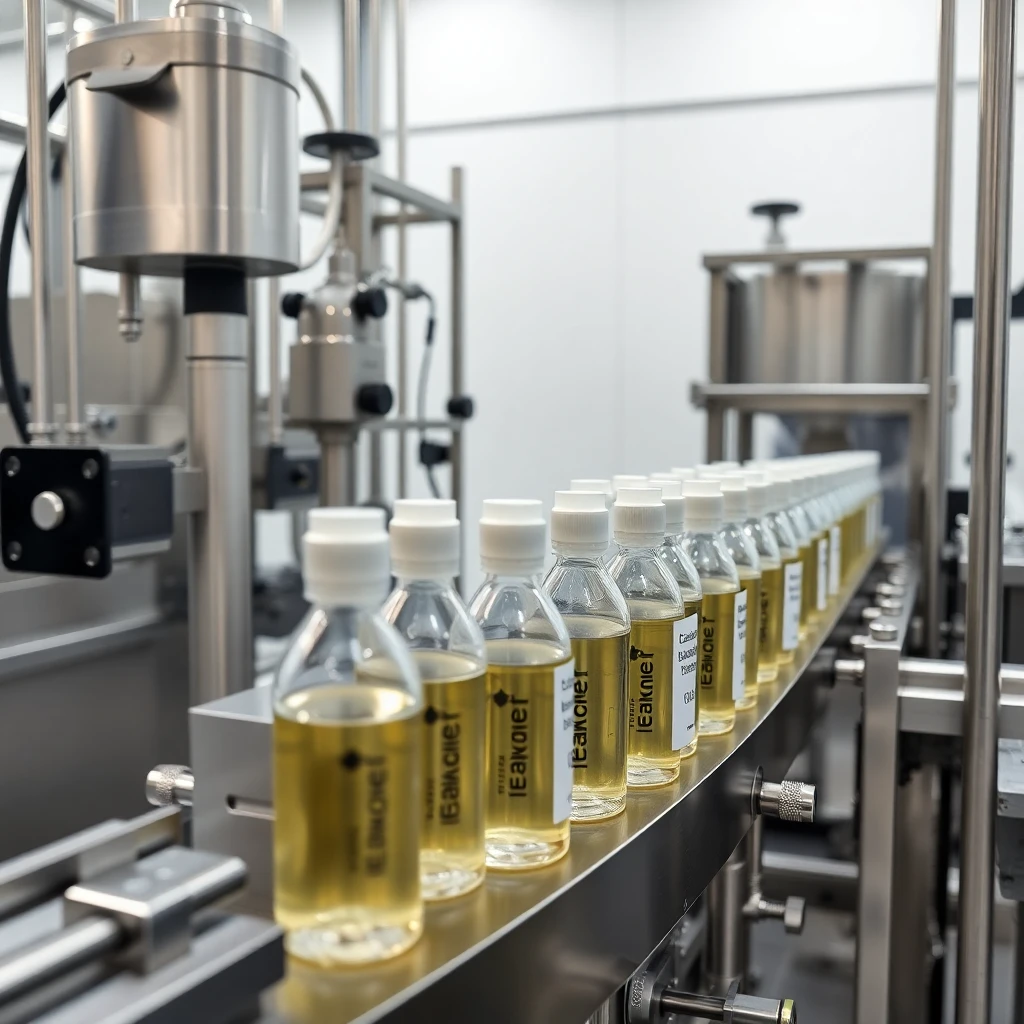
Aerosol & Pressurized Packaging
Aerosol Filling Machines
Aerosol filling equipment for personal care, paints, household products and industrial sprays. Propellant handling, can format, automation level, safety documentation and output targets are reviewed by product and site scope.
Aerosol Filling Machine Product Range
Select the right aerosol filling solution for your product type, can size, and propellant.
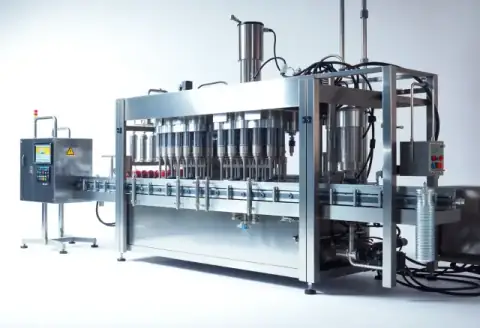
Aerosol Can Filling Machine
Semi-auto to fully automatic aerosol can filling for paints, lubricants & household products. Under-the-cup (UTC) gassing.
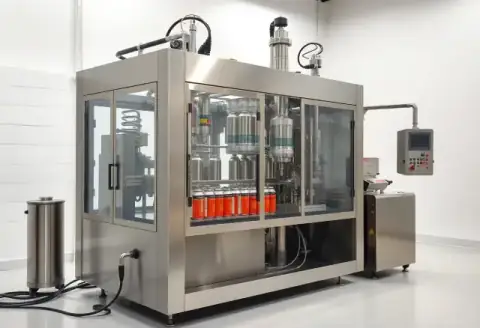
Aerosol Paint Filling Machine
Aerosol spray paint filling for alkyd, acrylic and enamel paints. Handles solvent-borne and water-borne formulations. ATEX documentation reviewed by project scope.
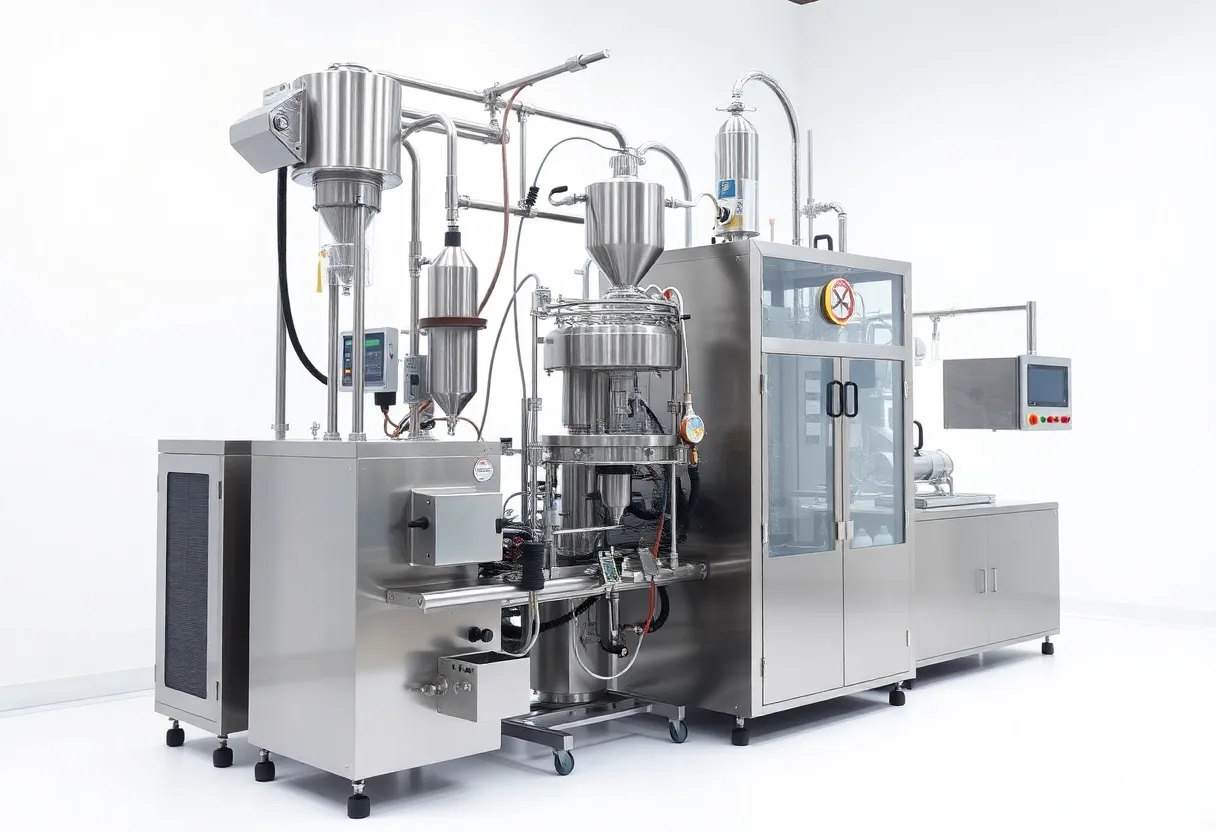
Bag-on-Valve Aerosol Filling Machine
BOV aerosol filling for skincare, pharma and food spray. Product fills inside an inner bag — completely separated from propellant. Compressed air or N₂.
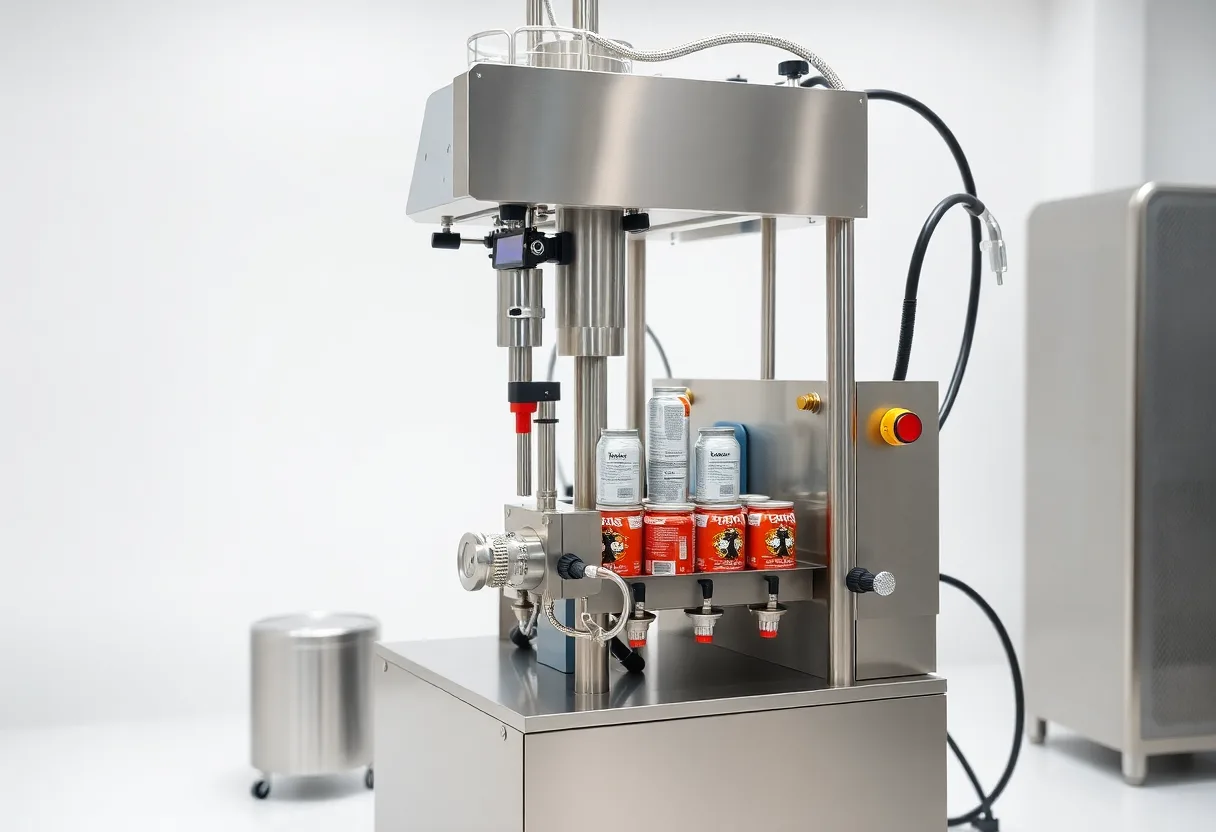
Semi-Automatic Aerosol Filling Machine
Operator-assisted aerosol can filling for small-to-mid production. Manual can loading, automatic product fill and gas charge. Ideal for multi-SKU lines.
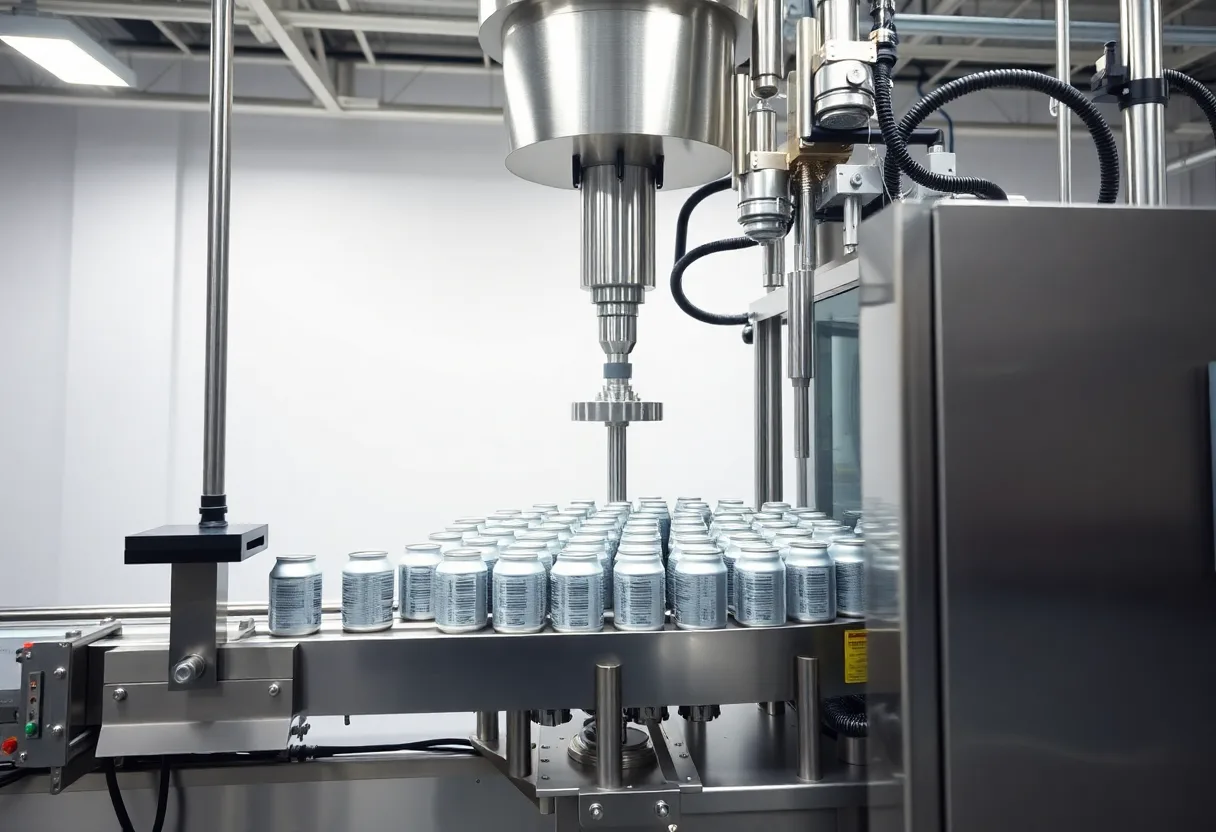
Automatic Aerosol Filling Machine
Fully automatic aerosol can filling line for high-volume production. Automatic can infeed, product fill, valve placement, crimping and gas charging.
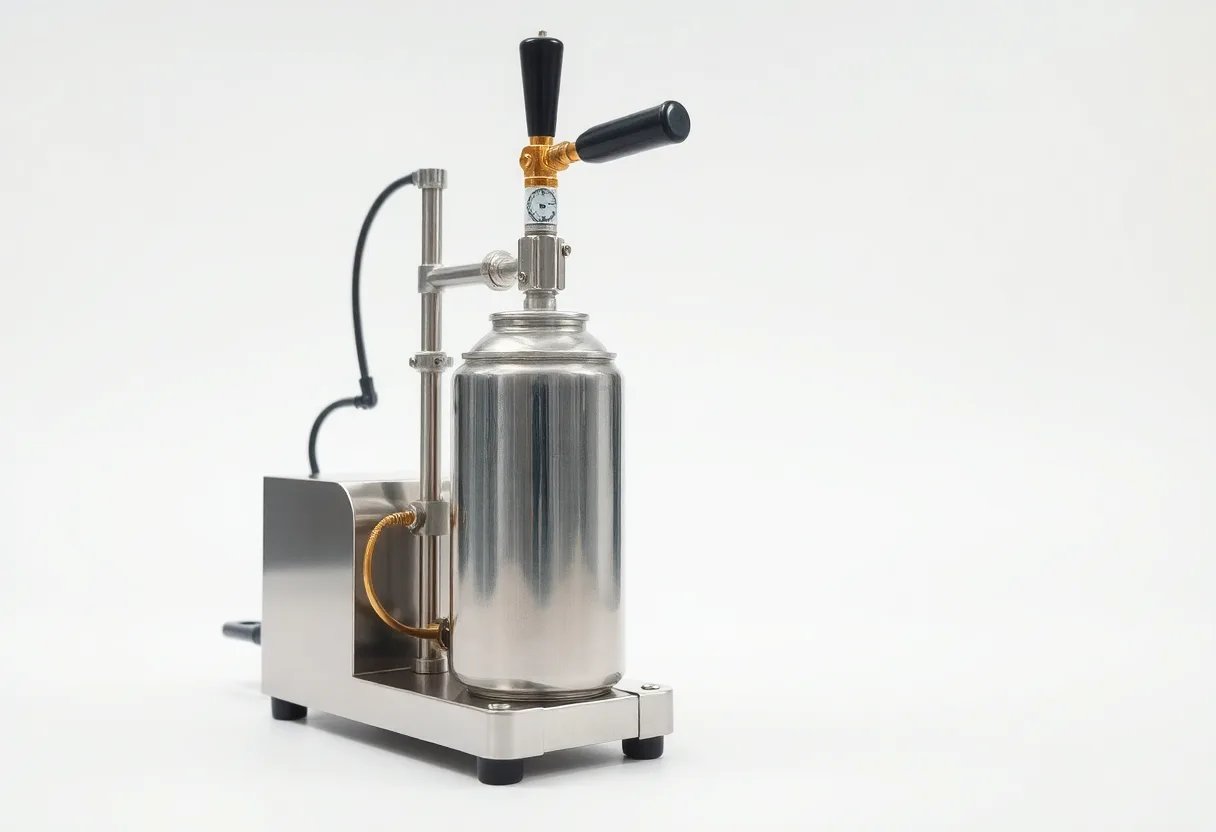
Manual Aerosol Filling Machine
Hand-operated aerosol filling for laboratory, R&D and small-batch production. Fills both product and propellant manually using calibrated pressure control.
Aerosol Filling Machine Comparison
Compare filling methods and specifications for your aerosol product type and production volume.
| Machine Type | Can Size | Speed | Accuracy | Propellant | Investment |
|---|---|---|---|---|---|
| Semi-Auto Aerosol Filler | 50–500 ml | 20–40 cpm | By RFQ | LPG / CO₂ | Quoted by scope |
| Rotary Aerosol Line | 100–1,000 ml | 60–120 cpm | By RFQ | LPG / CO₂ / DME | Quoted by scope |
| High-Speed Aerosol Line | 100–750 ml | 120–200 cpm | By RFQ | LPG / CO₂ / N₂O / DME | Quoted by scope |
| Bag-on-Valve Filler | 50–500 ml | 20–60 cpm | By RFQ | Compressed air / N₂ | Quoted by scope |
* Prices are indicative. Final quotation depends on can size, propellant type and automation level.
Why Aerosol Producers Choose HEMU Filling Lines
Hazardous-Area Documentation Review
Aerosol line documentation is reviewed by propellant, product concentrate, site classification, destination market and final technical agreement.
Propellant Scope Review
Propellant handling is reviewed for LPG blends, CO₂, DME, N₂O, nitrogen or compressed air according to the product and process boundary.
Throughput Scope Review
Semi-automatic, rotary and high-speed layouts are reviewed by target output, can size, propellant method and available floor space.
Fill Tolerance Review
Propellant charging and liquid filling tolerance are reviewed by product behavior, can format, dosing method and acceptance standard.
Changeover Planning
Format-parts, tooling and changeover workflow are reviewed when a project needs multiple can sizes or SKUs.
Service Scope Review
Commissioning, remote guidance and spare-parts expectations are confirmed by destination, equipment complexity and service agreement.
Industries Served by Aerosol Filling Machines
Personal Care & Cosmetics
Deodorant, hairspray, sunscreen spray, dry shampoo, shaving foam — the largest aerosol segment globally.
Household & Air Care
Insecticides, air fresheners, furniture polish, fabric refreshers — high-volume, round-the-clock production.
Industrial & Automotive
Lubricants, rust preventives, brake cleaner, paint touch-up — demanding ATEX documentation review lines with DME/LPG.
Pharmaceutical & Medical
Asthma inhalers (pMDI), topical sprays, wound care — BOV and sterile-fill technology with GMP documentation.
Frequently Asked Questions
Common questions about aerosol filling line selection, propellants and ATEX compliance.
What is an aerosol filling machine and how does it work?+-
What propellants can your aerosol filling machines handle?+-
What is the difference between under-cup gassing and through-valve gassing?+-
What aerosol can sizes do your filling machines support?+-
Do your aerosol filling lines require ATEX documentation?+-
Explore Related Equipment
Ready to Build Your Aerosol Filling Line?
Share your product type, propellant, can sizes and required output. We review the aerosol filling scope after product, propellant, can size and output details are submitted.
Get Free Line Assessment — RFQ scope reviewed