Tin Can Packaging Production
Edible Oil Tin Filling Machine
Edible oil tin can filling machine planning with double-seam sealing, net-weight filling, round or rectangular can handling, and integrated fill-and-seam line options.
Key Features
Double-Seam Sealing for Airtight Oil Storage
Tin can edible oil filling lines use a double-seam seamer to crimp the lid onto the can body with two interlocking folds — the same sealing method used in food canning for over 100 years. The double seam creates an hermetic seal that: prevents oxygen ingress (critical for edible oil oxidation prevention), withstands the pressure differential created by temperature changes during distribution, and provides tamper-evidence. For edible oils with a 12–24 month shelf life requirement, tin can packaging with double-seam sealing significantly outperforms plastic containers in barrier performance. The seaming head automatically adjusts to can diameter — no changeover tooling needed for round-can size changes within range.
Preferred Format for Africa and Middle East Bulk Oil Markets
1L–5L rectangular tin cans are the dominant retail packaging format for cooking oil in Nigeria, Egypt, Sudan, Iraq, and Yemen. The rectangular tin format is preferred over plastic bottles in these markets for several practical reasons: superior heat resistance during storage in high-temperature climates (40°C+), higher perceived quality for cooking oil that is often resold or gifted, compatibility with informal retail distribution (tins stack more stably), and the ability to recycle the tin for household use after the oil is consumed. For 20L bulk tins used in foodservice and institutional catering, the tin can format is preferred for its durability in transport and ease of pourability.
Integrated Filling and Seaming in One Line
HEMU edible oil tin filling lines integrate the filling and seaming operations in a single synchronized production line: (1) empty cans are fed from a depalletizer or magazine feeder onto the infeed conveyor; (2) the net-weight filling station dispenses the correct oil volume using a load-cell controlled fill valve; (3) the lid placement station places the pre-cut lid on top of the filled can; (4) the double-seam seamer crimps the lid with two passes (first seam, second seam); (5) the sealed cans exit to coding and case packing. The integrated line eliminates manual handling between filling and seaming, reducing contamination risk and improving throughput consistency.
Technical Specifications
Frequently Asked Questions
What tin can sizes does the machine handle?
HEMU edible oil tin filling machines are designed for cans from 1L to 20L. Common configurations: (1) 1L–5L round tin cans (standard retail cooking oil format in Middle East and African markets); (2) 4L–10L rectangular tin cans (common format for cooking oil in North Africa and the Levant); (3) 16L–20L large rectangular tin cans (bulk catering and foodservice format). The machine adjusts to different can diameters and heights via guide rail adjustment and fill head height adjustment. Changeover between different can sizes in the same diameter family takes 20–40 minutes. Changeover between significantly different can sizes (e.g., 1L round to 18L rectangular) requires a full format change taking approximately 2 hours.
How does the double-seam sealer work?
Double-seam seaming uses two sequential seaming operations on the same rotary seaming head. In the first seam operation, a seaming chuck holds the can body while the first seaming roll hooks and curls the lid edge under the can flange, creating a five-layer interlocked fold. In the second seam operation, a different (flatter) seaming roll presses and flattens the fold, compressing the five layers into a tight hermetic seal. The entire double-seam operation takes 0.3–0.8 seconds per can at production speed. Can end sealant (sealing compound applied to the inside of the lid curl) supports the gas-tight seal even with minor imperfections in the can or lid dimensions.
What affects the budget for an edible oil tin filling line?
Budget depends on can size range, output target, filling head count, feeding method, lid placement, seaming system, coding, case packing, palletizing, and upstream or downstream integration. A simple fill-and-seam line and a fully integrated production line have very different scopes, so HEMU should quote after reviewing the can drawings, oil type, hourly output, automation level, and factory layout.
What is the shelf life advantage of tin can packaging versus plastic for edible oil?
The key advantage of tin cans for edible oil is oxygen barrier performance. Tin plate (steel + tin coating) has an oxygen transmission rate (OTR) of essentially zero — metal does not allow oxygen to pass through. By contrast, PET bottles (OTR approximately 0.05–0.3 cc/100in²/day) and HDPE bottles (OTR approximately 0.5–2.0 cc/100in²/day) allow some oxygen permeation over time. For edible oils with a high proportion of polyunsaturated fatty acids (sunflower oil, corn oil, soybean oil), oxygen exposure causes oxidative rancidity — producing off-flavors (hexanal, 2-nonenal) that reduce product quality within 6–12 months in plastic containers but 18–24+ months in tin. For olive oil and premium cooking oils exported to markets with long distribution chains, tin packaging is often specified for its shelf life advantage.
Related Machines
Solution References
Solution References
Edible oil filling solution references for this product.
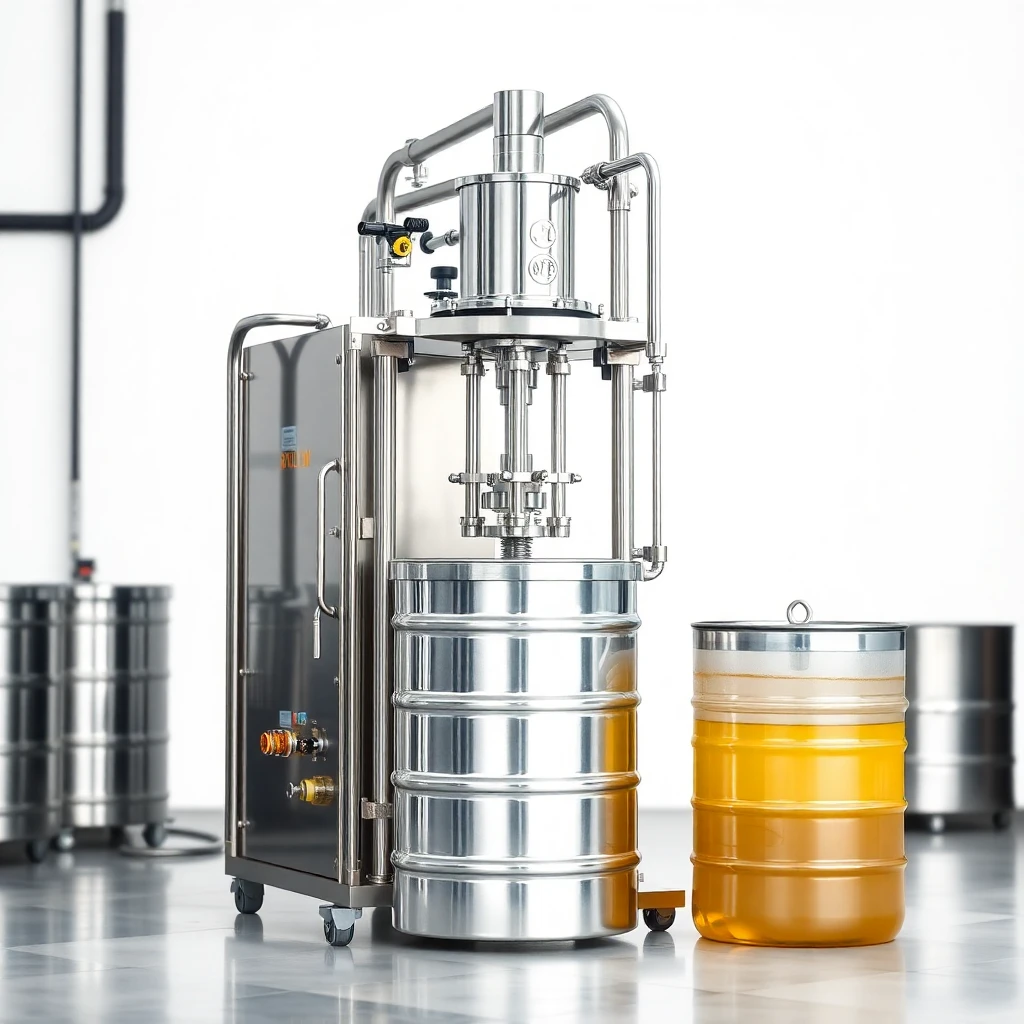
Ghana application reference
Filling machine solution reference
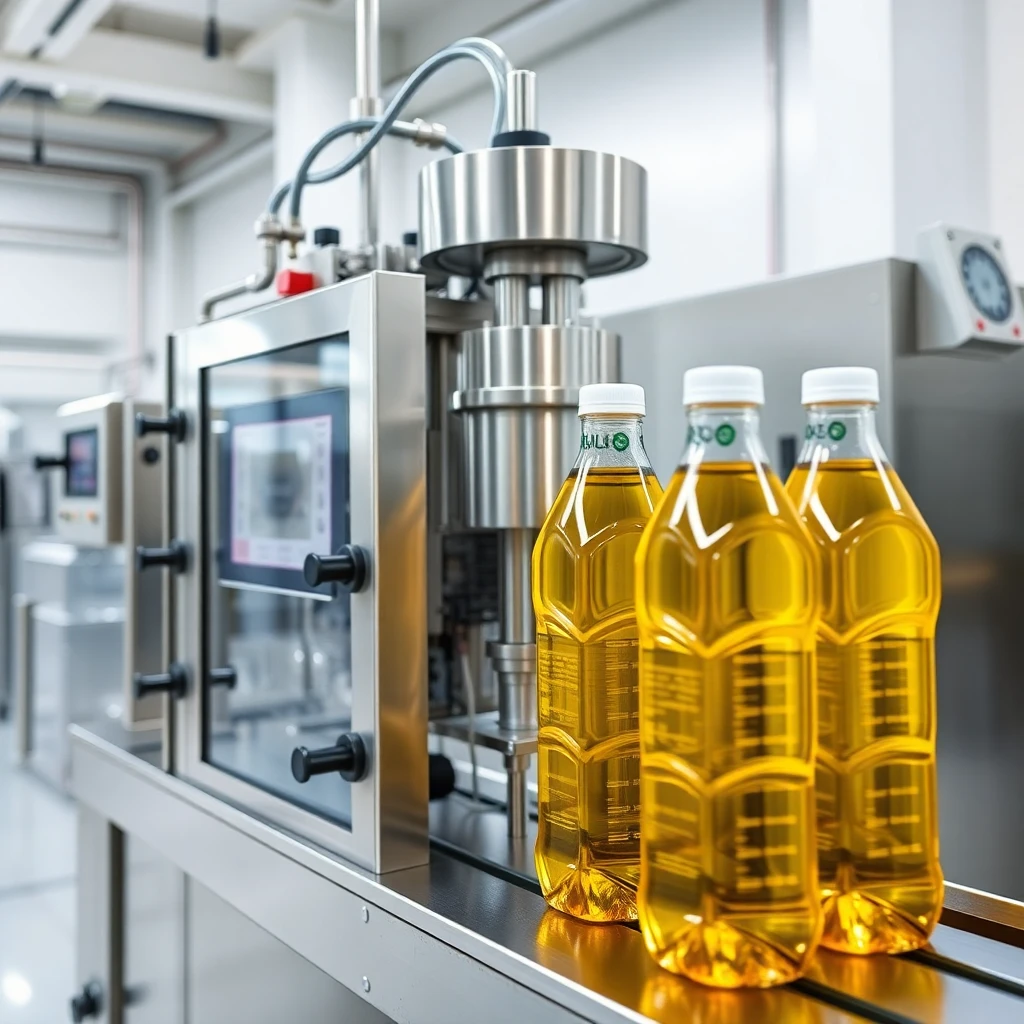
Saudi Arabia application reference
Filling machine solution reference
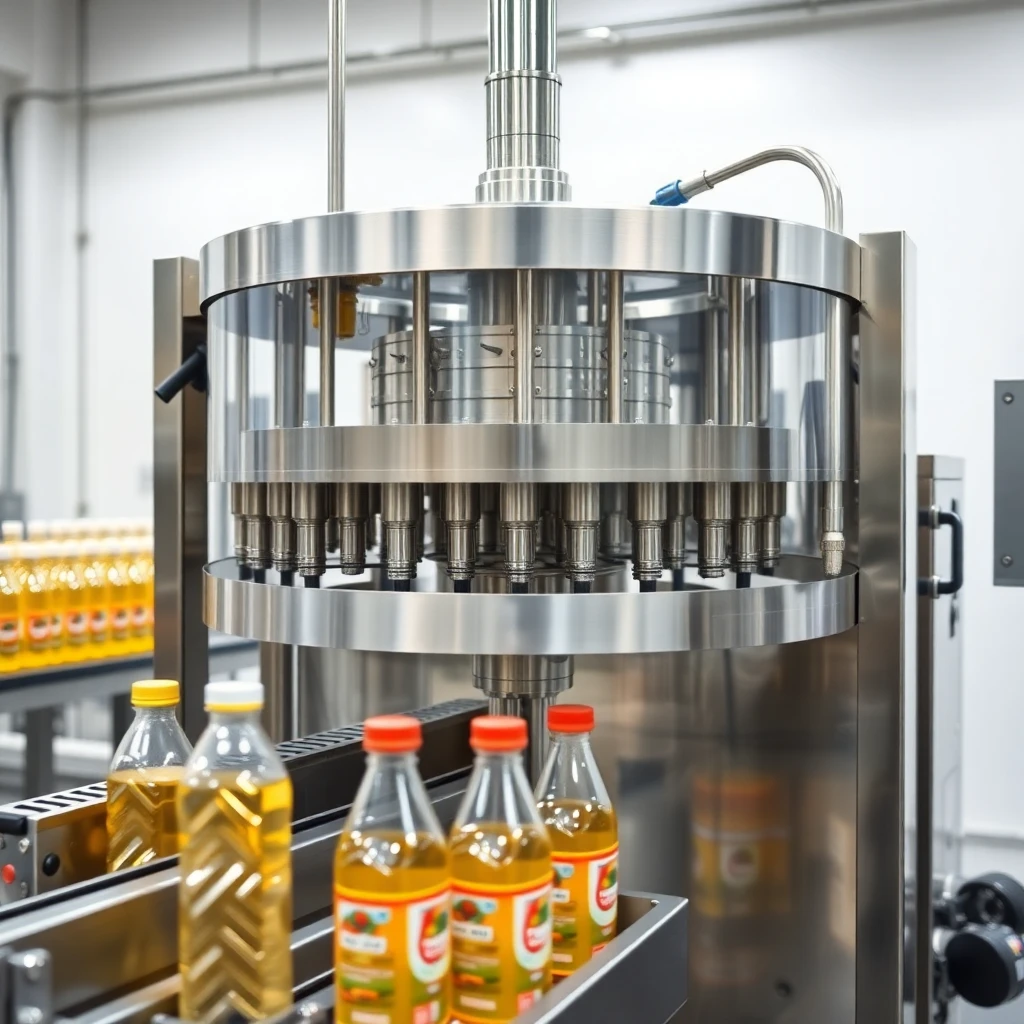
Pakistan application reference
Filling machine solution reference
Get a Tin Line Assessment
Tell us your can sizes, oil type, required output and target markets. We will recommend a tin filling and seaming configuration for review.