Food & Beverage Production
Vegetable Oil Filling Machine
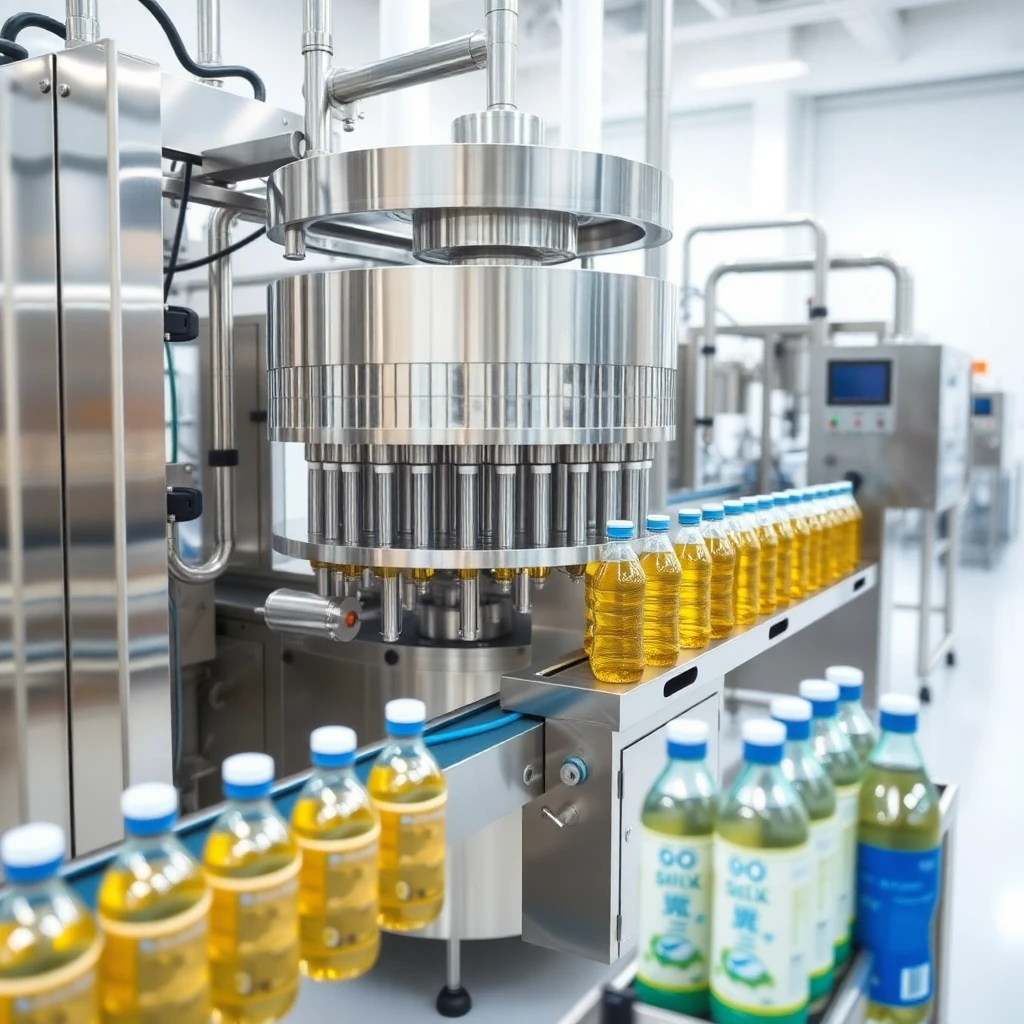
Vegetable oil filling machine planning for sunflower oil, soybean oil, corn oil and blended oils. Compare flow meter and net-weight configurations for PET or glass bottles, anti-foam filling, and multi-SKU changeover.
Key Features
High-Speed Net-Weight Filling for Multiple Oil Grades
Vegetable oil filling lines must handle multiple oil grades — soybean, sunflower, corn, canola and blended oils — each with slightly different density. Net-weight filling automatically compensates for density differences between oil types, ensuring accurate fill weight regardless of which oil blend is running. Our high-speed rotary filling tables with 8–24 simultaneous fill heads achieve 3,000–8,000 bottles/hour for 1L PET bottles while maintaining by RFQ fill weight accuracy across all oil varieties.
Anti-Foam System for Clear Oil Presentation
Vegetable oils form foam during high-speed filling due to turbulence and air incorporation. Foam in the final container is unacceptable for premium oil retail products — it reduces the apparent fill level, creates unsightly visible bubbles, and can indicate oxidation to consumers. Our anti-foam filling system uses bottom-up filling nozzles (nozzle tip submerged during fill), low-turbulence laminar flow fill heads, and defoaming settling tanks in the supply hopper to support a clear, bubble-free fill surface in every container.
Rapid SKU Changeover for Multi-Brand Production
Vegetable oil producers typically operate multiple brands and pack sizes on the same line — 500ml retail, 1L retail, 2L family, 5L catering. Servo-driven guide width adjustment and stored recipe changeover enable switching between SKUs in under 10 minutes without tools. Product changeover between oil types (e.g., sunflower to soybean) requires only a short flush cycle (typically 3–5 minutes with product oil) to clear the previous grade, eliminating the need for dedicated lines per oil type.
Technical Specifications
Frequently Asked Questions
What vegetable oils can this filling machine handle?▼
Our vegetable oil filling machines handle all common edible vegetable oils: sunflower oil (high-oleic and standard), soybean oil, corn oil, canola/rapeseed oil (refined), vegetable oil blends (any ratio), cottonseed oil, rice bran oil, sesame oil (light). For olive oil (especially extra-virgin), we recommend our dedicated olive oil bottling machine with nitrogen flushing capability. For palm oil, which semi-solidifies below 25°C, the heated palm oil filling system is required. All other common vegetable oils remain liquid at ambient temperature and are handled by standard vegetable oil lines.
What is the difference between flow meter and net-weight vegetable oil filling?▼
Flow meter filling measures volume flow through a Coriolis or electromagnetic flow meter and fills to a set volume. It is faster and well-suited for consistent-density single-origin oils where density does not vary significantly batch-to-batch. Net-weight filling weighs each container during the fill cycle and stops when the target weight is reached. It is often preferred for blended oils where blend ratio affects density and for markets with strict net-weight labeling requirements. The final accuracy target should be confirmed after oil density, temperature range, bottle format, and acceptance method are reviewed.
How is the vegetable oil filling line cleaned between production runs?▼
Vegetable oil lines use a simplified flush-based cleaning protocol (not full CIP with water and detergent, which would contaminate oil lines with water residues). Between oil types of the same grade family (e.g., switching between two soybean oil brands), a product flush of 20–50L of the incoming product through all lines clears residual previous product. For switching between oil categories (sunflower to palm oil) or after maintenance shutdowns, a food-grade flushing oil (light mineral oil or a dedicated oil-line flush product) is circulated to remove residues before introducing the new product. Full water-based CIP is only used for annual deep cleaning or before extended shutdowns.
What regulatory documentation reviews are required for vegetable oil filling equipment?▼
The required documentation depends on the target export market, production site, and buyer acceptance process. EU projects typically require machinery safety and EMC documentation; food production projects usually require product-contact material records and hygiene documentation; the United States may require food-contact material traceability; Russia and CIS projects may require local conformity files. HEMU should confirm the required document set during RFQ review instead of assuming one universal certificate package for every line.
Solution References
Solution References
Edible oil filling solution references for this product.
USA application reference
Filling machine solution reference
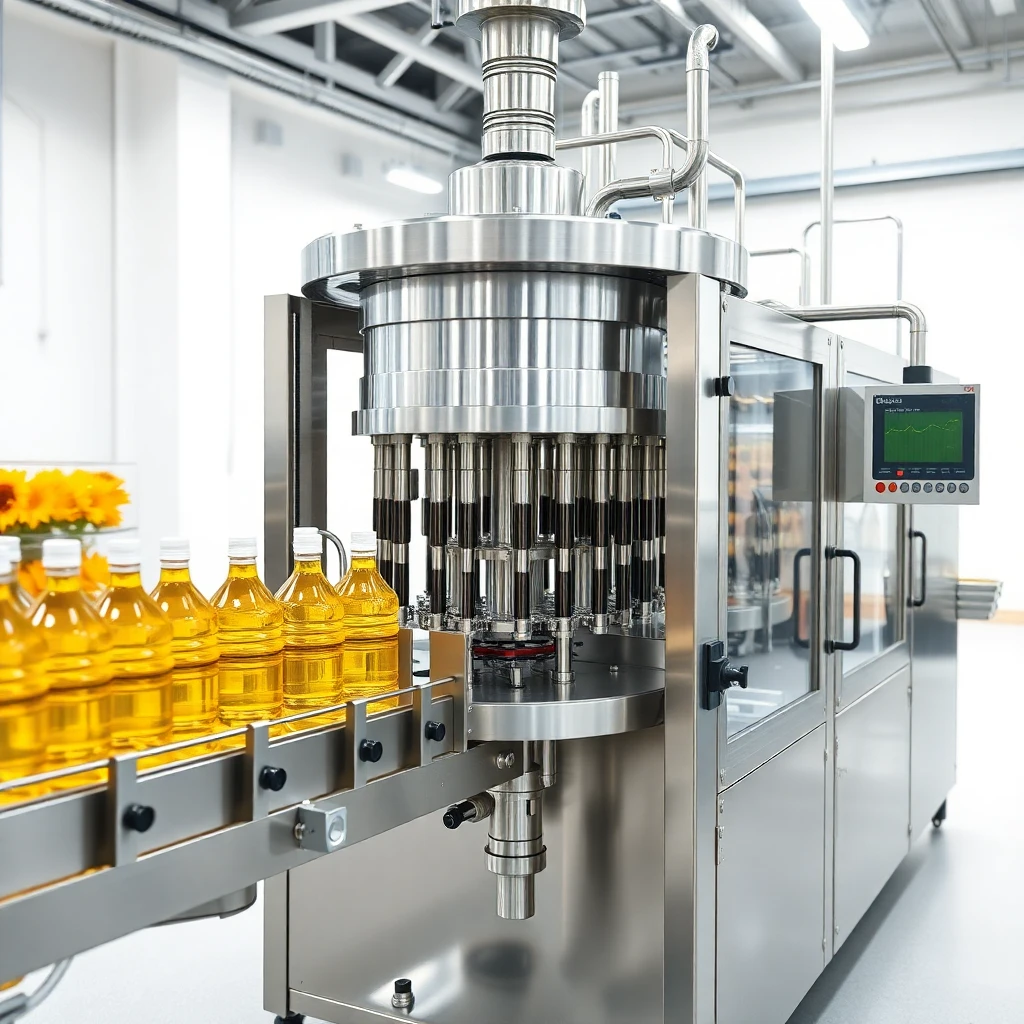
Argentina application reference
Filling machine solution reference
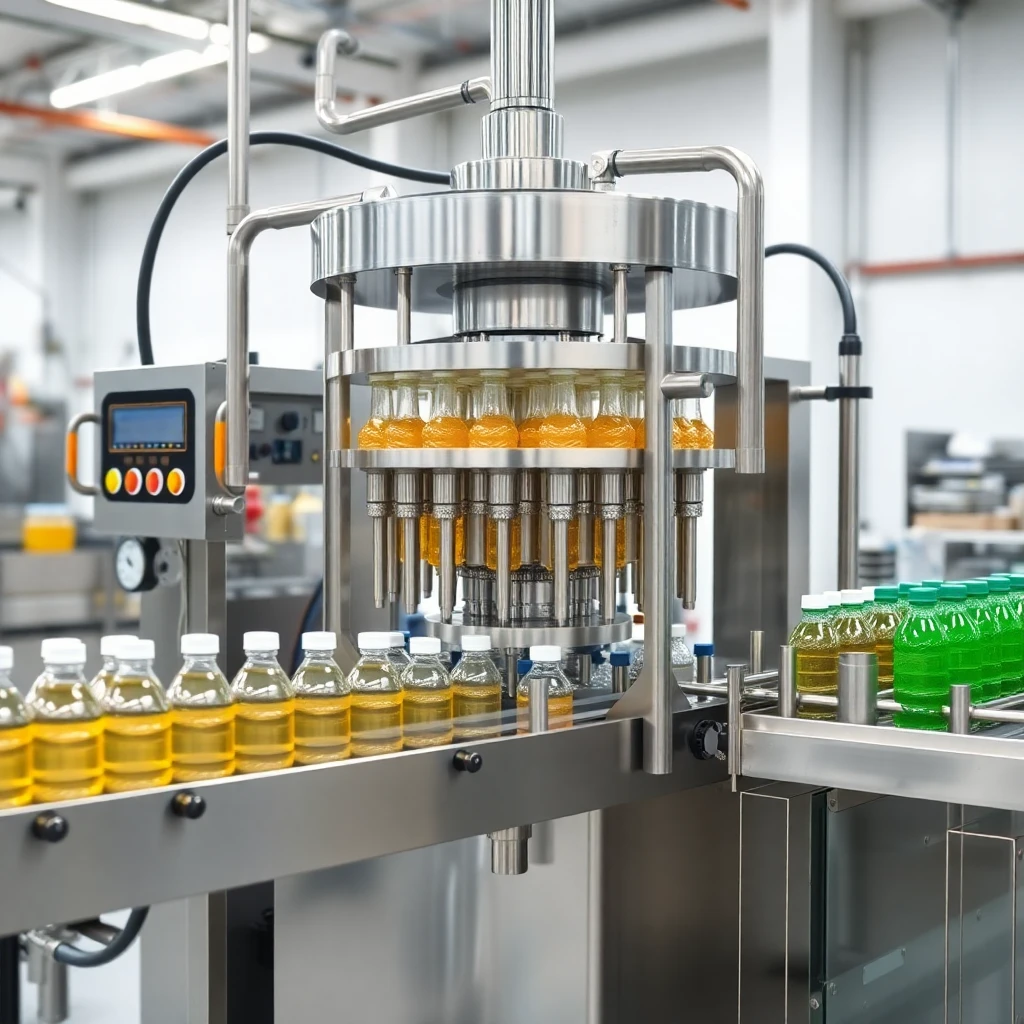
Mexico application reference
Filling machine solution reference
Get a Line Assessment
Tell us your oil types, bottle formats, target production volume and site layout. We will recommend a vegetable oil filling configuration for review.
Request Assessment