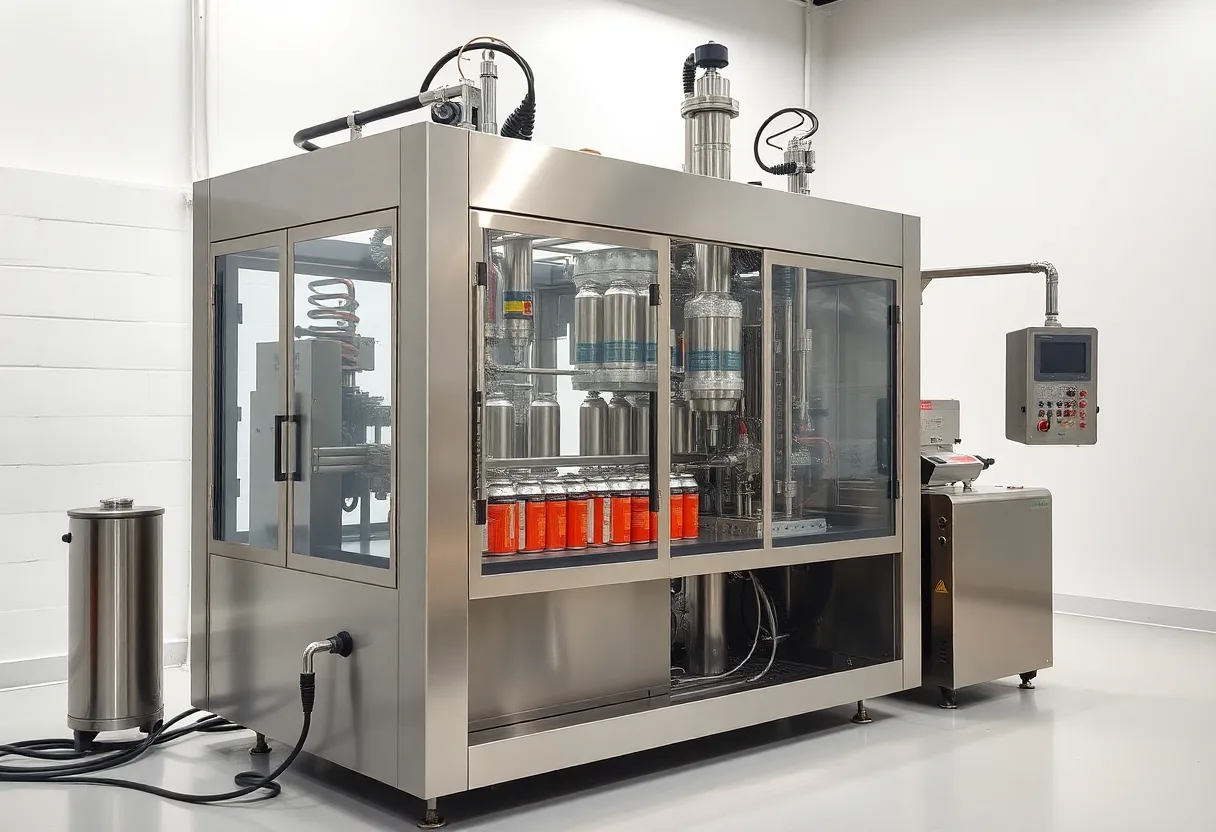
Aerosol & Pressurized Packaging
Aerosol Paint Filling Machine
Aerosol paint filling machine for alkyd, acrylic, enamel and lacquer spray paint cans. 30–120 cans/min. ATEX documentation reviewed by project scope. Solvent-borne & water-borne paint. documentation reviewed.
Key Features
Solvent-Borne vs Water-Borne Aerosol Paint: Different Safety Requirements
Aerosol spray paint formulations fall into two major families with distinct ATEX implications. Solvent-borne aerosol paints (alkyd, cellulose lacquer, acrylic solvent) use petroleum distillate, ethyl acetate or acetone as the primary carrier — these are Class I flammable liquids (flash point below 38°C) and must be treated as a separate flammable hazard during product filling, independent of the LPG propellant. The product filling zone for solvent-borne paint is classified ATEX documentation review due to the product itself. Water-borne aerosol paints use water-based latex emulsions and are not flammable; only the LPG propellant zone requires ATEX protection. Our aerosol paint filling machine uses a recipe-managed system: solvent product recipes automatically activate all flammable liquid interlocks, increase ventilation to 15 ACH, and require personnel to wear conductive footwear — water-based recipes use standard aerosol production settings. This dual-capability design eliminates the need for separate production lines for solvent and water-based paint SKUs.
Paint Viscosity Management in Aerosol Filling
Aerosol spray paints span a wide viscosity range: architectural aerosol primers (2,000–5,000 mPa·s), metallic effect paints (500–1,500 mPa·s), and clear lacquers (100–400 mPa·s). Viscosity management is critical for fill accuracy — high-viscosity products generate higher pressure drops through the fill nozzle, requiring larger nozzle bore diameter and slower fill speed to maintain tolerance by RFQ. Our aerosol paint filling machines include a temperature-controlled product supply system (jacket-heated at 30–45°C for high-viscosity products), variable-speed product pump with pressure feedback, and automatic nozzle selection based on viscosity recipe parameters. The product supply loop operates under recirculation during standby periods to prevent paint settling. For metallic and pearl-effect paints containing aluminum flakes or mica particles, a low-shear centrifugal pump prevents particle damage during circulation.
ATEX documentation review Safety Systems for Aerosol Paint Production
Aerosol paint filling rooms should be reviewed against hazardous-area requirements for the propellant zone and, when solvent-borne paints are filled, for the product filling zone as well. Key safety systems include: explosion-proof motors and control panels rated Ex d IIB T4; continuous LEL monitoring in the filling zone with stop thresholds defined by the site safety plan; static grounding for all product-contact stainless steel components (resistance <1Ω to earth); earthing monitoring — the machine monitors continuity of all earth bonding connections and will not start if any bond is open-circuit; hazardous-area documentation reviewed by project control system (IP66, Ex ec IIC) with main HMI cabinet located outside the Zone 2 boundary. ATEX zone review, FAT scope and any third-party documentation should be specified during RFQ review.
Technical Specifications
Frequently Asked Questions
What types of aerosol paint can this machine fill?▼
Our aerosol paint filling machines handle all common aerosol spray paint formulations: (1) alkyd enamel spray paint — the most common hardware store aerosol paint, solvent-borne, high gloss, typically 300ml cans with LPG propellant; (2) cellulose lacquer spray paint — used for automotive touch-up and wood furniture, fast-drying, high solvent content; (3) water-borne acrylic aerosol paint — latex-based, non-flammable product, used in architectural and craft paint; (4) metallic effect paint — contains aluminum flake or mica particle pigment, requires low-shear product handling; (5) heat-resistant spray paint — silicone-modified alkyd formulations for BBQ, exhaust and industrial high-temperature applications; (6) rubberized undercoat — high-viscosity, solvent-borne anti-corrosion coating for automotive underbody. Standard single-use spray paint cans (150ml, 200ml, 300ml, 400ml, 500ml) are filled at 30–120 cans/min depending on automation level.
Why is aerosol paint filling more complex than filling other aerosol products?▼
Aerosol paint filling is more complex for three reasons: (1) Dual flammable hazard — solvent-borne aerosol paints contain highly flammable solvents (flash point below 23°C) in addition to LPG propellant, requiring ATEX protection at both the product fill station and the gas charge station; most other aerosols have non-flammable product with only flammable propellant. (2) High viscosity — spray paints have viscosities 10–100× higher than hairsprays or deodorants, requiring heated product supply systems and precision nozzle engineering for consistent fill weights. (3) Solids content — metallic, pearl-effect and primer formulations contain suspended solids (pigment, fillers, metallic flake) that settle during production stops, requiring recirculation systems and careful nozzle geometry to prevent blockage.
Does an aerosol spray paint filling machine need ATEX documentation?▼
Yes — machines handling flammable propellants (LPG) or flammable product concentrates (solvent-borne paints) must are reviewed against the ATEX Directive (2014/34/EU in the EU). ATEX zone classification: (1) LPG gassing station — Zone 1 inside the gassing head, Zone 2 in the surrounding area; all electrical components must be rated ATEX Group IIB (LPG); (2) Solvent product fill station — Zone 2 due to solvent vapors from the paint product; components must be rated for the specific flammable solvent (typically Group IIA for acetone/toluene, Group IIB for ethyl ether); (3) Can transport areas outside fill/gas zones — typically Zone 2 as a precaution during flammable propellant filling. For water-borne paint production only, the product fill station does not require ATEX classification.
What is the minimum production volume for aerosol paint filling?▼
Aerosol spray paint filling is economically viable from approximately 5,000 cans/month on a semi-automatic machine. Below this volume, co-manufacturing at a specialist aerosol CMO is typically more cost-effective. For own-equipment, the minimum economical scale for a semi-automatic aerosol paint filling machine is 10,000–30,000 cans/month. A fully automatic aerosol paint filling line becomes economical above approximately 100,000–200,000 cans/month, where automation labor savings justify the higher capital investment (scope-based quotation for a complete automatic line versus scope-based quotation for a semi-automatic setup). Our team can provide a cost-per-can analysis for your specific volume and product mix.
Solution References
Solution References
Aerosol filling solution references for this product.
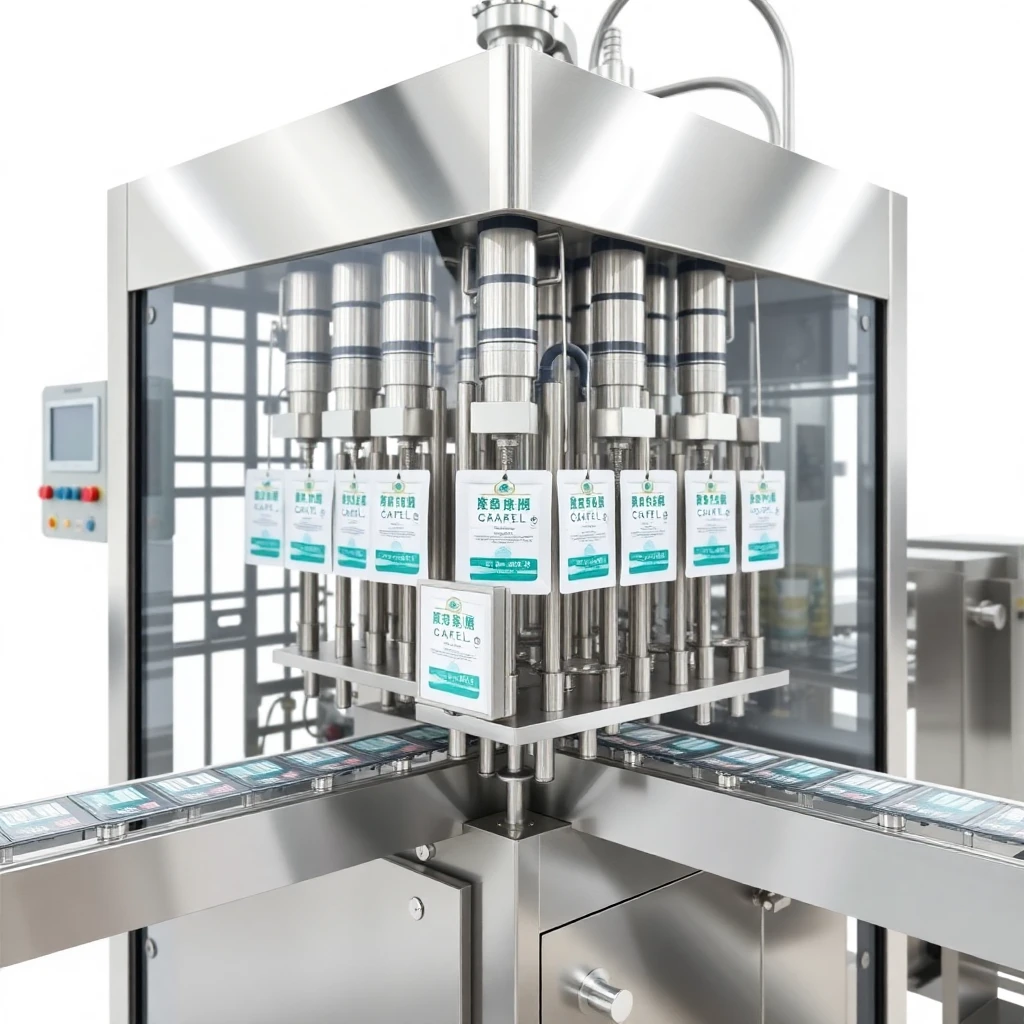
USA application reference
Filling machine solution reference
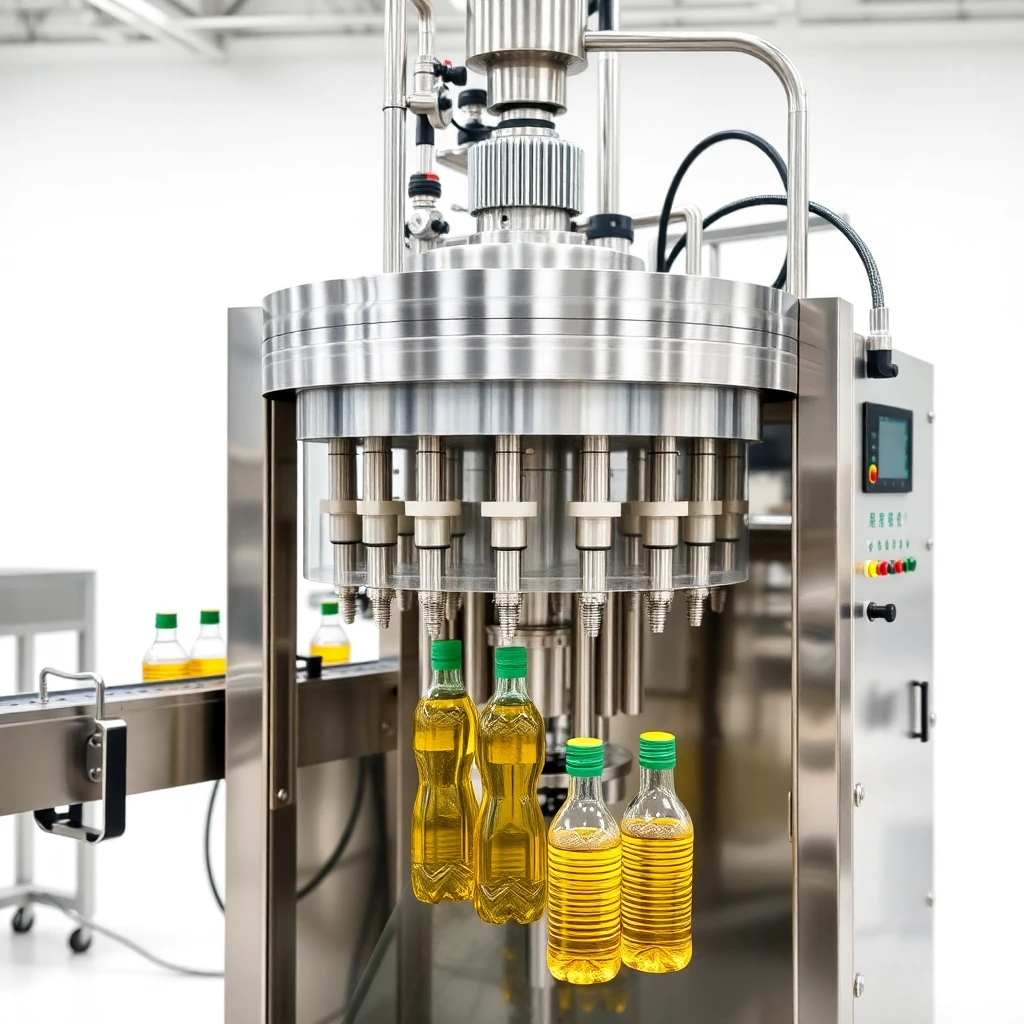
UK application reference
Filling machine solution reference
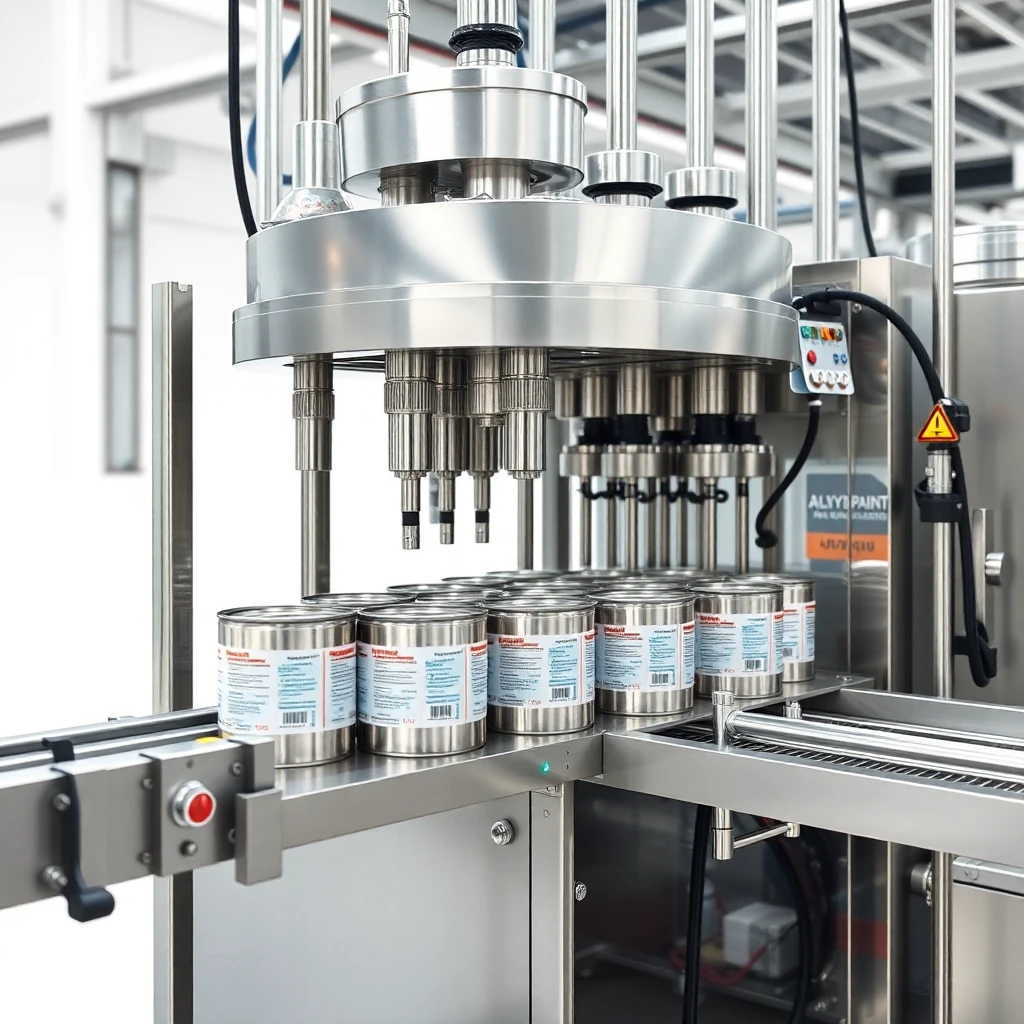
China application reference
Filling machine solution reference
Aerosol Paint Filling Machine for Sale — Free Line Assessment
Tell us your paint type (solvent/water-borne), can size, target speed and propellant. We'll design the right aerosol spray paint filling line after scope review. CE and ATEX documentation reviewed by project scope machines available for immediate quotation.
Request Configuration Review