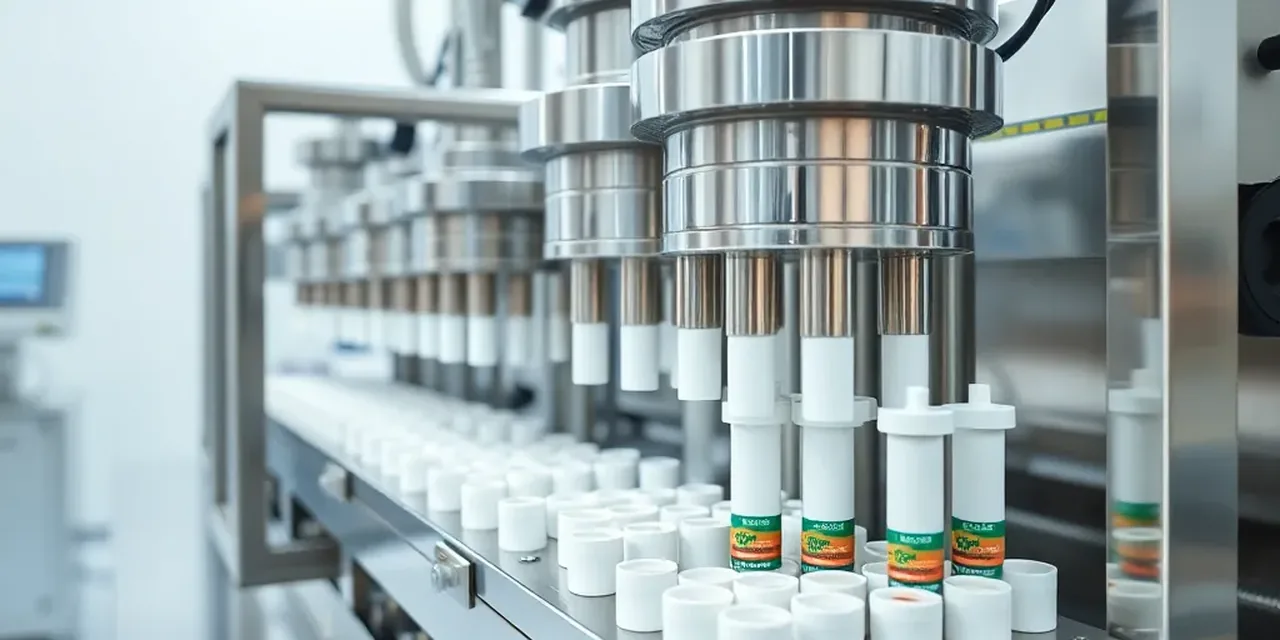
Tube Changeover
Tube Filling and Sealing Machine Changeover Guide
A tube-packaging guide for cosmetic cream, ointment, toothpaste, gel and grease tube projects.
Short Answer
Tube filling and sealing changeover depends on tube diameter, tube length, material, sealing method, fill volume and coding requirement. A useful RFQ should list every tube format expected in production.
What this buyer search usually means
This search usually comes from buyers filling plastic, laminate or aluminum tubes. The buyer needs to know whether one tube filler can support multiple tube formats without painful daily setup.
- Use this guide when the project is about tube filling and sealing machine rather than a generic filling machine request.
- Confirm the product, container, closure and output target before comparing machine price.
- Route uncertain projects to engineering review instead of forcing a fixed model too early.
Configuration points to compare
Review tube magazine, mandrels, orientation, filling pump, tail sealing, trimming, coding and reject handling. Plastic tube heat sealing and metal tube folding are different configurations and should not be treated as one simple change.
- Dosing method and filling head count should follow the product behavior and target speed.
- Container handling, cap or closure method and conveyor layout often change the real scope.
- Cleaning, changeover, documentation and spare-part needs should be included in the early RFQ.
Useful parameter range for first review
HEMUfill RFQ planning can review tube filling ranges such as 8 ml to 250 ml, tube diameter around 10 to 50 mm, tube length around 50 to 200 mm, and 20 to 30 tubes per minute on referenced formats.
- Use ranges for early planning; final values depend on the chosen model and technical agreement.
- If a parameter is uncertain, ask HEMUfill to confirm it during quotation instead of publishing it as a fixed promise.
Common mistake to avoid
The common mistake is assuming all tubes are interchangeable. Tube diameter, tail material and seal type can change the tooling set and changeover time.
- Do not judge only from the machine name; the same keyword can hide different containers and automation levels.
- Do not compare quotations until the included scope is clear: filling only, complete line, spare parts, documents and commissioning support.
Selection Points
RFQ Checklist
| 1 | Tube material: plastic, laminate, aluminum or mixed. |
| 2 | Tube diameter, length, fill volume and cap type. |
| 3 | Product viscosity and whether heating or mixing is needed. |
| 4 | Sealing method: heat sealing, ultrasonic, folding or other process. |
| 5 | SKU count, changeover frequency, coding requirement and target output. |
Common Buyer Questions
Can one tube filler handle plastic and aluminum tubes?
Some systems can support both with proper tooling and sealing modules, but the scope must be confirmed. Plastic heat sealing and aluminum folding are not the same process.
What determines tube changeover time?
Tube diameter, tube length, mandrels, filling volume, sealing method, coding position and operator training all affect changeover.
Should I buy spare tube tooling?
If multiple tube sizes are planned, spare tooling should be discussed during quotation so production does not wait for later parts.
Related Products
Related Guides
Need a clearer filling machine quotation?
Send the product name, container details, output target and required modules. HEMUfill will route the inquiry to the right filling machine configuration.
Send RFQ Details