What is a tube filling and sealing machine?▼
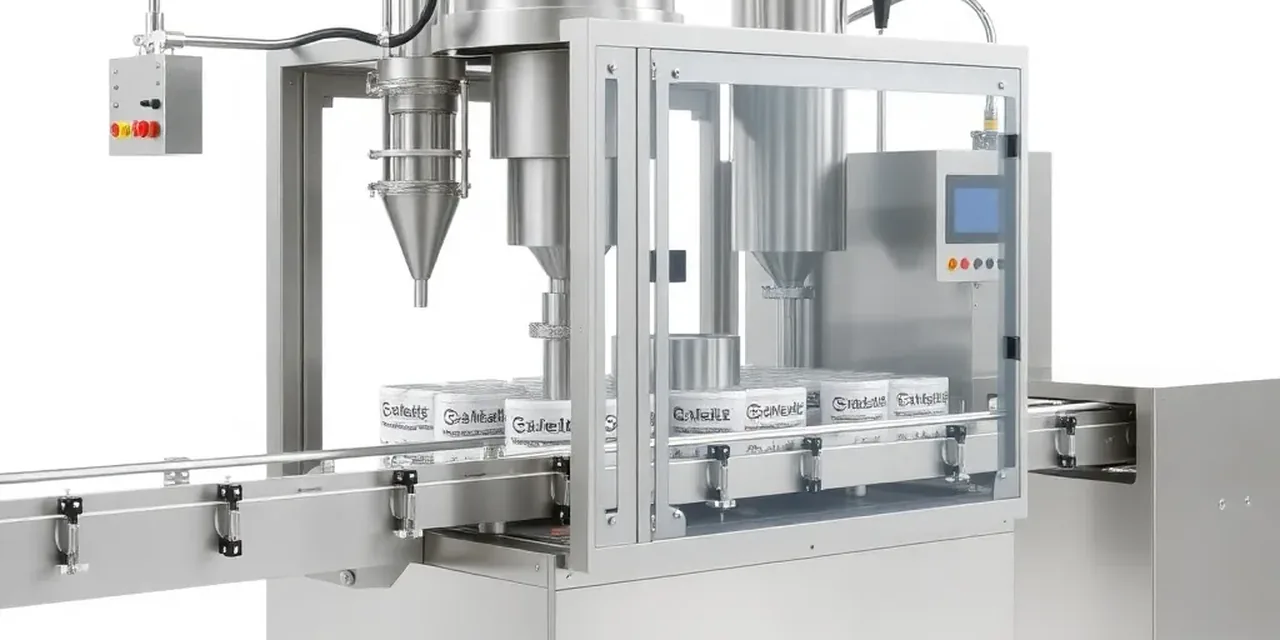
A tube filling and sealing machine is an integrated production machine that performs both the filling and the tail-sealing of flexible tubes in a single automated process. Empty tubes enter at the feed station and exit as filled and sealed finished tubes. The machine combines: (1) Tube loading and orientation — orienting the tube for correct brand presentation. (2) Product filling — dispensing the measured volume of cream, gel, paste or ointment into the tube through the open tail end. (3) Tail sealing — permanently sealing the open tube tail by fold-crimp (aluminum) or heat-seal/ultrasonic (plastic and laminate). (4) Date coding — printing batch number and expiry on the sealed tail. The fill-and-seal integration eliminates the need for separate filling and sealing machines, reducing floor space, investment and operator count. HEMUfill tube filling and sealing machines are available in linear and rotary configurations for speeds from 20 to 200+ tubes/min.
What are the different tube sealing methods?▼
Tube sealing methods depend on tube material: (1) Fold-crimp seal (aluminum tubes): the open aluminum tail is folded flat and crimped using a hardened crimp wheel to create a mechanical seal. Single-fold crimp: the tail is folded once. Double-fold crimp: the tail is folded twice for a more secure and attractive presentation. No heat required. This is the standard sealing method for pharmaceutical, cosmetic and adhesive aluminum tubes. (2) Hot-jaw heat-seal (plastic and laminate tubes): the open tube tail is flattened and two heated metal jaws (temperature 120°C–200°C) press together and fuse the plastic material under heat and pressure. Cooling jaws follow immediately to set the seal. Suitable for PE, PP, HDPE, PBL and ABL tubes. (3) Ultrasonic seal (plastic and laminate tubes): instead of external heat, high-frequency (20–40kHz) ultrasonic vibration generates heat precisely at the material interface. Faster cycle time, cleaner seal edge, no heated tooling. Higher machine cost. Suitable for PE, ABL and PBL tubes.
What seal strength do tube filling and sealing machines produce?▼
Seal strength requirements vary by tube application: cosmetic tubes (face cream, body lotion): peel strength 20–60 N/15mm width; tubes must survive shipping drops without seal failure. Toothpaste and food paste tubes: peel strength 40–80 N/15mm; tubes are squeezed repeatedly in consumer use so seal must remain intact. Pharmaceutical tubes: seal strength is part of the reviewed product specification; typically 30–80 N/15mm; leak test (vacuum or pressure) and visual inspection inline or sampled. Industrial adhesive tubes: seal strength 60–120 N/15mm; product pressure and thermal cycling must not compromise the seal. HEMUfill tube filling and sealing machines are designed and reviewed for the target seal strength. Sealing parameters (temperature, pressure, dwell time, crimp depth) are stored in PLC recipes per product code. Machines can be equipped with inline seal integrity testers (vision or pneumatic).
Can one tube filling and sealing machine handle both aluminum and plastic tubes?▼
Generally, no — not on the same seal station. Aluminum tubes require fold-crimp sealing (mechanical, no heat), while plastic and laminate tubes require heat or ultrasonic sealing. These are fundamentally different seal mechanisms using different tooling. However: (1) Some manufacturers offer machines with switchable seal stations — the crimp wheel station can be replaced with a heat-seal station — but this requires mechanical changeover (1–3 hours). (2) If a production facility runs both aluminum and plastic tubes, it is normally more cost-effective to have two separate machines: one dedicated aluminum fold-crimp tube filler and one plastic/laminate heat-seal tube filler. (3) The filling system (piston pump) is the same for both tube types, so only the seal station differs. HEMUfill engineers will advise on the best configuration for your product mix.
How are tube filling and sealing machines integrated with downstream equipment?▼
A tube filling and sealing machine typically integrates with the following downstream equipment: (1) Date coder: the machine exits to an inline inkjet or laser coder that prints batch code and expiry date on the sealed tube tail. Some machines have the coder integrated at the seal station. (2) Vision inspection: a camera system inspects seal integrity, print quality and tube orientation before tubes proceed to packing. (3) Checkweigher: tubes pass over a checkweigher that rejects underweight or overweight tubes. Integration via conveyor and rejection mechanism. (4) Tube cartoner: tubes are fed directly into a cartoner that inserts tubes into folding cartons with a package insert. Integration via synchronised conveyor or pick-and-place. (5) Labeller (optional): some tube formats (unlabelled plastic tubes) pass through a wraparound or sleeve labeller. (6) End-of-line packing: tubes are collected and packed into trays or cases for shipping. Complete tube filling and sealing lines are designed by HEMUfill as turnkey projects.
What is the investment for a tube filling and sealing machine?▼
Tube filling and sealing machine investment depends on tube type, speed and automation level: semi-automatic tube filling and sealing machine (foot pedal, 10–30 tubes/min): scope-based quotation. Automatic single-head tube filling and sealing machine (20–50 tubes/min): scope-based quotation. Automatic 2-head tube filling and sealing machine (40–100 tubes/min): scope-based quotation. High-speed rotary tube filling and sealing machine (80–200 tubes/min): scope-based quotation. GMP pharmaceutical-grade tube filling and sealing machine with validation: scope-based quotation. Complete tube filling line (filler, coder, checkweigher, cartoner): scope-based quotation. Contact us with tube type, diameter, fill volume, product viscosity and target daily output for a tailored quotation.