Aerosol & Pressurized Packaging
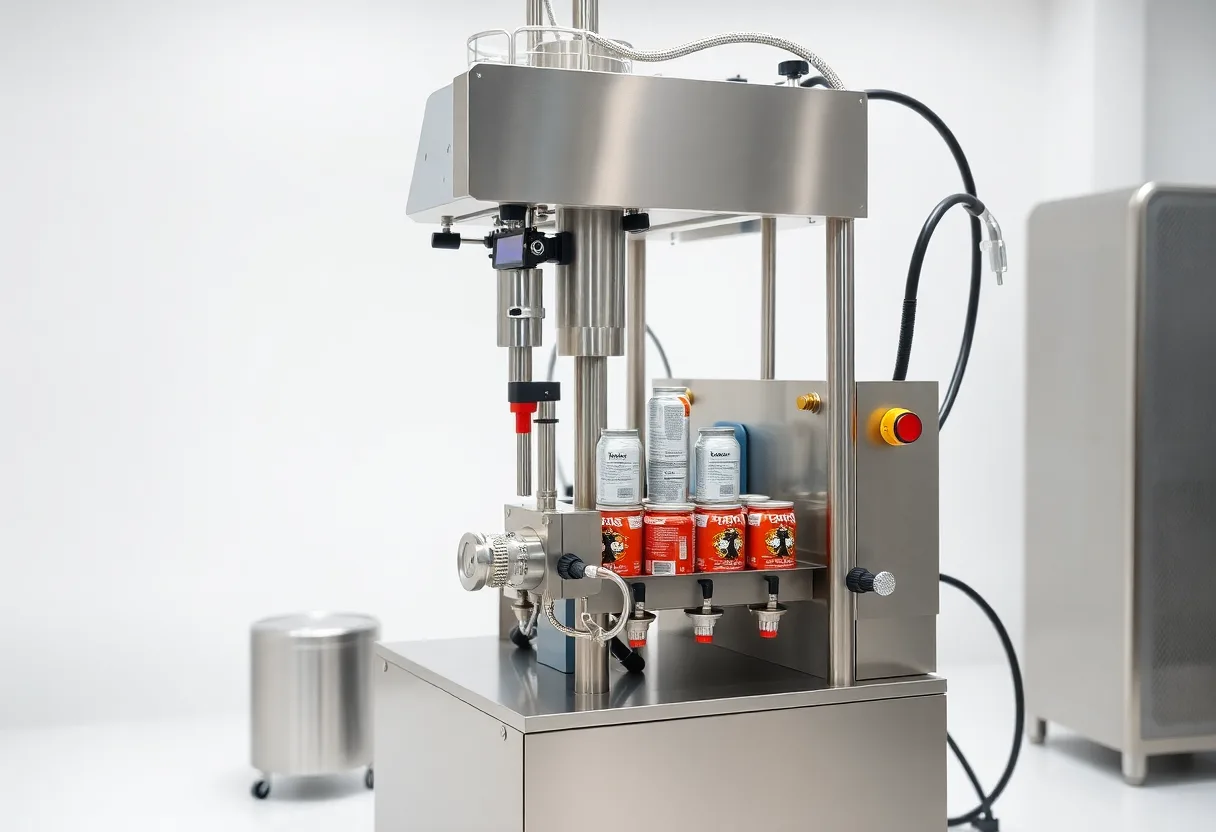
Semi-Automatic Aerosol Filling Machine
Semi-automatic aerosol filling machine for small-to-mid batch production. Manual can loading, automatic product fill and gas charge. 10–30 cans/min. LPG / CO₂ / N₂O. documentation reviewed.
Key Features
How Semi-Automatic Aerosol Filling Works
A semi-automatic aerosol filling machine combines manual can handling with automated product fill and gas charge operations. The operator manually places empty cans onto the filling station conveyor or turntable — typically 1–3 cans per cycle — while the machine automatically executes: (1) product fill by weight or volume using a servo-driven fill nozzle; (2) valve placement (in some configurations, the operator places the valve manually, then the machine crimps it); (3) propellant gas charge using UTC (under-the-cup) or TTV (through-the-valve) methods; (4) pressure check by weighing before and after gassing to verify propellant quantity. The operator removes filled, pressurized cans from the output conveyor and places them in the water bath reject tray for leak testing (or the machine feeds an automatic water bath). The combination of manual can loading and automated filling achieves production speeds of 10–30 cans/min — significantly faster than fully manual tabletop filling (2–5 cans/min) while requiring far lower capital investment than a fully automatic line (semi-auto scope versus full-auto line scope).
Ideal Applications: Small Batch, R&D and Multi-SKU Production
Semi-automatic aerosol filling machines are the optimal solution for three production scenarios: (1) Small-batch specialty production — artisan aerosol products (craft spray paint, specialty lubricants, niche personal care) where volumes are 1,000–30,000 cans/month per SKU. The low tooling cost and fast changeover (15–30 minutes between SKUs) make semi-automatic machines economical at these volumes where a fully automatic line would be underutilized. (2) Research and development and product formulation — aerosol product formulators, fragrance houses and contract development organizations (CDOs) use semi-automatic filling to produce trial batches (100–2,000 cans) for regulatory stability testing, consumer panel testing and retailer line reviews without committing to large minimum order quantities at a CMO. (3) High-mix, low-volume industrial aerosol production — manufacturers of specialty industrial aerosols (mold release sprays, precision cleaning sprays, survey marking sprays) with many SKUs but low per-SKU volumes benefit from the versatility of semi-automatic filling across different can sizes and product types.
Upgradeability: The Path from Semi-Auto to Full Automation
One advantage of semi-automatic aerosol filling machines is their position as the entry point to a scalable production architecture. As production volumes grow, semi-automatic machines can be upgraded or complemented with automation modules without replacing the core filling and gassing technology: (1) Automatic can infeed — a rotary unscrambler with conveyor replaces manual can loading, adding 10–20 cans/min capacity while freeing the operator for quality checking; (2) Automatic valve placement and crimping — a bowl feeder and placement arm automates the valve loading step, typically adding 8–15 cans/min to the cycle; (3) Automatic water bath — an in-line leak detection water bath replaces manual sampling; (4) Vision inspection — a vision system checks can label, fill level and crimp quality at line speed. When volume reaches the threshold for a fully automatic line, the core filling and gassing modules from the semi-automatic system can often be retained in the new automatic line, protecting part of the initial investment.
Technical Specifications
Frequently Asked Questions
What is a semi-automatic aerosol filling machine?▼
A semi-automatic aerosol filling machine is aerosol production equipment that automates the product filling and propellant gassing operations while requiring a human operator for can loading and valve handling. Compared to a manual tabletop filler (where every step is performed by hand), a semi-auto machine controls product fill weight (tolerance by RFQ), performs UTC or TTV gassing automatically, and executes a pressurize-weigh-reject sequence for quality control — eliminating the skill requirement for consistent propellant dosing. Compared to a fully automatic line, the semi-auto machine requires an operator present to load and unload cans (1–3 cans per machine cycle at 10–30 cans/min), which limits throughput but dramatically reduces capital cost. Our semi-automatic aerosol filling machines include HMI recipe management: the operator selects the product recipe, the machine confirms and sets fill weight, gassing time/pressure and crimp torque — no manual adjustment of fill parameters is required once the recipe is stored.
What production volume is suitable for a semi-automatic aerosol filler?▼
Semi-automatic aerosol filling machines are economically optimal for production volumes of 5,000–50,000 cans per month per machine. Below 5,000 cans/month, a manual tabletop filler or small bench-top semi-auto is sufficient. Above 50,000 cans/month per machine, the labor cost of the operator becomes significant relative to the production value, and a fully automatic line becomes economically justified. To illustrate with typical economics: a semi-automatic aerosol machine produces 10–25 cans/min, which is 600–1,500 cans/hour, or 4,800–12,000 cans per 8-hour shift. Running 3 shifts/day, 5 days/week: 57,600–144,000 cans/month per machine is the theoretical maximum. In practice, efficiency factors (changeover, maintenance, minor stoppages) reduce this to 40,000–90,000 cans/month at sustained production rates. Most semi-automatic aerosol filling operations run 1–2 shifts per day on small to mid-size production schedules.
Can a semi-automatic aerosol filling machine handle different propellant types?▼
Yes — our semi-automatic aerosol filling machines support multiple propellant types with recipe changeover: (1) LPG (butane/propane blends) — the most common aerosol propellant, used for paint, hairspray, household products. UTC gassing method. LPG propellant room requires ATEX documentation review classification; (2) CO₂ — used for food products (cream dispensers, carbonated beverage aerosols), pharmaceuticals (MDI inhalers when combined with HFA) and some industrial aerosols. TTV gassing at higher pressure (30–60 bar). CO₂ cylinder storage area does not require ATEX classification; (3) N₂O — used for cosmetic products (whipped cream, some personal care) and pharmaceutical aerosols. TTV gassing at medium pressure. N₂O is an oxidizer (not a fuel), which introduces different hazard considerations from LPG — risk of asphyxiation in confined spaces, supports combustion of organic materials; (4) Compressed air / N₂ — for BOV aerosol products (see Bag-on-Valve Aerosol Filling Machine). Propellant changeover requires purging and cleaning the propellant manifold — recipe change for same propellant type takes under 5 minutes; changing propellant type requires 30–60 minutes for manifold purge and verification.
How does a semi-automatic aerosol filler compare to a fully automatic line in terms of total cost?▼
The total cost comparison between semi-automatic and fully automatic aerosol filling depends heavily on production volume. For a reference comparison at 30,000 cans/month, a semi-automatic setup usually has lower equipment scope, one full-time operator, 20–40m² floor space and minimal utilities. A fully automatic line has a larger equipment scope but usually needs fewer operators per can, with more floor space and utility integration. Above 100,000 cans/month, the lower labor content of automation can reduce per-can cost. Break-even between semi-automatic and fully automatic systems is typically at 80,000–150,000 cans/month, depending on local labor costs.
Solution References
Solution References
Aerosol filling solution references for this product.
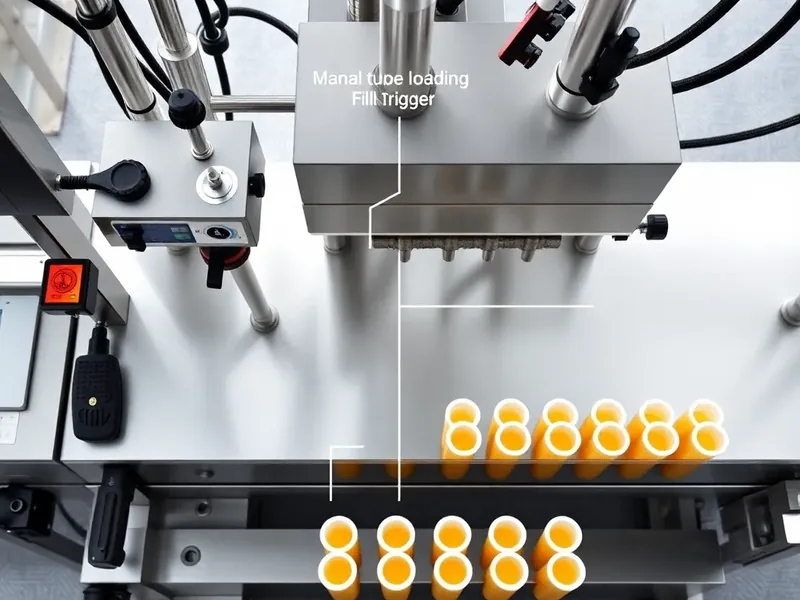
Australia application reference
Filling machine solution reference
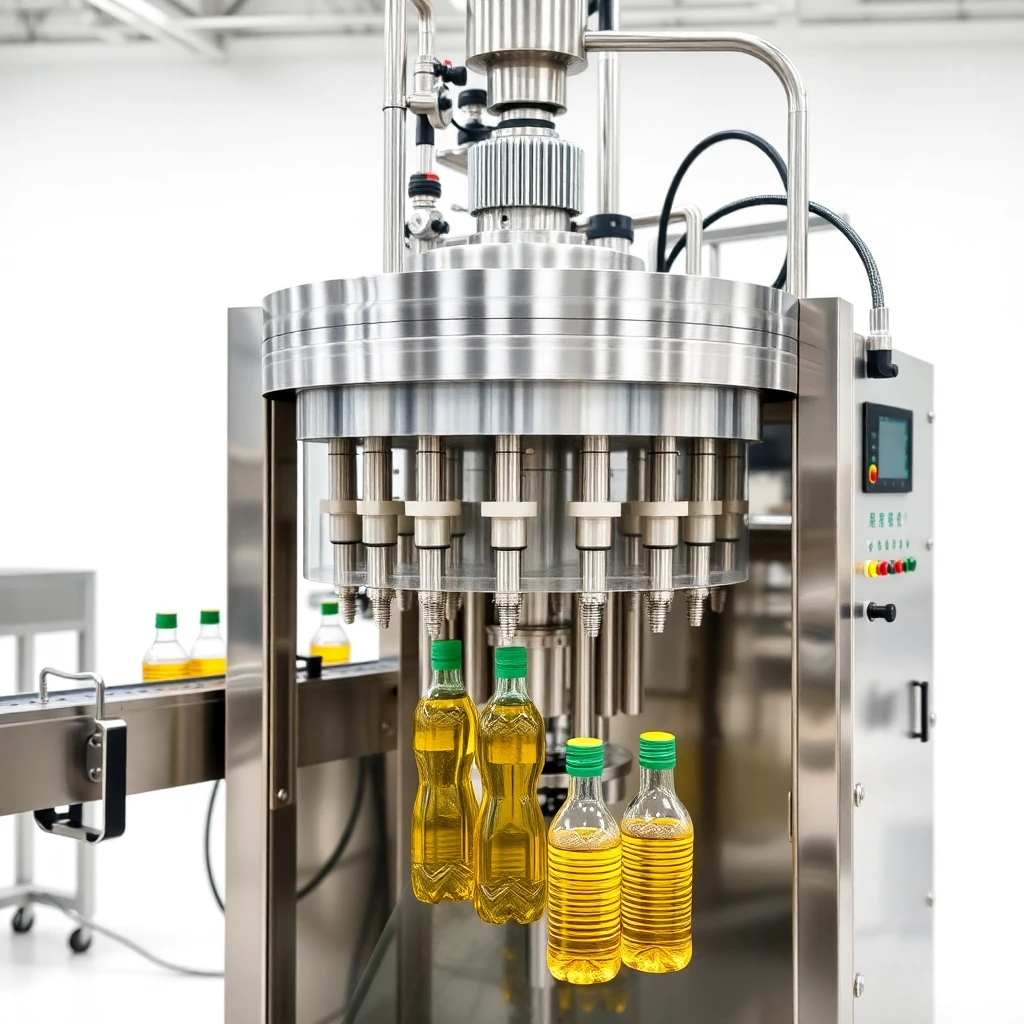
Spain application reference
Filling machine solution reference
Canada application reference
Filling machine solution reference
Semi-Automatic Aerosol Filling Machine for Sale — Free Assessment
Tell us your product type, can size, monthly volume and propellant. We'll recommend the right semi-automatic aerosol filling configuration after scope review. documentation review can be included in the quotation.
Request Configuration Review