Aerosol & Pressurized Packaging
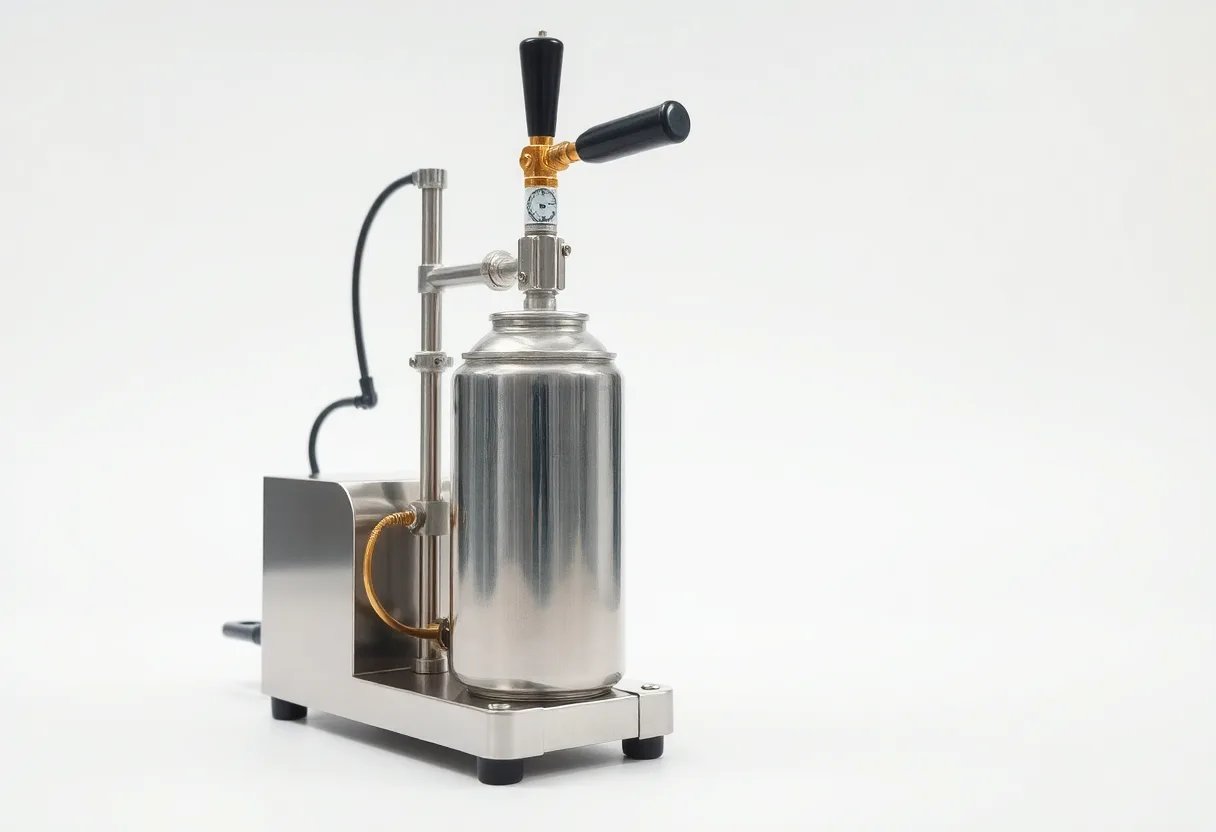
Manual Aerosol Filling Machine
Manual aerosol filling machine for laboratory, R&D and small-batch aerosol production. Hand-operated. 5–15 cans/min. LPG or CO₂ propellant. Minimum batch: 1 can. documentation reviewed.
Key Features
Manual Aerosol Filling: How It Works
A manual aerosol filling machine (also called a tabletop aerosol filler or bench-top aerosol filling device) is a compact, hand-operated system designed for laboratory, R&D and small-batch aerosol production. The filling sequence for a standard manual aerosol filling device: (1) Empty can is placed on the scale platform and tared to zero; (2) The operator opens the product valve to fill product into the can by hand — the scale displays current fill weight, and the operator closes the valve when the target weight is reached; (3) The valve and cup assembly is placed manually on the can and crimped using a handheld crimping tool or bench-top crimping press; (4) The crimped can is placed in the gassing adapter, and the operator activates the LPG or CO₂ supply for a set duration (timed by stopwatch or timer) — propellant fills under the valve cup (UTC) or through the valve (TTV) depending on the device type; (5) The filled can is weighed to verify propellant quantity by weight difference; (6) Can is placed in a water bath for visual leak check. Total cycle time per can: 2–5 minutes depending on operator experience. No electrical power is required for basic manual devices — the product supply is gravity or a hand pump, and the propellant supply is from a cylinder with a manually controlled valve.
R&D and Formulation Development Applications
Manual aerosol filling equipment is essential for aerosol product development and regulatory submission work. Aerosol formulators, fragrance houses, cosmetic chemists and pharmaceutical development scientists use manual aerosol fillers to prepare laboratory trial batches for: (1) Preliminary stability studies — small batches (6–30 cans per stability condition) are filled and placed into ICH climate chambers (25°C/standard RH, 40°C/standard RH) to observe physical, chemical and microbiological stability over 3–12 months. Manual filling allows the target fill weight and propellant ratio to be set precisely per trial condition; (2) Product performance assessment — spray pattern, particle size distribution (for pharmaceutical inhalers), droplet size distribution (for cosmetic mists) and spray rate are evaluated on manually filled trial cans before committing to bulk production; (3) Regulatory batch documentation — in many markets (EU, FDA), the development report for a new aerosol product must document the specific batch of cans, valves, propellant and product concentrate used in stability trials. Manual filling allows full traceability of each trial can to specific raw material lots; (4) Consumer evaluation batches — 50–500 manually filled trial cans are often submitted to consumer panels, focus groups or retail buyers for product evaluation and packaging feedback before commercial launch.
Entry-Level Production for Developing Markets and Artisan Brands
Manual aerosol filling machines serve as the entry point for aerosol production in developing markets, rural manufacturing settings and artisan/craft product brands where volumes do not justify capital investment in semi-automatic or fully automatic equipment. In developing market contexts, manual aerosol filling is used for: (1) Contract manufacturers serving local market brands — a contract filler serving local spray paint brands, insecticide products or personal care aerosol customers may fill 500–5,000 cans/day per product line using multiple manual filling stations; (2) Agricultural aerosol products — small-volume specialty agricultural sprays (plant growth regulators, concentrated pesticide aerosols for professional use) are often filled manually in small lots by agricultural chemical manufacturers; (3) Test market launches — a brand entering a new geographic market may fill 1,000–5,000 trial cans manually (or at a small CMO) before investing in local production capacity; (4) Artisan and specialty products — handmade spray paints (artist-grade), specialty industrial marking aerosols, custom fragrance body sprays and personalized aerosol products are inherently small-batch and benefit from the flexibility of manual filling. The capital cost of a basic manual aerosol filling setup is typically a scope-based quotation, making it accessible to small producers and product developers who cannot justify semi-automatic or automatic machine investment at early-stage volumes.
Technical Specifications
Frequently Asked Questions
What is a manual aerosol filling machine?▼
A manual aerosol filling machine is a hand-operated device for filling aerosol cans with product and propellant at a rate of 5–15 cans/min. Unlike semi-automatic or automatic machines, every step of the fill cycle is performed by the operator: product fill amount is measured on a scale and controlled by opening/closing a valve; the valve and cup are placed and crimped by hand; propellant is injected using a manual trigger or timed supply. Manual aerosol filling machines are compact table-top devices (typically 30–80kg, 600×400×600mm) that require no electrical power for basic operation (though digital scales, timers and LEL monitors are recommended safety accessories). Key components of a manual aerosol filling setup: (1) product supply tank (1–20L, gravity-fed or with hand pump); (2) calibrated digital scale with 0.1g resolution; (3) manual crimp head (bench-top lever-type or handheld ratchet-type for 1-inch valve cups); (4) propellant supply adapter with timed valve or flow regulator; (5) small-volume water bath (tray type, 10–20 cans capacity) for leak testing. Full setups including accessories are quoted after scope review.
Can a manual aerosol filling machine use LPG propellant safely?▼
Yes, but manual LPG aerosol filling requires strict safety controls because LPG is a flammable, heavier-than-air gas. Safe practices for manual LPG aerosol filling: (1) Dedicated filling area — LPG aerosol filling must be conducted in a room with natural or mechanical ventilation providing a minimum of 10 air changes per hour, with exhaust at floor level (LPG accumulates at floor level); (2) No ignition sources — no naked flames, no electrical switches or outlets within the filling area, no smoking; (3) LEL monitor — a fixed or portable LPG lower explosive limit (LEL) monitor is strongly recommended, with alarm and ventilation interlock settings confirmed by site safety review; (4) Grounding — the operator should be grounded (conductive wrist strap or conductive footwear on a grounded floor) to prevent static discharge into the propellant atmosphere; (5) LPG cylinder location — the LPG supply cylinder must be stored and connected from outside the filling room, with only the supply line entering the filling area through a sealed penetration; (6) Quantity limits — the amount of LPG open in the filling area at any time should be the minimum practical (one connection per filling station). CO₂ is significantly safer than LPG for manual filling: CO₂ is non-flammable, though asphyxiation risk in confined spaces requires CO₂ monitoring if large quantities are used.
What is the typical output of a manual aerosol filling machine?▼
A skilled operator using a manual aerosol filling machine can produce 5–15 cans/min, depending on product viscosity, can size and operator experience. In practice: (1) Simple product (low viscosity, 200ml can, experienced operator) — 12–15 cans/min; (2) Moderate product (medium viscosity, 300ml can, standard operator) — 8–10 cans/min; (3) Complex product (high viscosity, 400ml can, controlled fill weight required) — 4–6 cans/min. At 8 cans/min over a 6-hour productive shift (excluding breaks, setup and cleaning): approximately 2,880 cans/shift/operator. Monthly output with one operator on one shift: approximately 50,000–60,000 cans/month (25 working days × 2,400–2,500 cans/day). For higher volumes, additional operators and stations can be added in parallel — 3–4 manual filling stations can be managed by 4–5 operators (including one person dedicated to propellant handling and leak testing) to achieve 8,000–10,000 cans/day, competitive with a single semi-automatic machine but at higher labor cost and lower consistency.
What is the difference between a manual and a semi-automatic aerosol filling machine?▼
The key differences between manual and semi-automatic aerosol filling machines: (1) Fill accuracy — manual filling relies on operator scale reading and valve-close timing, achieving tolerance by RFQ. Semi-automatic machines use servo-controlled dosing with checkweigher feedback, achieving tolerance by RFQ. For products with tight fill specifications (e.g., pharmaceutical aerosols), semi-automatic accuracy is required; (2) Propellant control — in manual filling, propellant quantity is controlled by timed injection (stopwatch), achieving tolerance by RFQ. Semi-automatic machines use pressure-timed or flow-metered gassing, achieving tolerance by RFQ; (3) Speed — manual 5–15 cans/min vs. semi-automatic 10–30 cans/min. A single semi-automatic machine replaces 2–3 manual filling stations while requiring only 1 operator vs. 2–3 for manual; (4) Capital cost — both manual and semi-automatic setups are quoted after scope review, with manual systems usually requiring a smaller equipment scope; (5) Regulatory acceptance — for pharmaceutical aerosol products (MDIs, nasal sprays), regulatory guidelines (FDA 21 CFR Part 211, EU GMP Annex 1) require reviewed automated filling processes with documented accuracy, which manual filling generally cannot satisfy.
Solution References
Solution References
Aerosol filling solution references for this product.
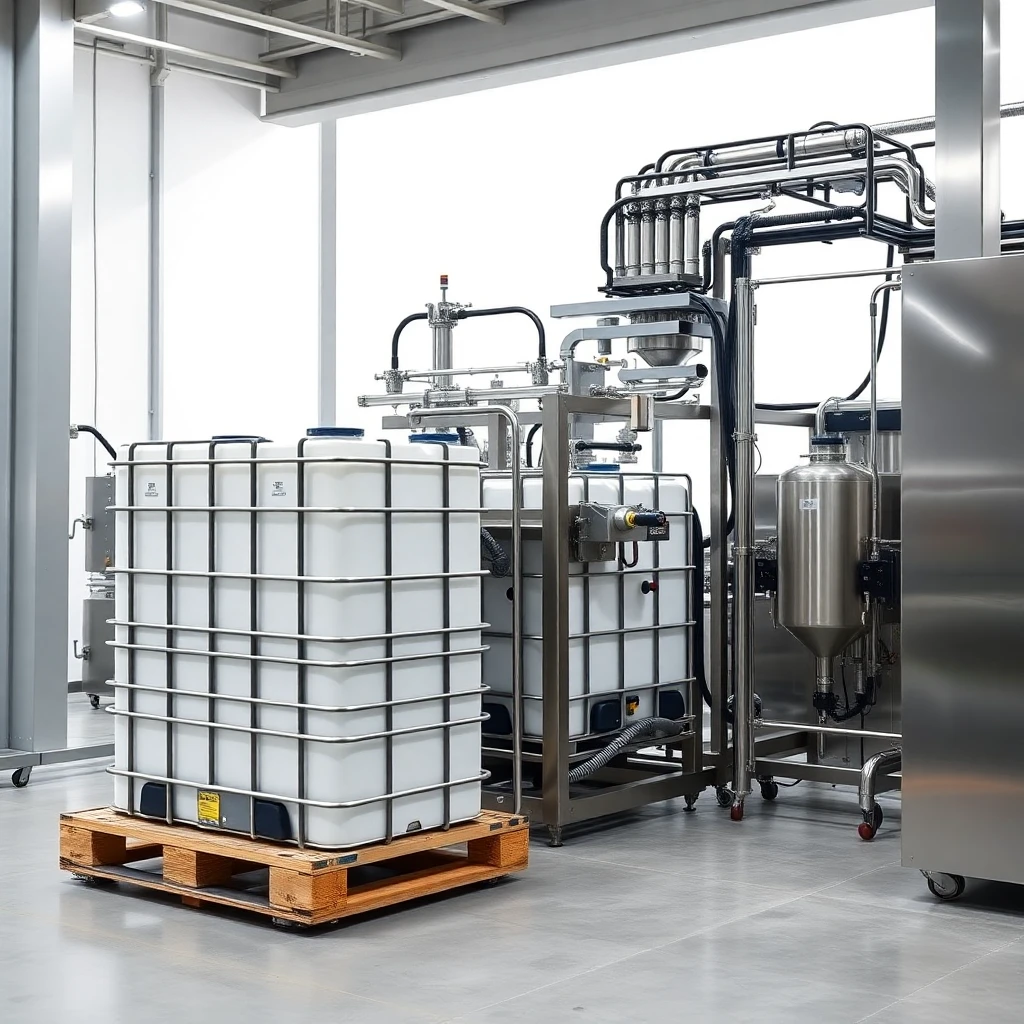
USA application reference
Filling machine solution reference
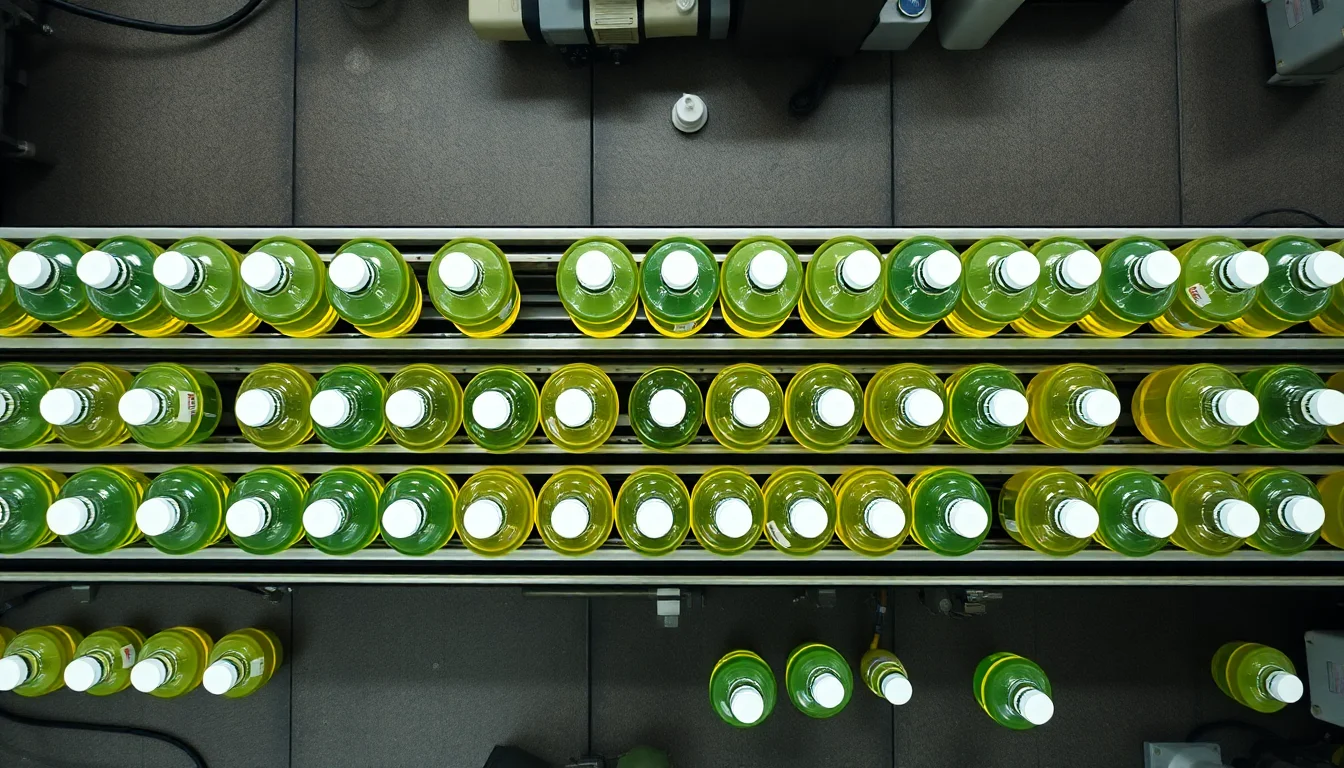
India application reference
Filling machine solution reference
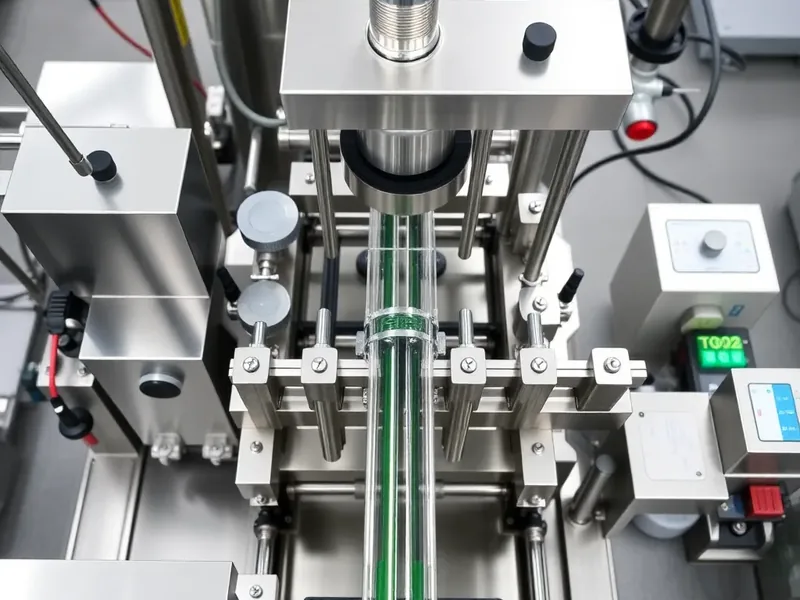
Mexico application reference
Filling machine solution reference
Manual Aerosol Filling Machine for Sale — Free Consultation
Tell us your product type, can size, batch size and propellant. We'll recommend the right manual aerosol filling setup or help you determine when to step up to semi-automatic. documentation review can be included in the quotation.
Request Configuration Review