Technical Guide2025-05-1514 min

200L Drum Filling vs IBC Filling Systems: Which Is Right for Your Plant?

Choosing between 200L drum filling machines and IBC tote filling systems depends on your package format, production volume, product behavior, safety zone and logistics chain. The right decision is usually made by combining filling accuracy, container handling and downstream warehouse flow.

drum filling machineIBC filling machinecomparison
200L Drum Filling vs IBC Filling Systems: Which Is Right for Your Plant?

Drum Filling vs IBC Filling: A Complete Comparison

Choosing between 200L drum filling machines and IBC tote filling systems depends on your package format, production volume, product behavior, safety zone and logistics chain. The right decision is usually made by combining filling accuracy, container handling and downstream warehouse flow.

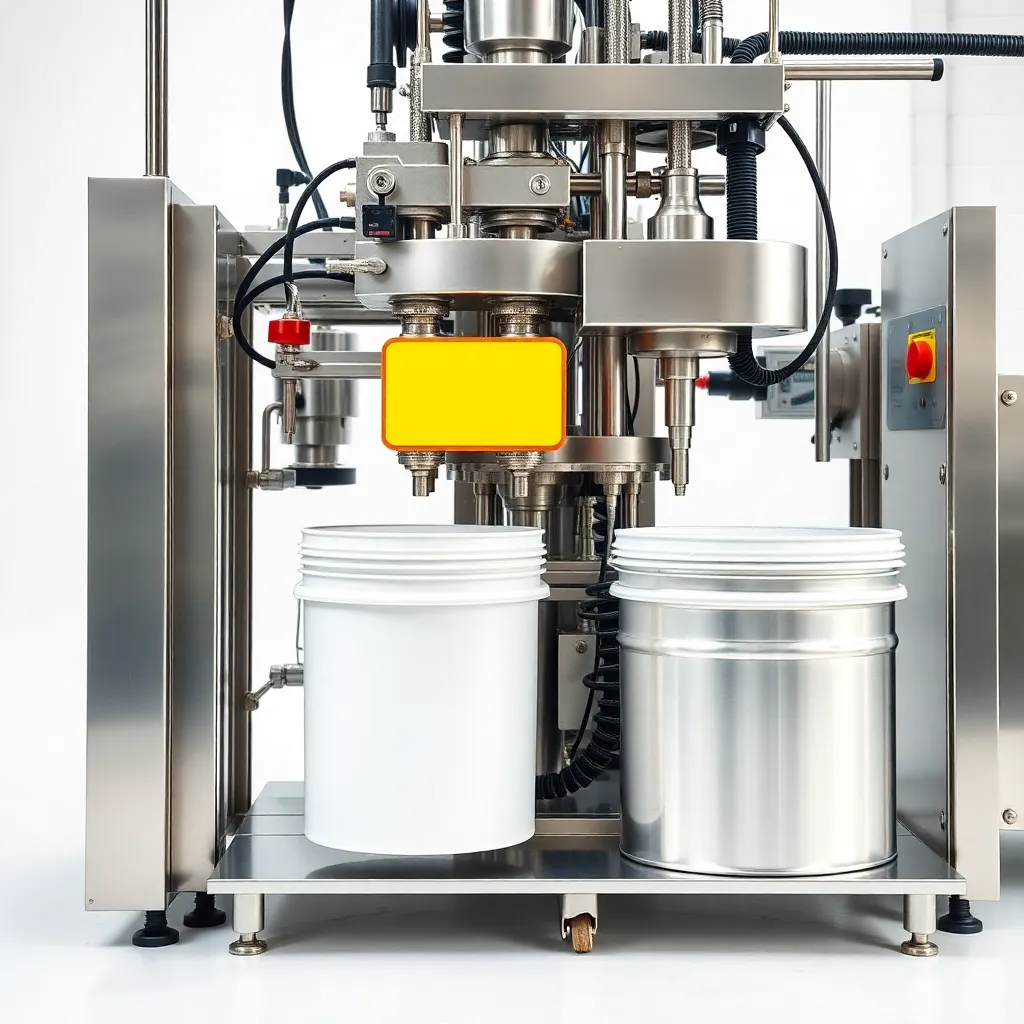
200L Drum Filling Systems

  • Typical planning range: 30–80 drums/hour for comparable 200L drum filling systems, depending on automation level and layout
  • Net-weight filling is commonly used when high-value chemicals, coatings or lubricants need controlled fill weight
  • Automation options may include drum positioning, bung handling, capping, labeling and palletizing integration
  • Solvent-based products may require ATEX Zone 1/Zone 2 options, grounding and anti-static hose design

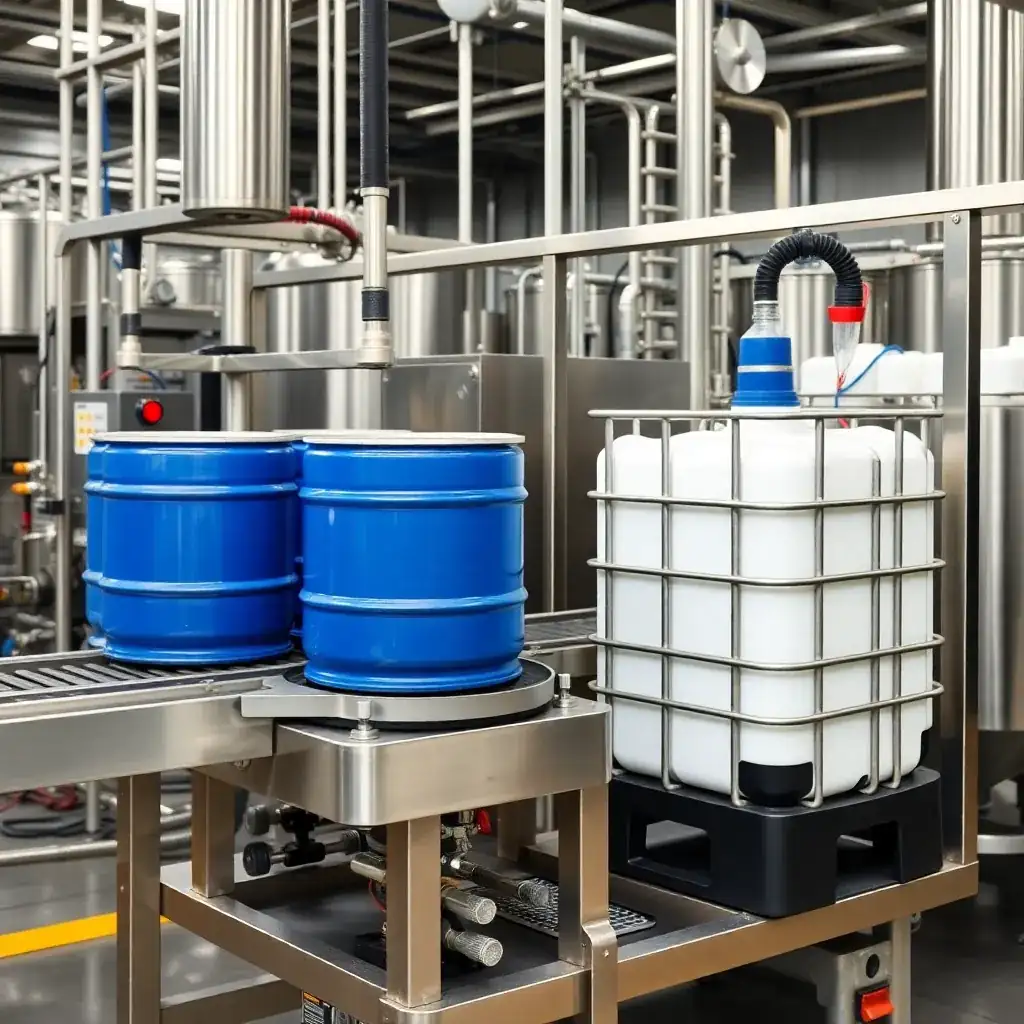
IBC Filling Systems

  • Typical planning range: 10–40 IBCs/hour, depending on IBC volume, weighing time and filling method
  • Top-fill or rocker-arm filling options are commonly reviewed for large tote containers
  • Integrated weighing platforms are often selected for bulk packaging and large-volume accuracy control
  • Anti-drip design, cap handling and spill-control layout should be reviewed before final configuration

When to Choose Which?

Choose drum filling when your buyers order smaller lots, your plant changes SKUs frequently, or distributors need standard 200L packages. Choose IBC filling when bulk volumes are standard, customers have IBC handling equipment, and fewer changeovers are expected. If your business serves both channels, ask engineering whether a combined drum and tote filling layout is practical.
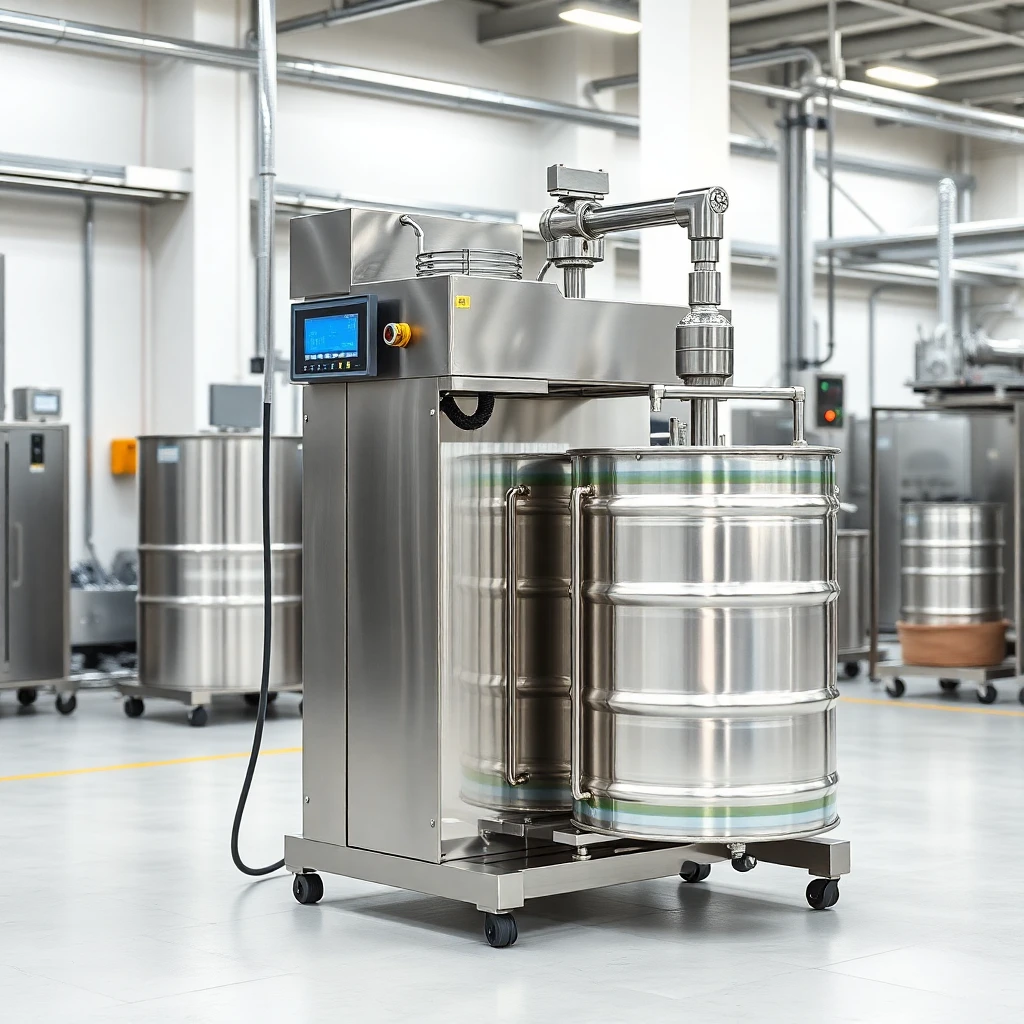
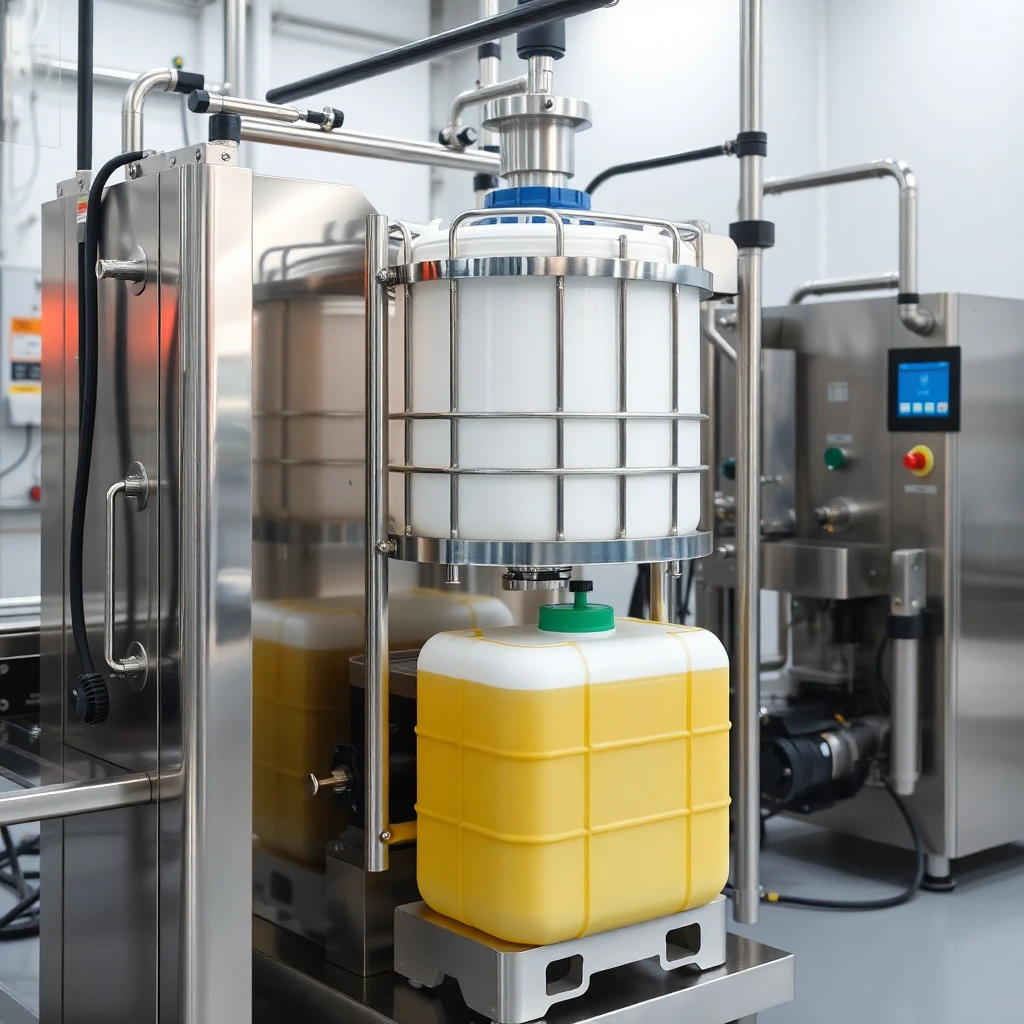
Drum vs IBC Filling Decision Matrix

Use this matrix to align the filling system with your package size, customer order pattern, plant layout and safety requirements before requesting a quotation.

Decision factor200L drum fillingIBC fillingBuyer note
Package format200L steel or plastic drums for standard industrial distribution.200L to 1,000L IBC totes for bulk users and returnable container programs.Start from how your customers receive and store product, not only from filling speed.
Typical output rangeComparable 200L drum systems are commonly planned around 30-80 drums/hour, depending on automation and line layout.IBC systems are commonly planned around 10-40 IBCs/hour, depending on tote volume and filling method.Final throughput depends on cap handling, weighing time, foaming behavior and forklift flow.
Accuracy approachNet-weight filling is commonly selected for 200L drums when product value or trade settlement requires tight control.Integrated weighing platforms are typical for IBC filling because tote tare weight and large volume must be controlled.Ask engineering to confirm the accuracy target against product density, viscosity and legal metrology needs.
Automation focusDrum positioning, bung opening/closing, leak control, labeling and palletizing integration.Top-fill or rocker-arm filling, anti-drip design, cap handling, labeling and bulk logistics flow.The best system is often decided by upstream container feeding and downstream warehouse flow.
Best fitDistributors, multi-SKU plants, regional packaging, smaller customer orders and flexible shipment lots.Bulk industrial users, high-volume product families, fewer SKU changes and customers with IBC handling equipment.Many plants keep both formats when they serve distributors and direct industrial buyers.
Safety reviewSolvent-based coatings, resins and chemicals may require ATEX Zone 1/2 options, grounding and anti-static hose design.The same hazardous-area review applies, with extra attention to large-volume spill control and venting.Share the SDS, flash point and plant zoning before final equipment selection.

If you already know the package format, these equipment pages help you move from comparison to configuration review.

Typical Application Scenarios

Without a real project record, these are presented as typical scenarios for engineering discussion rather than customer case evidence.

Paint and coating plants

Drums and pails are common for mixed customer sizes, while IBCs suit bulk coating users and fewer changeovers.

Industrial chemical packaging

Container choice often depends on SDS classification, corrosion risk, zoning, venting and spill-control design.

Lubricant and oil filling

Drums fit distributor networks; IBCs fit larger B2B accounts with tote handling and return logistics.

RFQ Checklist Before Engineering Review

A useful quotation needs more than the container name. Prepare the following details so the engineering team can recommend drum, IBC or a combined line with fewer back-and-forth emails.

Product name, viscosity range, density and SDS or hazardous-area classification.
Container types, container dimensions, cap or bung type and target fill weight.
Required daily output, shift length, current bottleneck and planned expansion.
Automation level: manual loading, conveyor feeding, cap handling, labeling, palletizing or warehouse integration.
Plant layout limits, available utilities, compressed air, power supply and explosion-proof zone.
Required accuracy target, trade settlement rules and whether legal metrology applies.

Typical parameter ranges on this page are for initial selection only. Final specifications should be confirmed in the quotation and technical agreement after reviewing your product and plant conditions.

Drum and IBC Filling FAQ

Can one filling line handle both 200L drums and IBC totes?

A combined line may be possible when the filling head, weighing platform, container positioning and safety design support both formats. It usually needs engineering review because drum and IBC handling, height, cap access and forklift flow are different.

Should I choose drum filling if my customers also buy bulk product?

Not always. If most orders are distributor lots or multiple SKUs, drum filling can stay flexible. If bulk customers account for a large share of volume and have tote handling equipment, an IBC line or combined line may reduce handling cost.

Do solvent-based coatings need explosion-proof filling equipment?

They often do, but the final requirement depends on the SDS, flash point, plant zoning and local regulation. Share the material safety data and installation area classification before confirming ATEX Zone 1/2 options.

What affects real filling speed more than the machine rating?

Container feeding, weighing stabilization, foam control, cap handling, label application, forklift pickup and product changeover often decide the real hourly output. That is why layout and workflow data should be part of the RFQ.

drum filling machineIBC filling machinecomparison

Related Articles

Need Expert Advice on Filling Equipment?

Our engineers provide free technical assessments for your specific production requirements.

Get Free Assessment
Scan to add HEMUfill on WeChat

扫码添加微信
WeChat Contact