Why ATEX Review Matters for Filling Equipment
ATEX certification for filling equipment is not only a label on the machine. For plants filling solvents, coatings, resins, agricultural chemicals or other flammable liquids, the real question is whether the filling station, container handling, grounding, ventilation and control system match the hazardous area where the equipment will be installed.
Start With The Product And Area Classification
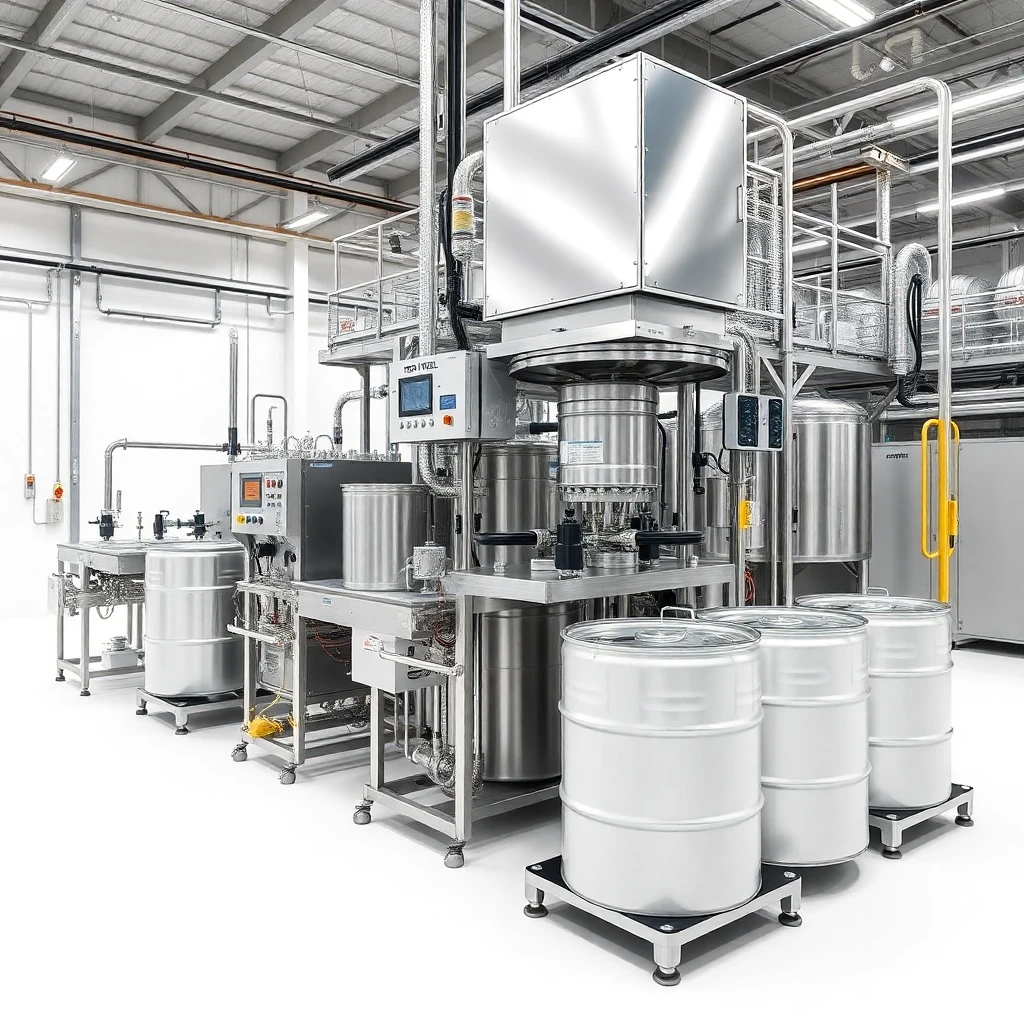
The first engineering input is the liquid itself. Share the safety data sheet, flash point, vapor behavior, cleaning solvent, container opening method and room ventilation. The second input is the installation area: Zone 1 or Zone 2 requirements, local electrical rules, grounding practice and whether operators manually load containers near the filling head.
| Review item | Why it matters | RFQ input to prepare |
|---|---|---|
| Product SDS | Confirms flammability, vapor risk, corrosiveness and cleaning method. | SDS, product name, density and viscosity range. |
| Hazardous area | Defines whether explosion-proof components, wiring and cabinet design are required. | Zone classification, local standard and installation location. |
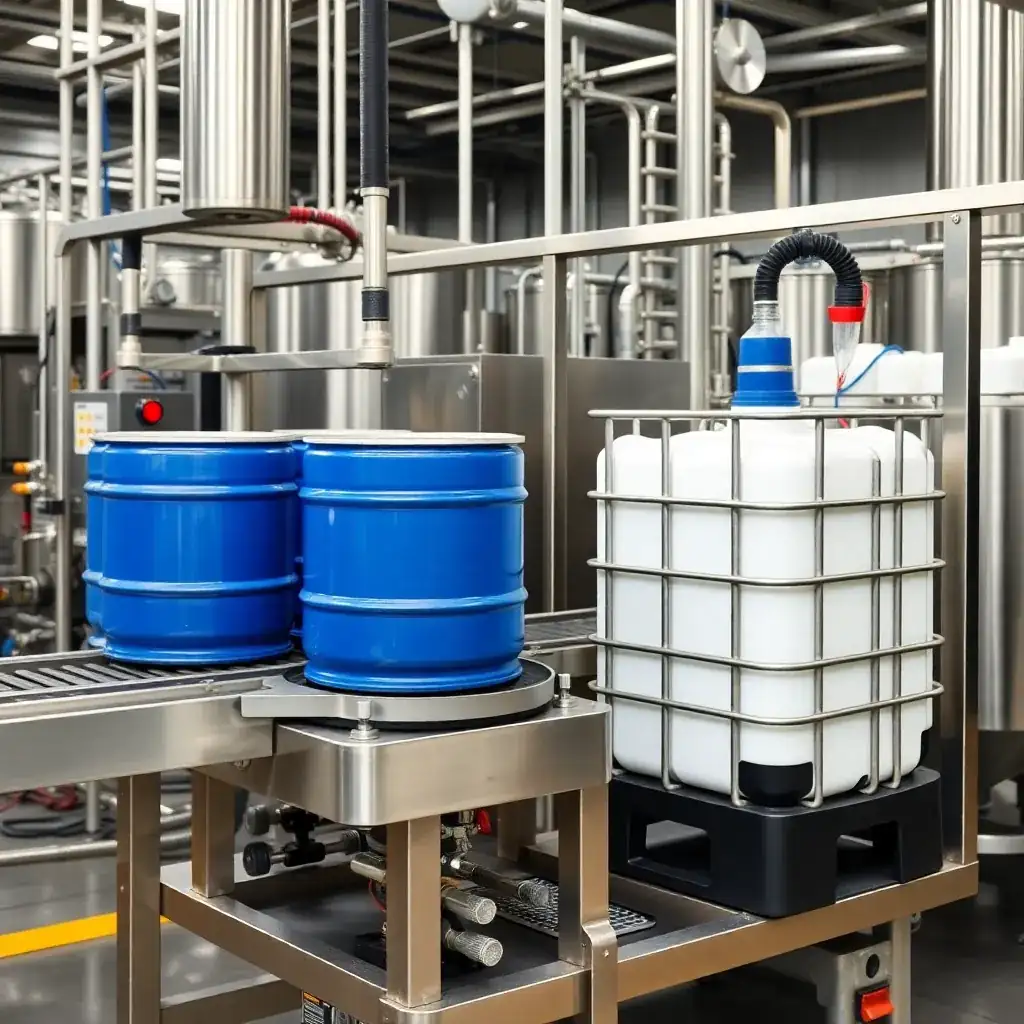
| Container format | Open drums, pails, IBCs and bottles create different vapor and spill-control conditions. | Container size, opening type, target fill weight and closure method. |
| Static control | Prevents charge accumulation during filling, hose movement and container handling. | Grounding plan, hose material and plant operating procedure. |
Typical Explosion-Proof Filling Configuration
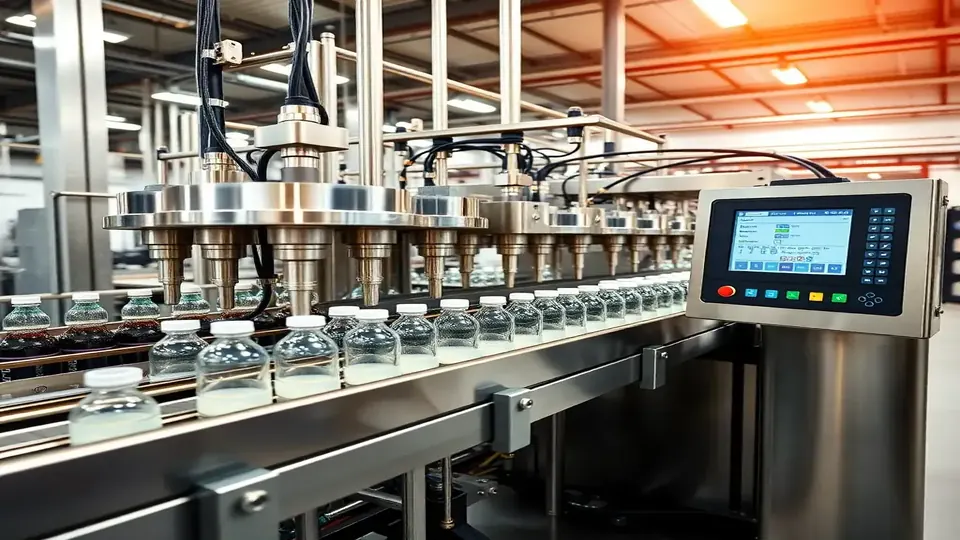
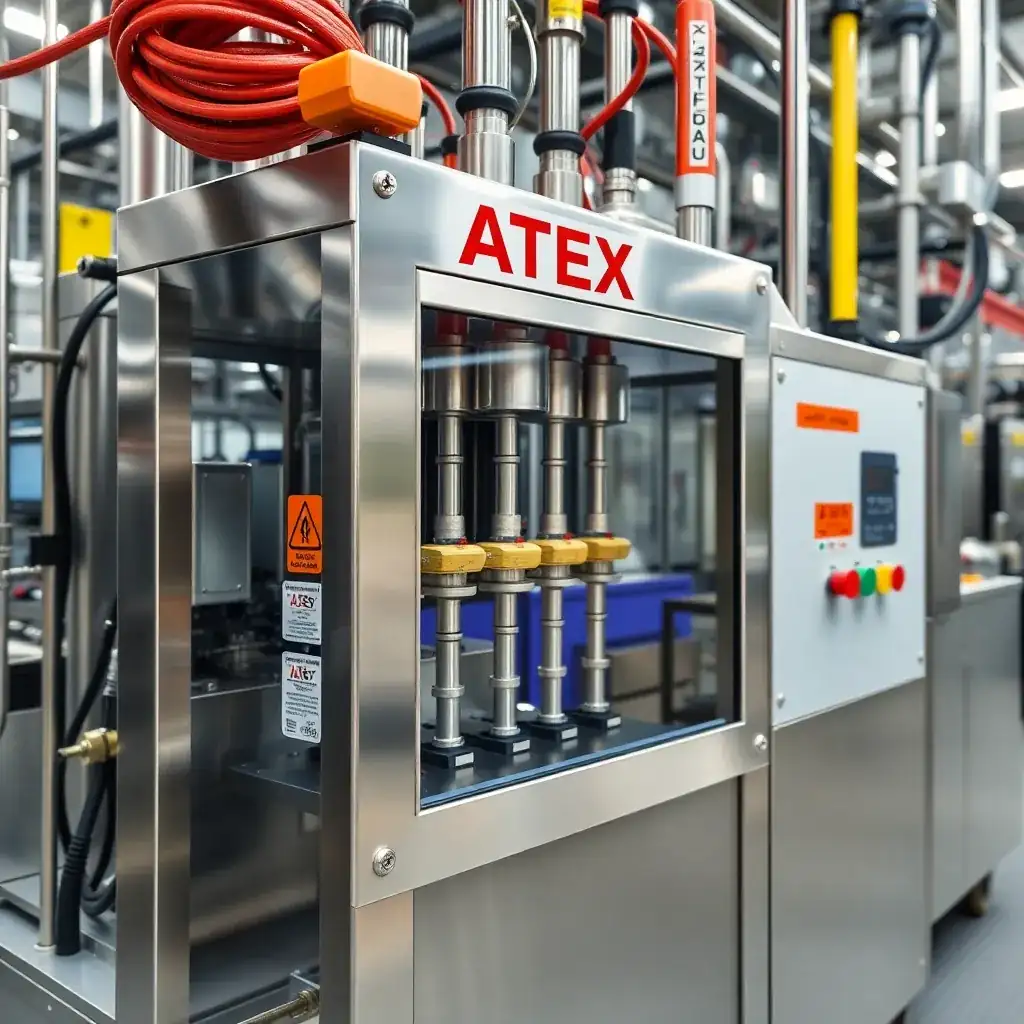
A hazardous liquid filling station normally combines net-weight filling, anti-drip nozzles, conductive contact parts, grounding, anti-static hose selection and explosion-proof electrical design. HEMUfill product capability records support ATEX Zone 1/Zone 2 review for relevant explosion-proof filling systems, with filling accuracy commonly specified around ±0.2% for confirmed ATEX filling applications after engineering review.
- Weighing platform: helps control high-value chemical or coating fill weight.
- Explosion-proof control components: selected according to zoning and local compliance needs.
- Grounding and interlock design: reduces static risk before filling starts.
- Anti-drip filling head: limits residue around the container mouth.
- Ventilation and spill-control review: protects operators and surrounding equipment.
When ATEX Is Needed And When It Is Not
Do not select explosion-proof equipment only from the product category name. A water-based coating, a solvent-based coating and a high-flash-point oil may require different risk treatment. The correct decision comes from SDS review, plant zoning and local rules. If the material is not flammable but is corrosive or foaming, material compatibility and filling method may be more important than ATEX design.
Common Mistakes In ATEX Filling Projects
The most common mistake is treating the filler as an isolated machine. In real operation, operators open containers, move hoses, handle caps, clean spills and change products. The safest layout reviews upstream container feeding, downstream closing, local exhaust, grounding points, emergency stop access and cleaning routine together.
RFQ Checklist For Explosion-Proof Filling
Before requesting a quotation, prepare the SDS, target container range, desired output, fill-weight tolerance, zoning document, utility conditions, room photos and whether you need drum, pail, IBC or bottle filling. For related equipment, review paint and chemical filling machines, drum filling machines and the ATEX drum filling case study.
ATEX Filling FAQ
- Is ATEX required for every chemical filling machine? No. The requirement depends on the SDS, flash point, vapor concentration, installation zone and local regulation.
- Can one line fill both hazardous and non-hazardous products? It may be possible, but cleaning, material compatibility, grounding and changeover procedure must be reviewed.
- Does ATEX certification replace site safety review? No. The machine certificate and the plant installation conditions must be matched before final approval.