Powder Packaging Starts With Powder Behavior
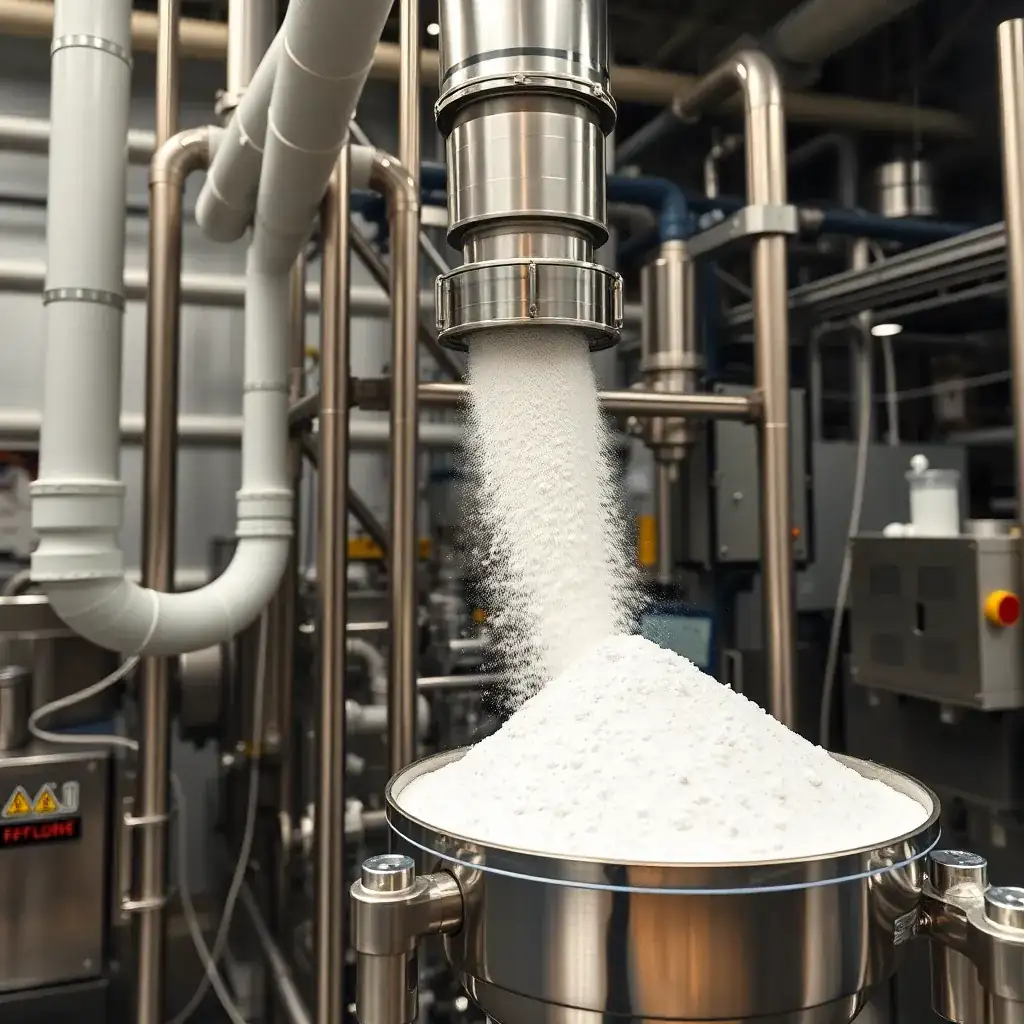
A powder conveying and packaging system is only efficient when it matches the material. Fine powders, granules, flour, spices, pharmaceutical powder and chemical powder can behave very differently in the hopper, feeder, filling head and bag clamp. The right design starts with flowability, dust level, bulk density, moisture sensitivity and cleaning requirements.
Choose The Conveying Method Around The Product
Pneumatic conveying, screw feeding, vacuum transfer and elevator feeding all have their place. A material that is fragile, dusty, sticky or segregation-prone may need a different transfer method than a free-flowing granular product. The supplier should review the powder sample and the distance between storage, dosing and packing stations.
| Project condition | Design concern | Engineering review point |
|---|---|---|
| Fine dusty powder | Dust release, filter load and operator exposure. | Dust extraction, enclosed transfer and filling head seal. |
| Poor-flow powder | Bridging, rat-holing and inconsistent dosing. | Agitation, hopper angle, screw design and refill control. |
| Fragile granules | Particle breakage during transfer. | Lower conveying velocity and gentler transfer route. |
| Multi-SKU plant | Cross-contamination and cleaning time. | Tool-free cleaning, contact material and changeover procedure. |
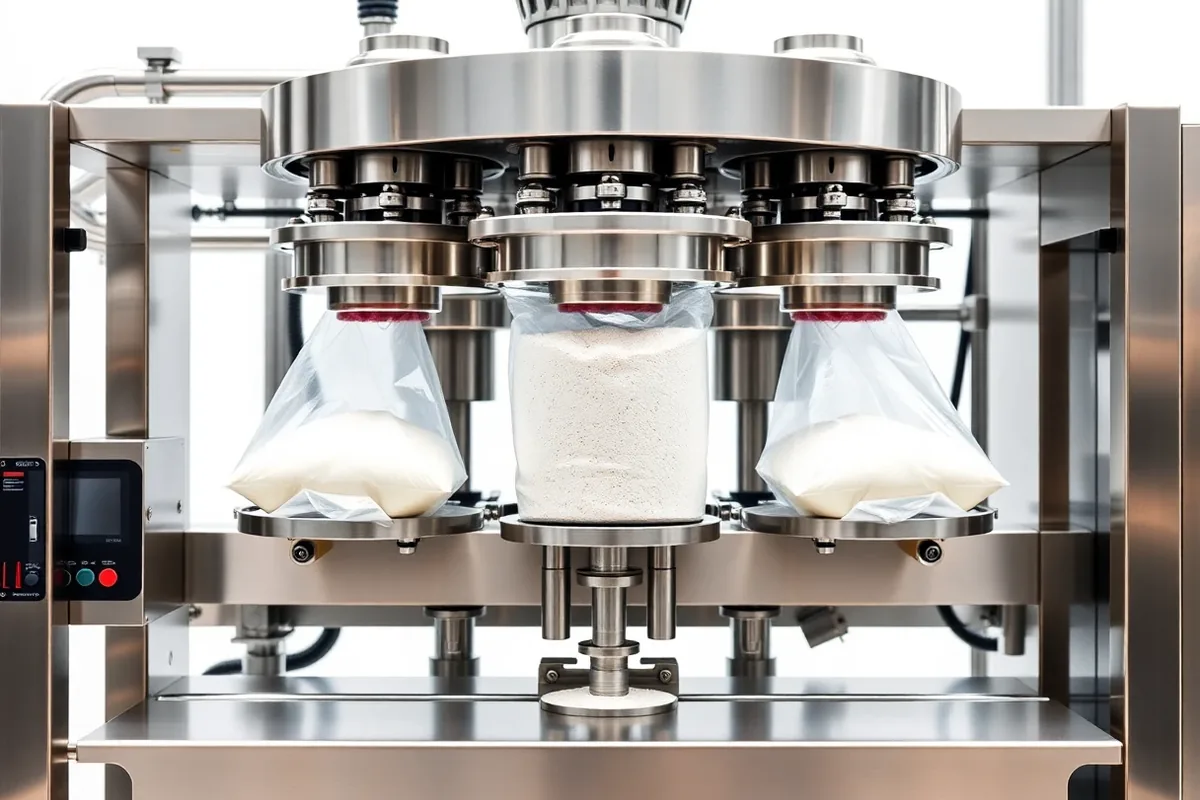
| Bulk bag or open-mouth bag | Bag stability, clamp seal and weighing cycle. | Bag support, densification, gross/net weighing and dust collection. |
Dosing And Weighing Accuracy
HEMUfill powder equipment capability records support screw or pneumatic conveying with metering, with typical powder filling accuracy around ±0.5% after product and package review. Final accuracy depends on powder flow, target fill weight, feeder design, vibration, dust control and whether gross or net weighing is selected.
Prevent Bridging And Unstable Feeding
Bridging happens when powder forms an arch over the outlet and stops feeding. Rat-holing happens when powder flows down a narrow channel while material on the side stays still. These issues are usually solved by combining hopper geometry, agitation, vibration, screw design and level control rather than by increasing motor power alone.
Dust Control And Cleaning Access
Dust control affects safety, product loss, housekeeping and weighing stability. Review where dust is created: transfer inlet, hopper vent, filling nozzle, bag clamp and discharge. For food, pharmaceutical or cosmetic powder, cleaning access and contact material must be reviewed early, especially when the plant changes products frequently.
RFQ Inputs For Powder System Design
Prepare the powder name, bulk density, particle size, moisture sensitivity, dust level, target fill weight, package type, hourly output, cleaning requirement and site layout. Useful related pages include powder filling machines, automatic powder filling machines and powder bagging machines.
Powder Conveying FAQ
- Is pneumatic conveying always better than screw feeding? No. Pneumatic conveying can be clean and flexible, but screw feeding may be more stable for some dosing applications.
- What causes poor powder filling accuracy? Inconsistent feed, air entrainment, unstable bags, vibration, dust buildup and poor refill timing are common causes.
- Can one system handle several powders? It can if the powders have compatible flow behavior and the cleaning/changeover design is planned from the beginning.