The product thickens during production
Honey, balm, wax blends, palm oil, coconut oil, chocolate, grease, petroleum jelly and some adhesives may flow during mixing but thicken inside the hopper, hose, valve or nozzle.
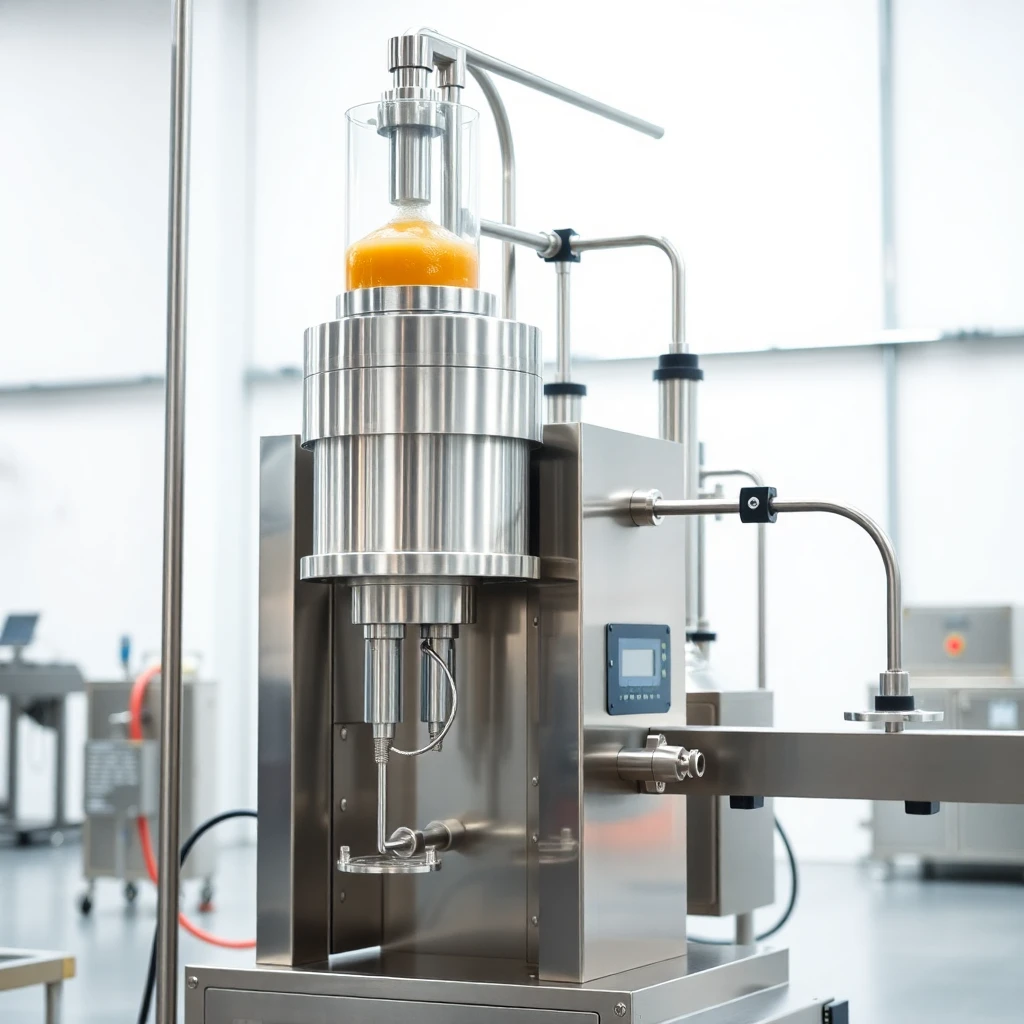
Heated hopper and piston filling scope
Heated piston filler guidance for products that thicken, crystallize or stop flowing at ambient temperature. Review heated hopper, jacketed hose, heated valve, heated piston body and nozzle temperature scope before requesting a final quote.
A standard piston filler can work well for many viscous products, but heating becomes a separate purchasing question when flow behavior changes with room temperature, stoppage time or product transfer distance.
Honey, balm, wax blends, palm oil, coconut oil, chocolate, grease, petroleum jelly and some adhesives may flow during mixing but thicken inside the hopper, hose, valve or nozzle.
Heating only the hopper may not be enough. Buyers should confirm whether tank outlet, transfer hose, pump, piston cylinder, valve and nozzle need heating or insulation.
If viscosity changes as product cools, fill weight, no-drip behavior and piston recovery can drift. Temperature window and hold-time testing should be part of the RFQ.
The main cost driver is not the word heated. It is how far heating must extend through the product path, and whether the product needs gentle handling, bottom-up filling, no-drip control or net-weight verification.
| Heating scope | Best fit | Quote details needed | Buyer risk if missed |
|---|---|---|---|
| Heated hopper only | Products that stay pumpable after reaching the piston | Filling temperature, ambient temperature, hold time | Product can cool inside hose, valve or nozzle |
| Heated hopper and hose | Long transfer distance or cooler factory environment | Hose length, transfer pump, insulation need | Temperature drop before the dosing cylinder |
| Heated piston, valve and nozzle | Wax, balm, high-viscosity oil or crystallizing products | Solidifying point, viscosity curve, stoppage behavior | Inconsistent fill, blocked valve or nozzle dripping |
| Heated filler with checkweighing | High-value or regulated net-content products | Tolerance target, container tare variation, reject logic | Overfill, underfill or weak production records |
RFQ preparation
Viscous filling projects should define product flow at the actual fill temperature. These inputs help decide whether the machine needs a heated hopper, heated hose, heated piston body, wide-bore valve or net-weight checking.
Send Project DetailsViscosity at storage, transfer and filling temperature; ambient factory temperature; whether the product cools or solidifies during stoppage.
Confirm which parts may need heating: tank outlet, transfer hose, hopper, pump, piston cylinder, valve and nozzle.
Jar, bottle, pouch, pail or drum size, opening diameter, filling height, anti-drip requirement and bottom-up filling need.
Cleaning method, allergen or fragrance carryover risk, spare seals, changeover frequency and whether CIP or manual cleaning is expected.
Use for honey, creams, gels, pastes and other high-viscosity liquid filling projects.
Compare servo, pneumatic, volumetric and particulate-ready piston filling configurations.
Review when oil behavior changes with temperature and the filling path needs heating decisions.
Send viscosity at temperature, fill volume, container mouth size, target output and the product behavior during stoppage. HEMUfill can review which parts need heating before preparing a quote.

扫码添加微信
WeChat Contact