Cosmetic & Personal Care Production
Shampoo Filling Machine
Anti-foam shampoo filling machine for shampoo, body wash, conditioner and hair care. 2,000–6,000 bottles/hr. by RFQ. Bottom-up fill prevents foam. Full automated CIP. CE and ISO 22716 GMP documentation reviewed by project scope.
Key Features
Anti-Foam Bottom-Up Filling System
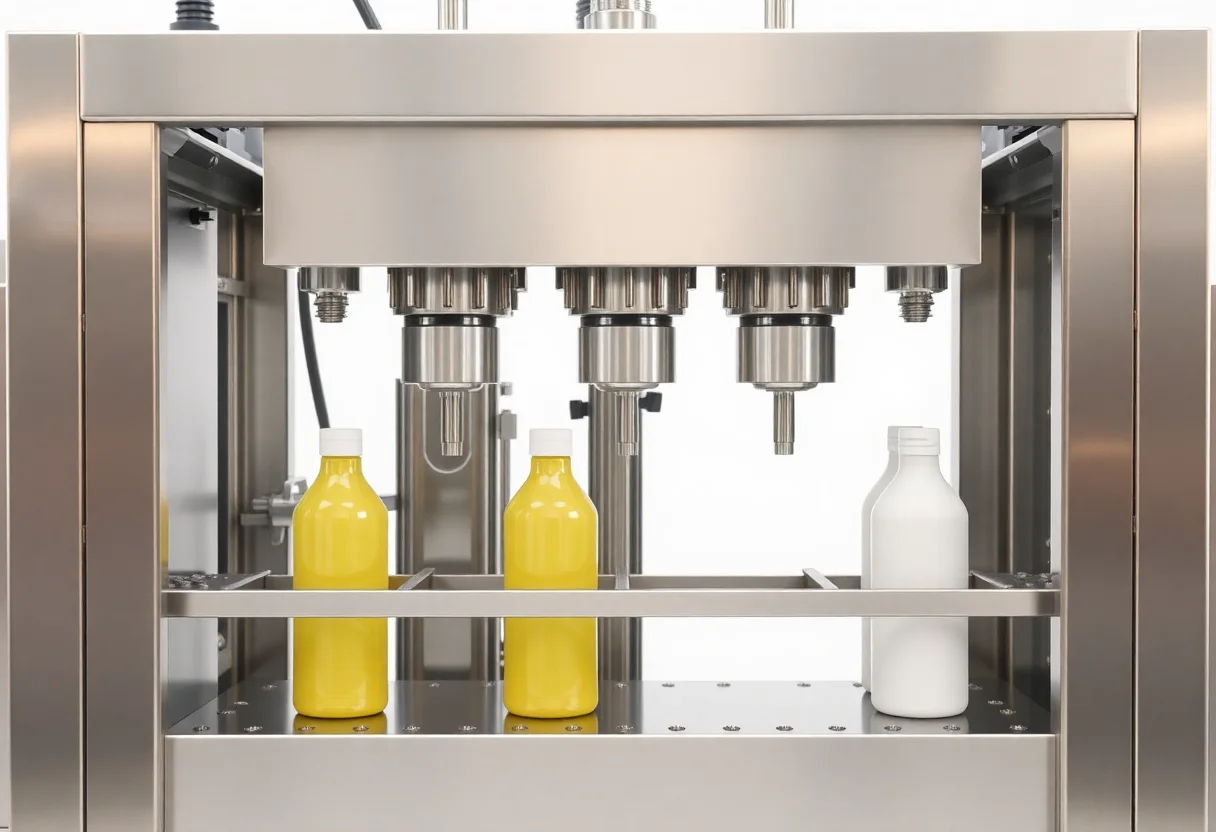
Shampoo and body wash products are highly susceptible to foam generation during filling due to their surfactant content. Standard top-fill nozzles create turbulence that generates persistent foam, resulting in underfilled containers, label contamination and production stoppages. Our shampoo filling machines use submerged bottom-up nozzles that fill from the base of the container upward, maintaining laminar flow and virtually eliminating foam formation. The nozzle retracts automatically as the fill level rises, ensuring consistent fill heights across all bottle sizes from 100ml travel sizes to 1L salon bottles.
GMP Documentation Review Sanitary Construction
Cosmetic shampoo production requires food-grade equivalent sanitary standards under ISO 22716 GMP guidelines. All product-contact surfaces in our shampoo filling machines are 316L stainless steel with electropolished Ra ≤ 0.4μm finish. Product paths are fully drainable (no dead legs where product can pool and microbially contaminate subsequent batches). Connections use tri-clamp sanitary fittings throughout. The machine supports batch traceability records required for cosmetic GMP compliance, including fill volume logs per batch.
Multi-Format: Shampoo, Conditioner and Body Wash
Haircare production facilities commonly produce shampoo, conditioner, body wash and styling products on the same filling line. These products vary significantly in viscosity (shampoo: 1,000–8,000 cP; conditioner: 5,000–30,000 cP; body wash: 500–5,000 cP) and foam tendency. Our filling line stores up to 200 product recipes with viscosity-specific fill parameters, nozzle retraction speed and CIP protocols. Servo-driven conveyor guides enable bottle format changeover in under 10 minutes. Automated CIP cycles between product types take 15–25 minutes with hot water and approved cosmetic-grade sanitizers.
Technical Specifications
Frequently Asked Questions
1How does the shampoo filling machine prevent foam from forming during filling?
Shampoo foam control is achieved through three complementary mechanisms in our filling machines. First, bottom-up filling — the nozzle tip starts submerged at the container bottom and retracts upward as the product level rises, preventing the turbulent splashing that creates foam in top-fill systems. Second, low-velocity fill head design — the product flows through the nozzle at a controlled velocity below the critical turbulence threshold for that product's surfactant system, typically 0.3–0.8 m/s depending on viscosity and foam tendency. Third, overflow prevention sensors — ultrasonic level sensors detect foam accumulation and temporarily pause filling to allow foam to settle before completing the fill cycle.
2What viscosity of shampoo can the machine handle?
Our shampoo filling machines handle the full range of shampoo viscosities: ultra-thin clarifying shampoos (100–500 cP), standard shampoos (1,000–5,000 cP), thick moisturizing shampoos (5,000–20,000 cP), and extra-thick conditioners and hair masks (20,000–50,000 cP). For products above 30,000 cP, we recommend the heated hopper option to reduce viscosity to a pumpable range during filling. Viscosity above 50,000 cP (e.g., hair wax, pomade) requires our lotion/cream filling machine with piston pump technology.
3What GMP documentation packages apply to shampoo filling machines?
Shampoo filling machines used in cosmetic production are usually reviewed against ISO 22716:2007 expectations for production, control, storage and shipment. The project documentation may cover product-contact material records, sanitary design principles, batch traceability support, CE-related machinery files for EU projects, and ISO 22716-related review items according to the final technical agreement.
4How long does CIP take between shampoo product changeovers?
CIP duration between shampoo product changeovers depends on the degree of product compatibility. Between variants of the same formula family (e.g., switching between two shampoo SKUs using the same base), a hot water rinse (60°C, 10–15 minutes) followed by a sanitizer flush is sufficient — total CIP time 15–20 minutes. Between substantially different products (shampoo to conditioner, or fragrance-sensitive products), a full 3-stage CIP (pre-rinse, detergent wash, final rinse + sanitize) takes 25–35 minutes. Between incompatible product categories (e.g., switching to a product containing different surfactant chemistry), a full CIP with hot water, caustic wash and sanitizer takes 35–50 minutes. Our CIP systems are fully automated with documented validation records per cycle.
Related Machines
Solution References
Solution References
Cosmetic filling solution references for this product.
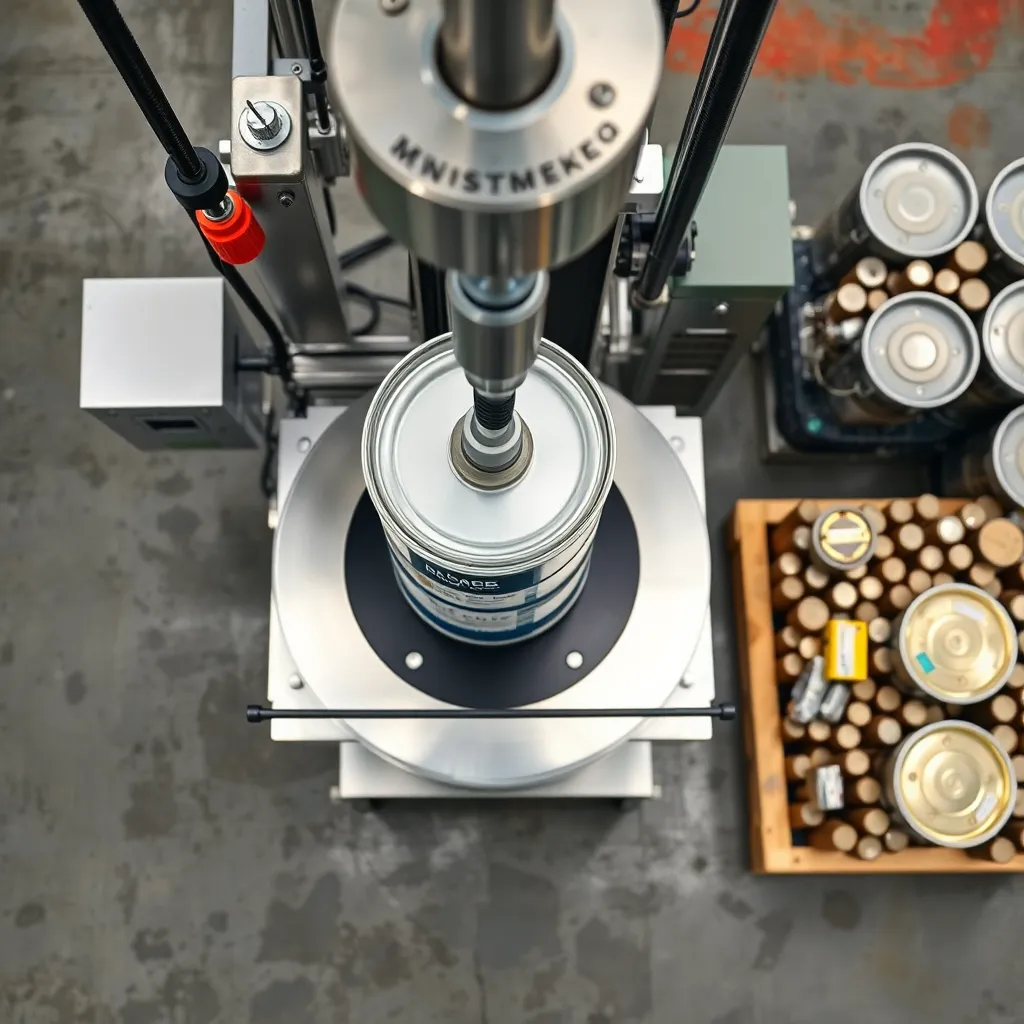
Indonesia application reference
Filling machine solution reference
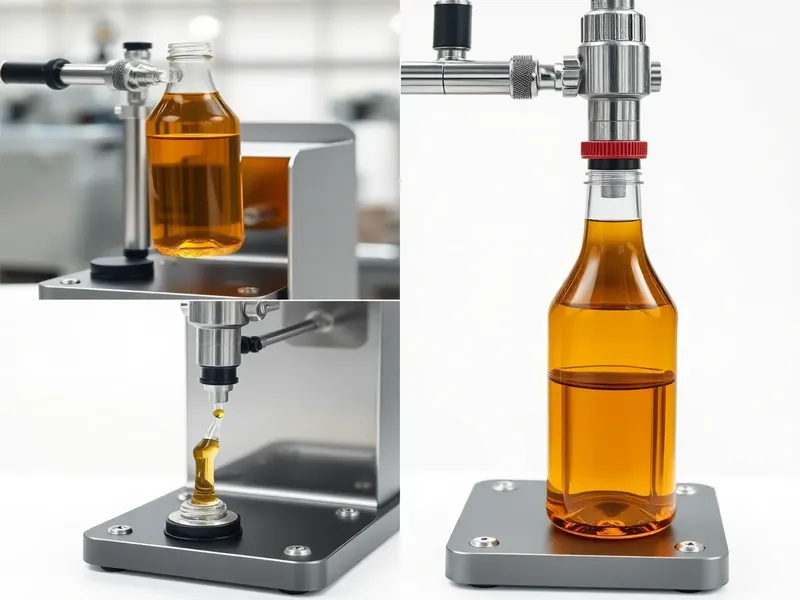
Brazil application reference
Filling machine solution reference
China application reference
Filling machine solution reference
Get a Free Line Assessment
Tell us your shampoo viscosity, bottle format, production target and GMP requirements. We'll design the optimal filling line after scope review.
Request Free Assessment