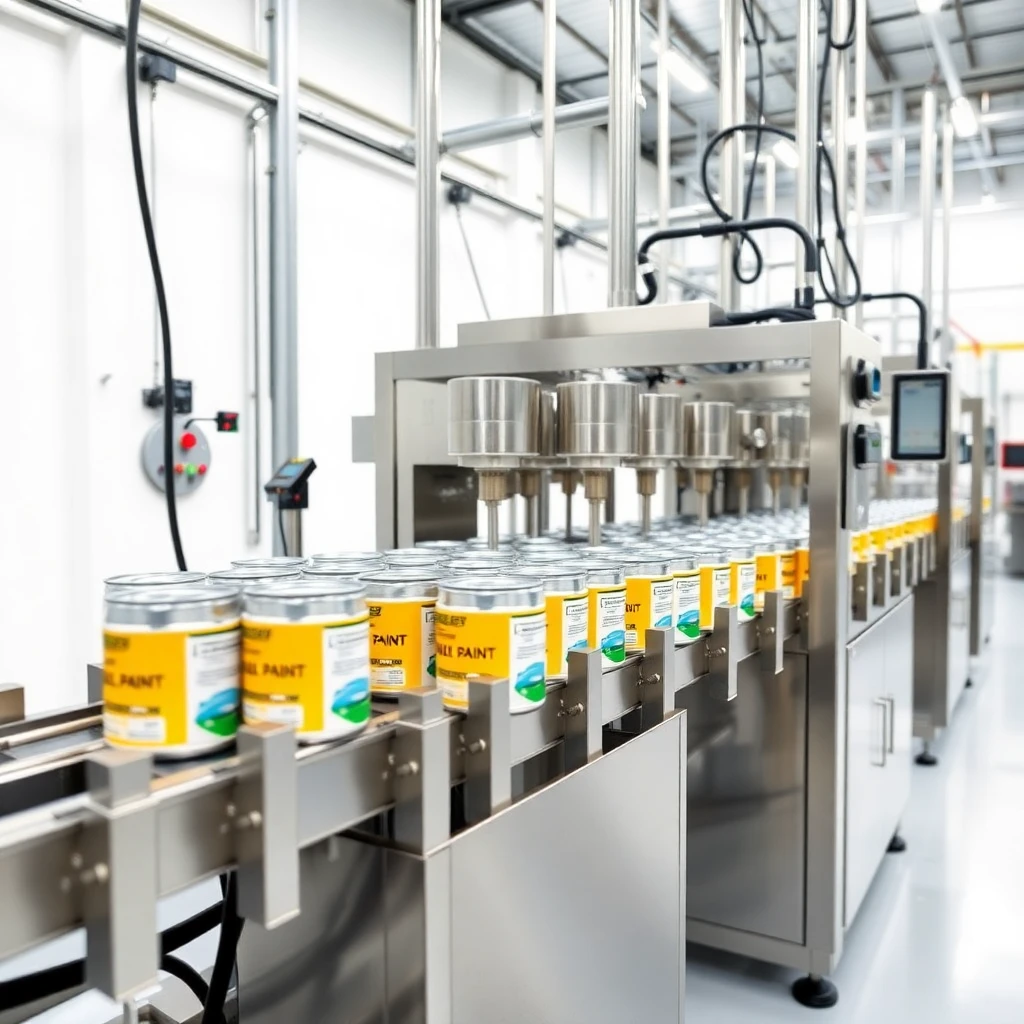
Solvent Safety Scope
Solvent Filling Line ATEX Grounding and Ventilation Checklist
A safety-scope guide for solvent, flammable chemical, coating and aerosol-related filling projects.
Short Answer
A solvent filling line should be reviewed for flammability, vapor, ATEX or local explosion-proof classification, grounding, ventilation, closure handling, operator access and emergency controls before the equipment scope is finalized.
Buyer intent behind this search
This search usually indicates a buyer who understands that solvent filling is not only a dosing problem. Safety scope, plant environment and local rules drive the equipment configuration.
- Use the page when the buyer already knows the product family but still needs scope routing.
- Confirm product behavior, container, closure and output before comparing model names.
- Route broad search demand toward a specific RFQ checklist instead of a generic product page.
Configuration details to confirm first
Review solvent type, flash point if available, vapor behavior, container size, filling station, pump, valves, electrical components, grounding, ventilation and fire-safety interfaces.
- Dosing method, filling head count, contact material and nozzles depend on the product and container.
- Closure handling, labeling, coding, weighing, dust control or safety modules can change the real line scope.
- If one line must handle several SKUs, changeover and cleaning should be reviewed before price comparison.
What should be included in the line scope
A solvent line quotation may need explosion-proof electrical design, grounded conveyors, enclosure, ventilation interfaces, leak handling, capping, coding and documentation. These should be explicit.
- Separate filling-only requests from complete filling, capping, labeling, coding and conveying requests.
- Include operator access, utilities, spare parts, documentation and commissioning expectations in the first review.
- Do not compare quotations until the supply boundary and acceptance items are written clearly.
Common mistake to avoid
The common mistake is asking for ATEX as a label without defining the classified area, utilities, product data and destination-country requirements.
- Avoid requesting only a machine name without the product and package details.
- Avoid publishing fixed prices or unverified capacity claims before the final technical agreement.
Selection Points
RFQ Checklist
| 1 | Solvent name, SDS, flash point if available and vapor concerns. |
| 2 | Container volume, material, closure and target output. |
| 3 | Area classification, ATEX or local explosion-proof expectation. |
| 4 | Grounding, ventilation, operator access and emergency stop requirements. |
| 5 | Need for capping, labeling, coding, conveyors and documentation. |
Common Buyer Questions
Does every solvent filling line need ATEX?
The requirement depends on product data, plant area classification and local rules. ATEX or equivalent review should be based on the actual project conditions.
Is grounding enough for solvent filling?
No. Grounding is only one part. Ventilation, electrical classification, vapor control, operator workflow and emergency controls may also be required.
What information is needed before quoting solvent filling?
Send SDS, container details, output target, area classification and safety expectations before comparing machine options.
Related Products
Related Guides
Need a clearer filling machine quotation?
Send the product name, container details, output target and required modules. HEMUfill will route the inquiry to the right filling machine configuration.
Send RFQ Details