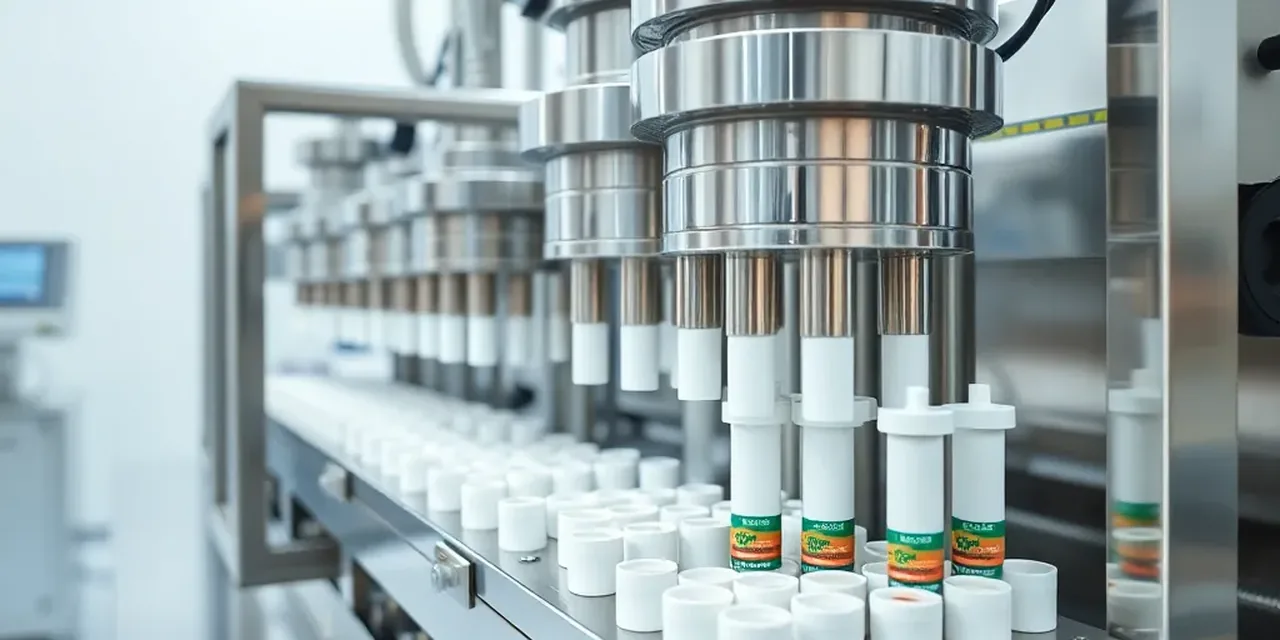
Tube Material Comparison
Plastic Tube vs Aluminum Tube Filling Machine
A tube packaging guide for cosmetic, oral care, pharmaceutical and industrial paste projects.
Short Answer
Plastic and laminate tubes usually use heat or ultrasonic sealing. Aluminum tubes use fold-crimp sealing. The filling section may look similar, but the tail sealing station is the key difference.
What this comparison usually means
This comparison usually appears when buyers know they need tube packaging but are not sure whether the tube material changes the machine. It does, mainly at sealing, coding and tube orientation.
- Use the comparison to route the buyer to the right product family before discussing price.
- Confirm product behavior, container format, closure and target output before a model is selected.
- Treat broad terms as an RFQ starting point, not as a finished technical specification.
Configuration differences to verify
Plastic and laminate tubes require heat-seal, hot-air or ultrasonic sealing review. Aluminum tubes require mechanical folding and crimping review. Both routes should check tube diameter, length, fill volume, product viscosity and orientation marks.
- Dosing principle, filling head count and automation level should follow the product and container.
- Closure handling, conveyor layout, weighing, dust control or safety modules often change the real scope.
- If the project covers several SKUs, confirm changeover and cleaning before comparing suppliers.
Planning range for first review
Source records support tube filling around 8 ml to 250 ml, tube diameter around 10 mm to 50 mm, tube length around 50 mm to 200 mm and typical speeds around 20 to 30 tubes per minute for referenced configurations.
- Use these ranges for first screening only; final values depend on the confirmed model and technical agreement.
- Avoid publishing unverified price or competitor benchmark data in the buyer-facing RFQ conversation.
Common RFQ risk to avoid
The common mistake is sending only fill volume without tube material. The wrong sealing assumption can make a quotation unusable.
- Do not ask for a machine name alone; include product, container, closure and target output.
- Do not compare quotations until the supply boundary is clear: filling only, complete line, documents, spare parts and commissioning support.
Selection Points
RFQ Checklist
| 1 | Tube material: plastic, laminate or aluminum. |
| 2 | Tube diameter, length, fill volume and cap style. |
| 3 | Product type and viscosity: cream, ointment, gel, toothpaste or adhesive. |
| 4 | Seal type, date coding position and orientation mark. |
| 5 | Target tubes per minute and desired automation level. |
Common Buyer Questions
Can one tube filling machine handle plastic and aluminum tubes?
Some platforms can be configured for multiple tube materials, but sealing tooling differs. Confirm the tube material mix before quotation.
What is the main difference between plastic and aluminum tube sealing?
Plastic or laminate tubes are typically heat or ultrasonic sealed. Aluminum tubes are folded and crimped mechanically.
Should I send tube samples?
Yes. Tube samples help confirm diameter, length, wall behavior, cap fit and sealing quality.
Related Products
Related Guides
Need a clearer filling machine quotation?
Send the product name, container details, output target and required modules. HEMUfill will route the inquiry to the right filling machine configuration.
Send RFQ Details