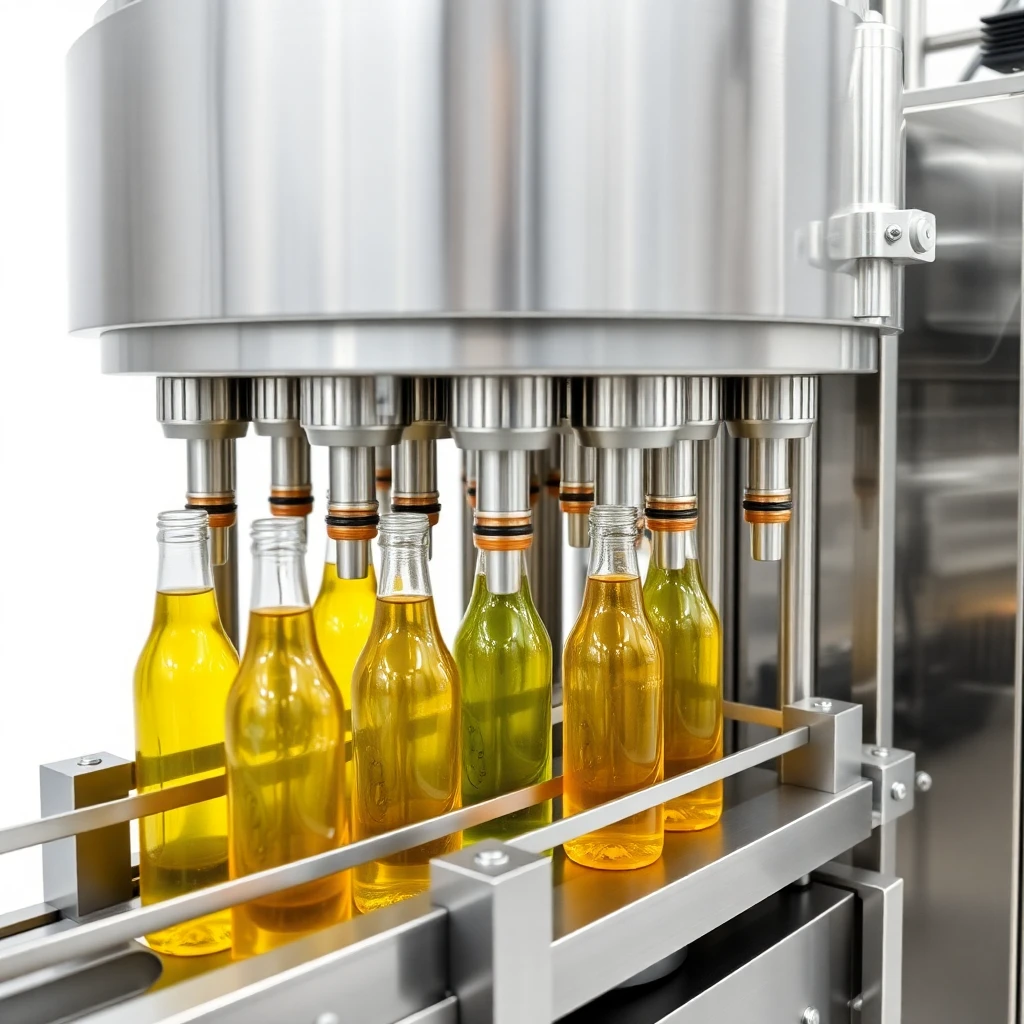
Commercial bottle filler line with filling heads and bottle conveyor

Commercial bottle filling line scope

Commercial Bottle Filler

Commercial bottle filler guidance for buyers moving beyond hand filling or small-batch filling. Compare semi-automatic stations, conveyor-fed automatic fillers and fill-cap-label line scope by bottle format, liquid behavior, output target and changeover needs.

Bottle first
Format review
Fill-cap
Line boundary
2-16
Head-count range
RFQ
Sample-led quote

When a Commercial Bottle Filler Is the Right Search

This page is for procurement teams comparing real production equipment, not hobby bottling tools. The useful decision is usually not the word commercial itself, but the boundary between a compact filler, an automatic bottle filler and a bottle filling line.

1

You are replacing hand filling

If operators are filling bottles by hand, the first comparison is usually semi-automatic piston filling versus a conveyor-fed automatic filler. Output target, labor cost and changeover frequency decide the first practical step.


2

The quote must include bottle handling

Commercial bottle projects often need bottle infeed, guide rails, no-drip nozzles, capping, labeling, coding or checkweighing. These items change cost more than the filler body alone.

3

Multiple bottle formats are expected

PET, HDPE, glass and aluminum bottles can use different guides, nozzles and cap-handling parts. A good RFQ names the bottle size range, bottle shape and cap type before asking for price.

Commercial Bottle Filler Scope Comparison

Use the comparison below to separate a small production filler from a commercial automatic line. It keeps supplier quotes comparable and prevents a low filler-only price from hiding downstream costs.

ConfigurationBest fitKey inputsQuote boundary
Semi-automatic piston fillerStartup batches, samples, pilot productionLiquid type, fill range, bottle mouth, operator workflowStandalone filler, usually manual bottle placement
Conveyor-fed bottle fillerRecurring production with steady bottle flowBottle stability, fill heads, output target, changeover planFiller, conveyor, guide rails and no-drip filling scope
Fill-cap-label lineCommercial retail bottles with closure and label needsCap type, torque, label format, coding and reject logicFilling, capping, labeling, coding and integration review
Automatic line expansionGrowing SKU set or higher daily volumeFuture bottle sizes, spare head count, utility and layout limitsUpgrade path, commissioning boundary and spare-parts package

RFQ preparation

Commercial Bottle Filler Quote Inputs

A bottle filler can mean a benchtop unit, a semi-automatic station or a commercial automatic bottle filling line. These inputs make the quote match the bottle, closure and production stage.

Send Project Details
1

Bottle samples

Bottle material, diameter, height, mouth size, shape, stability, label area and whether photos, drawings or physical samples are available.

2

Liquid and dosing

Liquid type, viscosity, foaming, particles, fill volume range, accuracy target and preferred piston, flow-meter, gravity or net-weight method if known.

3

Closure and downstream

Cap type, torque target, pump or trigger sprayer need, label type, date coding, checkweighing and packing expectations.

4

Commercial stage

Startup, pilot, commercial production or expansion; current bottleneck, daily target, operator count and destination market requirements.

Commercial Bottle Filler FAQ

What makes a bottle filler commercial?v
In purchasing terms, commercial usually means the filler can support repeatable production, operator safety, stable bottle handling and documented changeover. It may still be semi-automatic. The key is whether the equipment fits the bottle, closure, output and cleaning requirements of a revenue-producing line.
Should I buy a semi-automatic or automatic commercial bottle filler?v
Choose semi-automatic when volume is still batch-based, operators can load bottles manually and floor space is limited. Choose automatic when the production target requires continuous bottle flow, capping or labeling integration, or when labor cost and fill consistency are already bottlenecks.
Does a commercial bottle filler include capping and labeling?v
Not always. Some quotes include only the filler; others include conveyor, capper, labeler, coder and reject devices. Ask suppliers to separate filling-only, fill-cap and fill-cap-label line scope so price comparison is fair.
What bottle information is needed before quotation?v
Send bottle material, bottle shape, diameter, height, mouth size, cap type, fill volume range, target output and photos or samples if available. If the bottle is unstable, oval or non-round, bottle handling should be reviewed before a final quote.
Can one commercial bottle filler run different liquids?v
Often yes, if the fill principle, seals, nozzle type and cleaning method match the full product range. Thin liquids, oils, sauces, lotions and chemicals may require different dosing methods or product-contact materials, so the RFQ should list every product family expected on the line.

Prepare a Commercial Bottle Filler Quote

Send bottle photos, cap type, liquid data, fill range and target output. HEMUfill can review whether the project should start with a compact filler, an automatic bottle filler or a fill-cap-label line.

Scan to add HEMUfill on WeChat

扫码添加微信
WeChat Contact