What Makes A Filling Line Smart?
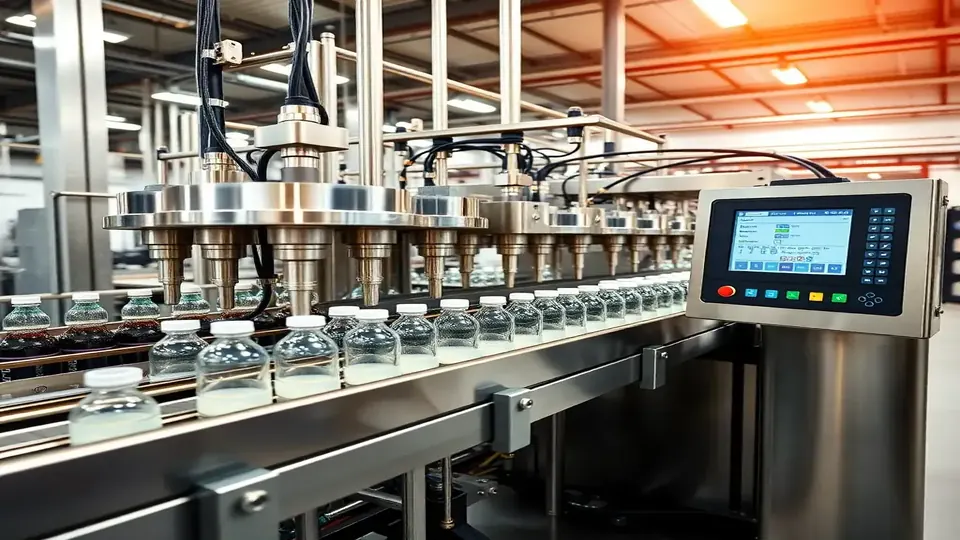
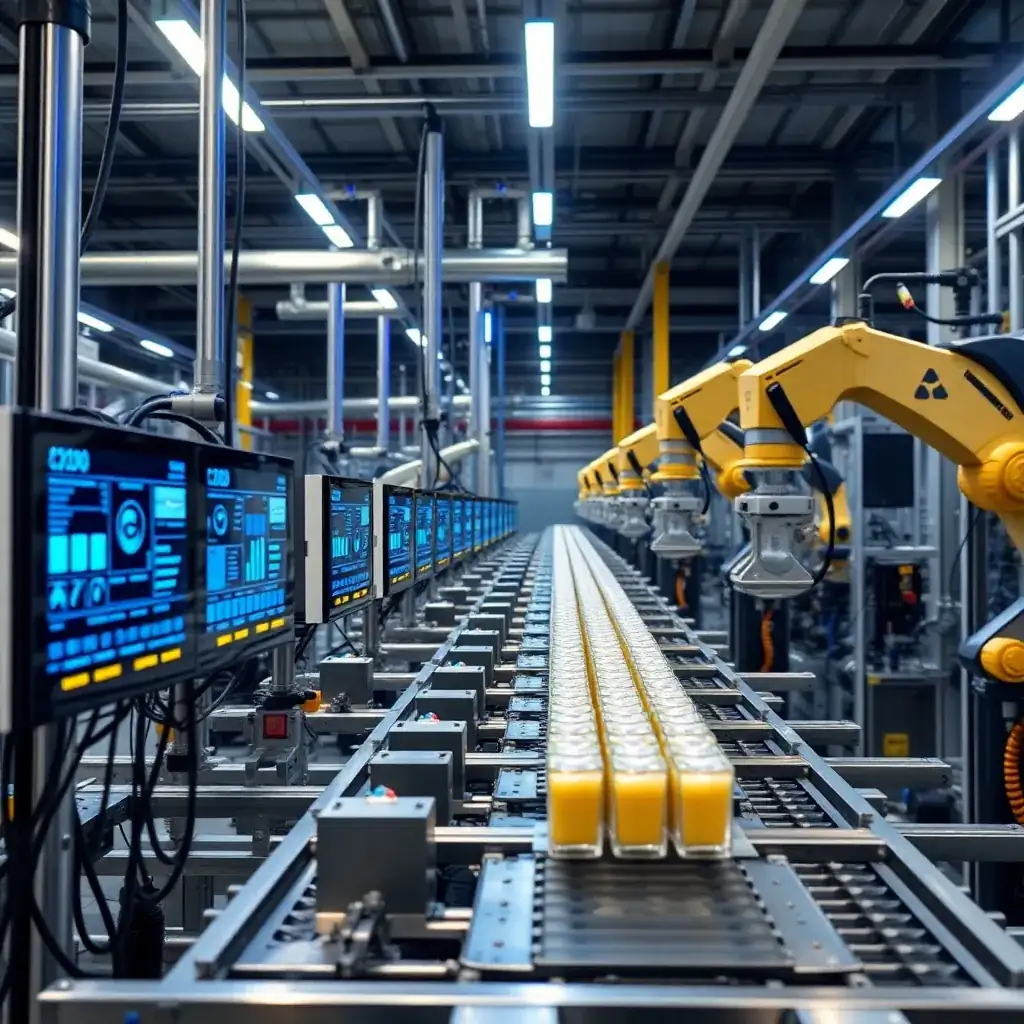
A smart filling line uses sensors, PLC data, HMI recipes and production records to help the plant see what is happening before small issues become downtime, giveaway, rejected containers or unsafe operation. For filling equipment, Industry 4.0 should be judged by practical plant outcomes: stable fill weight, faster troubleshooting, traceable batches and easier maintenance planning.
Data Points Worth Monitoring
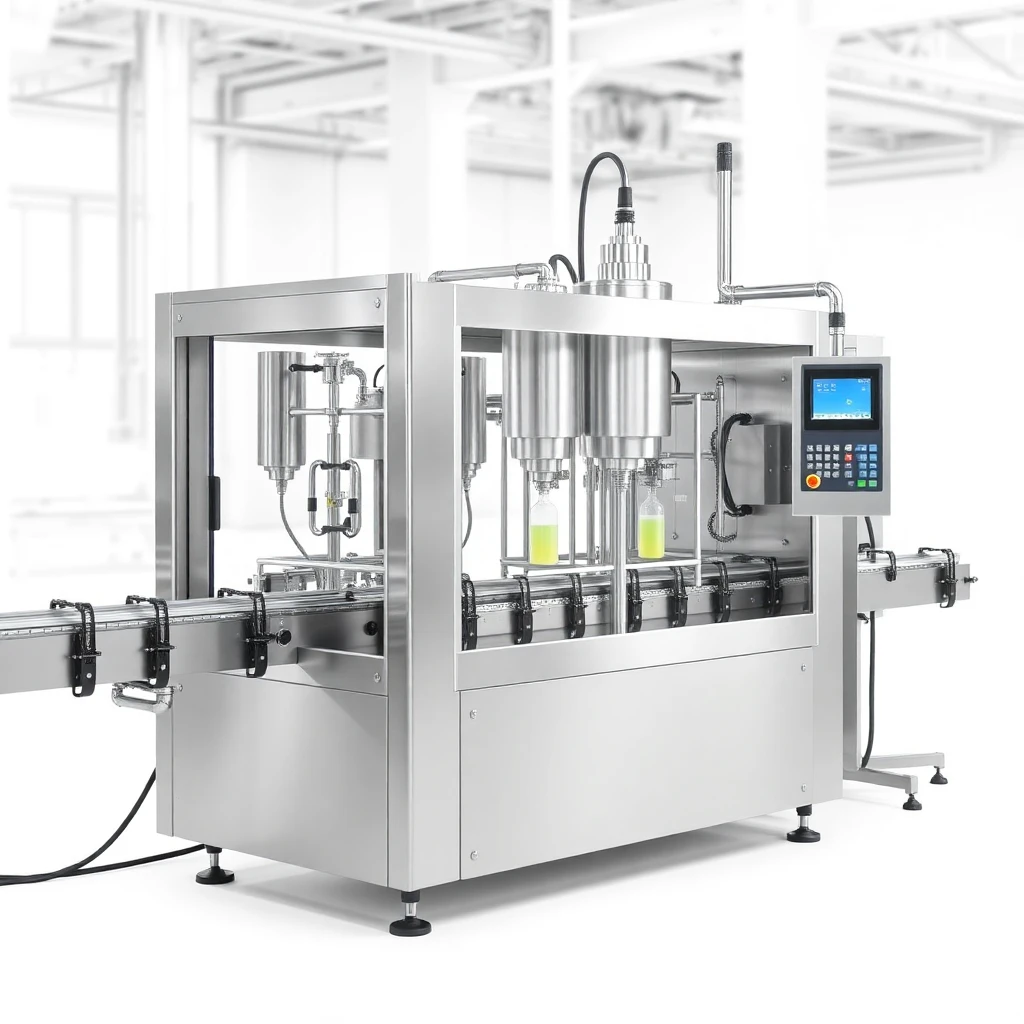
Not every signal deserves a dashboard. Start with the data that helps operators act. For liquid, powder, drum or IBC filling equipment, the most useful signals are the ones connected to accuracy, stoppage reason, recipe control, safety and maintenance.
| Data point | Procurement value | Typical action |
|---|---|---|
| Fill weight or volume trend | Finds drift before giveaway or underfill becomes a batch problem. | Check nozzle, pump, weighing calibration or product temperature. |
| Alarm history | Shows repeated causes instead of relying on operator memory. | Prioritize mechanical adjustment, sensor replacement or training. |
| Recipe change record | Improves changeover discipline across SKUs and shifts. | Lock approved settings and review unauthorized edits. |
| Cycle time and stop reason | Identifies whether the bottleneck is filling, capping, labeling or container handling. | Improve layout before buying unnecessary speed. |
| Maintenance counters | Connects service tasks to actual machine use. | Schedule cleaning, lubrication, calibration and wear-part checks. |
From Monitoring To Predictive Maintenance
Predictive maintenance does not start with a complex algorithm. It starts with clean history: operating hours, cycles, alarms, cleaning intervals, calibration results and spare-part replacement. When those records are stable, the plant can compare normal and abnormal behavior and plan maintenance before the line stops during a production shift.
Recipe And Batch Traceability
For plants filling many SKUs, recipe control is often the first smart-line feature with measurable value. Approved recipes reduce manual setting errors, while batch records help confirm what product, container, target weight, operator and alarm events were involved in a production run. This is especially useful for food, cosmetic, chemical and high-value liquid filling projects.
Integration Questions To Ask Suppliers
Before buying a smart filling line, ask what data is available from the PLC, whether the HMI supports recipe authority levels, how alarm history is exported, whether Ethernet or fieldbus integration is possible, and which data points can be connected to MES or plant reporting. Avoid paying for a large dashboard before confirming that the machine can provide reliable signals.
When A Smart Line Is Worth The Investment
Smart monitoring is most valuable when the plant runs multiple shifts, handles high-value products, has frequent SKU changeover, needs batch traceability or has a high cost of downtime. For a small manual station, a simpler HMI recipe and maintenance checklist may be enough. For related equipment, review inline filling systems, automatic liquid filling machines and the maintenance checklist.
Smart Filling Line FAQ
- Do I need MES integration from day one? Not always. Many plants begin with PLC/HMI data, recipe control and exported alarm records, then connect MES after the workflow is stable.
- Can old equipment be upgraded? Sometimes. It depends on the controller, sensor availability, electrical space and whether the mechanical system is worth upgrading.
- Which KPI should be tracked first? Start with fill accuracy trend, downtime reason, rejected containers, changeover time and planned maintenance completion.