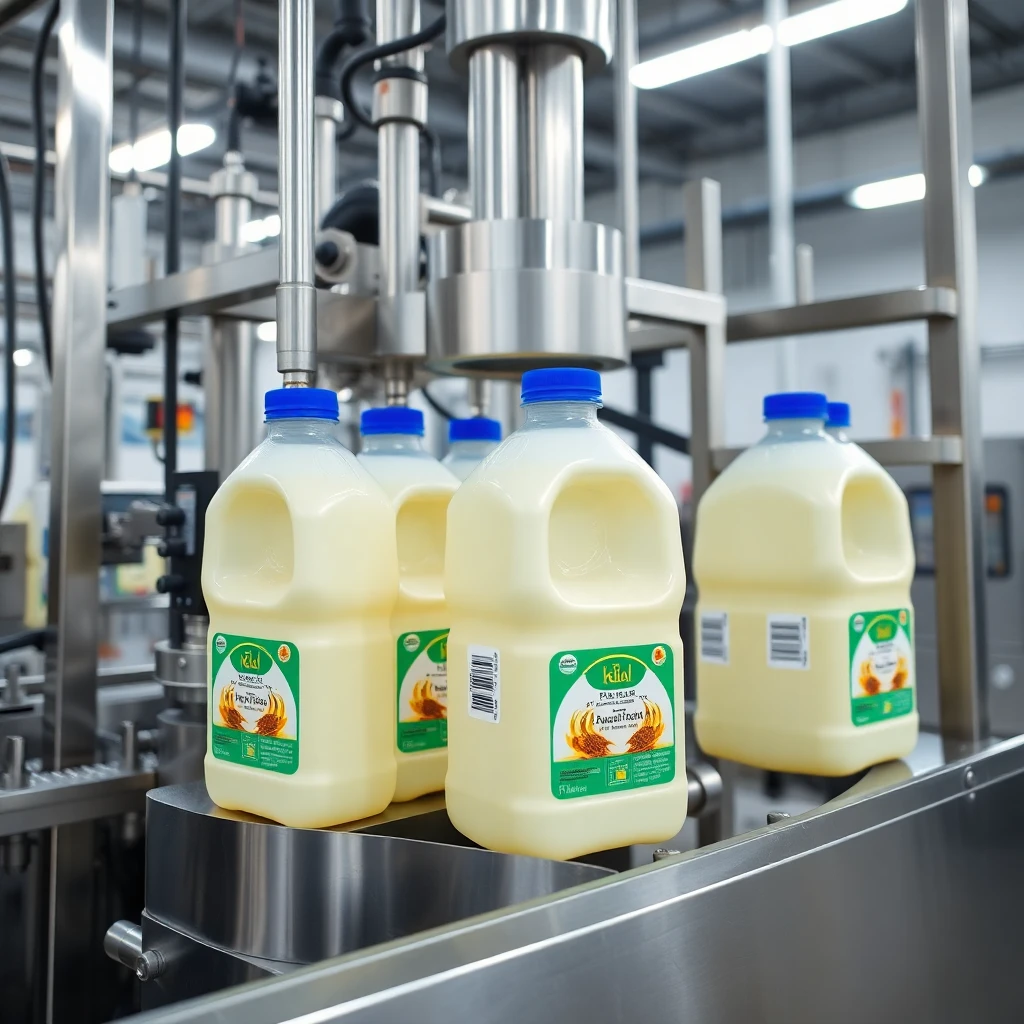
Palm Oil Filling
Palm Oil Filling Machine Heating Guide
A buyer guide for palm oil and higher-viscosity edible oil projects where temperature and flow behavior affect filling quality.
Short Answer
Palm oil filling should be reviewed for temperature, flow behavior and container format before a machine is selected. If the oil thickens in the factory environment, the project may need heated storage, heated hopper, jacketed piping, controlled nozzles or slower filling logic to keep filling stable.
Temperature changes the filling problem
Palm oil and some blended edible oils can change flow behavior with temperature. A line that fills well when the oil is warm may slow down, drip or fill unevenly when the product cools. The first review should include product temperature at storage, transfer and filling.
Heating should be planned as a system
Heating is not only a hopper option. The practical review may include tank outlet, transfer pump, piping, hopper, filling valve, nozzle and downtime procedure. Uncontrolled hot spots or cold sections can both create production problems.
- Share whether the oil arrives warm, is heated in a tank or is filled at room temperature.
- Confirm whether the line stops often during production.
- Ask how the supplier prevents cold material from staying in pipes or nozzles.
Container format still matters
Palm oil can be packed in bottles, tins, pouches or larger containers. Each format changes filling head count, filling height, nozzle design, capping or sealing and the required output. Heating review should be combined with container review.
Avoid generic palm oil machine pricing
A useful quotation should state which parts are heated or jacketed, how temperature is controlled, what container range is supported and what output is expected. A generic price without product and temperature review is usually not enough.
Selection Points
RFQ Checklist
| 1 | Palm oil type, blend if any and whether the product is liquid, semi-solid or temperature-sensitive. |
| 2 | Product temperature at storage, transfer and filling if known. |
| 3 | Container format, size range, opening size and cap or sealing method. |
| 4 | Target output and whether the line has frequent stops or changeovers. |
| 5 | Which parts the buyer expects to heat: tank, hopper, pipe, pump, valve or nozzle. |
Common Buyer Questions
Does every palm oil filling machine need heating?
Not every project needs the same heating configuration. The decision depends on oil behavior, factory temperature, transfer distance, container format and stoppage time. Share the process condition so the heating scope can be reviewed.
Can palm oil be filled into bottles and pouches on one machine?
Bottle filling and pouch filling usually use different handling and sealing systems. The product may be similar, but the packaging format can require different equipment.
What is the main risk in palm oil filling?
The main risk is unstable flow caused by temperature or viscosity change. This can lead to slow filling, dripping, inconsistent fill target or material staying in pipes and nozzles.
Related Products
Related Guides
Need a clearer filling machine quotation?
Send the product name, container details, output target and required modules. HEMUfill will route the inquiry to the right filling machine configuration.
Send RFQ Details