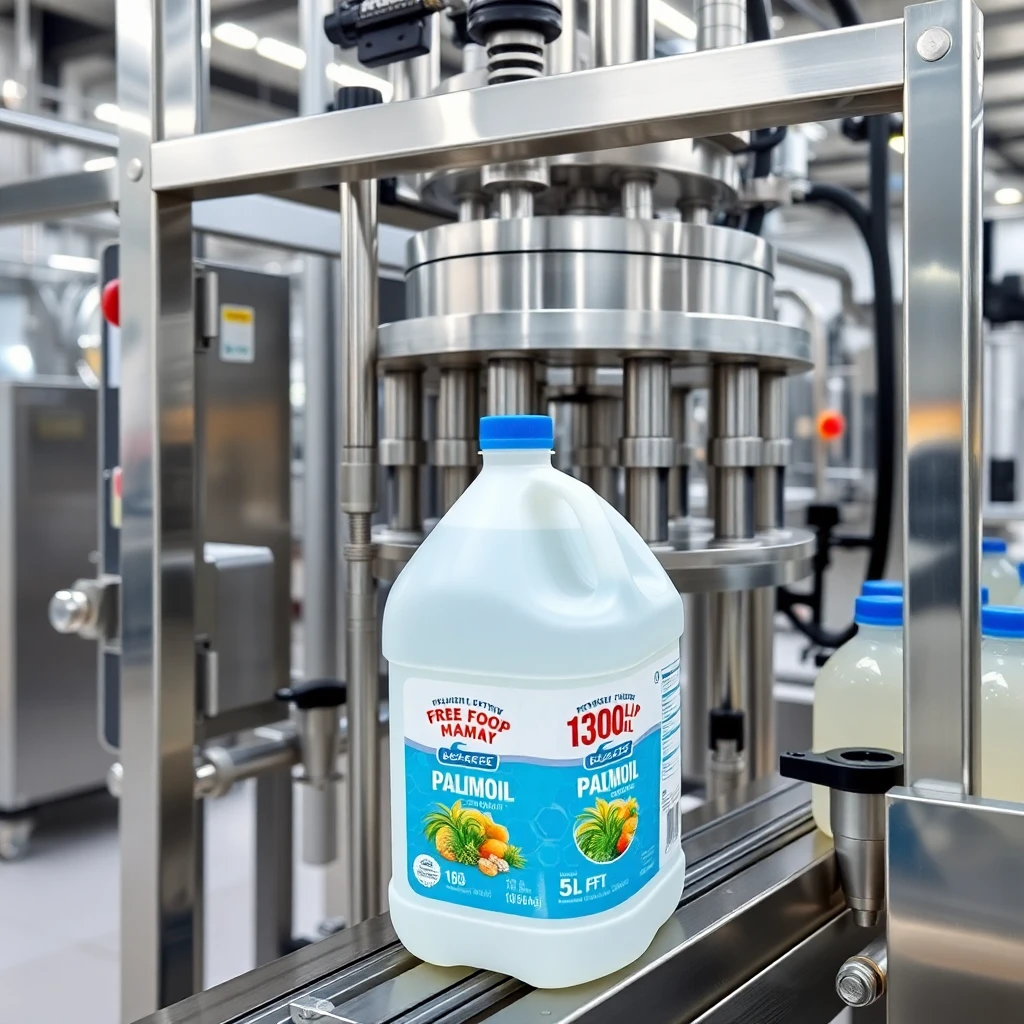
Edible Oil Changeover
Edible Oil Filling Line Cleaning and Changeover Guide
A practical guide for edible oil producers running several bottle sizes, oil types or cap formats on one packaging line.
Short Answer
Edible oil filling line changeover should review oil type, bottle or tin format, cap tooling, label position, cleaning method and operator workflow. The goal is not only speed, but stable sanitation and repeatable startup after each SKU change.
Buyer intent behind this search
This search is usually from a food oil plant that already understands the product but needs to reduce downtime between bottle sizes, oils or closures.
- Use the page when the buyer already knows the product family but still needs scope routing.
- Confirm product behavior, container, closure and output before comparing model names.
- Route broad search demand toward a specific RFQ checklist instead of a generic product page.
Configuration details to confirm first
Review contact material, oil temperature, residual oil drainage, bottle guides, cap sorting, capping torque, label position and cleaning access. Changeover time depends on both filler settings and downstream modules.
- Dosing method, filling head count, contact material and nozzles depend on the product and container.
- Closure handling, labeling, coding, weighing, dust control or safety modules can change the real line scope.
- If one line must handle several SKUs, changeover and cleaning should be reviewed before price comparison.
What should be included in the line scope
A changeover-ready edible oil line may include filling, cap feeding, capping, labeling, coding, conveyors and collection. Tooling, guide rails and recipe notes should be included in the discussion.
- Separate filling-only requests from complete filling, capping, labeling, coding and conveying requests.
- Include operator access, utilities, spare parts, documentation and commissioning expectations in the first review.
- Do not compare quotations until the supply boundary and acceptance items are written clearly.
Common mistake to avoid
The common mistake is reviewing only filling accuracy. If caps, labels or conveyors need slow manual adjustment, the complete line can still lose production time.
- Avoid requesting only a machine name without the product and package details.
- Avoid publishing fixed prices or unverified capacity claims before the final technical agreement.
Selection Points
RFQ Checklist
| 1 | Oil types, cleaning expectation and whether flavor or allergen carryover matters. |
| 2 | All bottle, tin or pouch sizes and cap formats planned for the same line. |
| 3 | Target changeover frequency and acceptable downtime. |
| 4 | Labeling, coding and packing modules included in the line. |
| 5 | Food-contact material and documentation requirements. |
Common Buyer Questions
Does edible oil filling need CIP?
Not every project needs the same cleaning method. The cleaning plan should follow oil type, food safety expectation, line design and local acceptance requirements.
Can one edible oil line fill several bottle sizes?
Often yes, but guide rails, filling heads, cap tooling, labels and recipes need review. Share the smallest and largest containers early.
What affects edible oil line changeover most?
Container guides, cap handling, label position, cleaning access and operator setup time often matter as much as the filler itself.
Related Products
Related Guides
Need a clearer filling machine quotation?
Send the product name, container details, output target and required modules. HEMUfill will route the inquiry to the right filling machine configuration.
Send RFQ Details