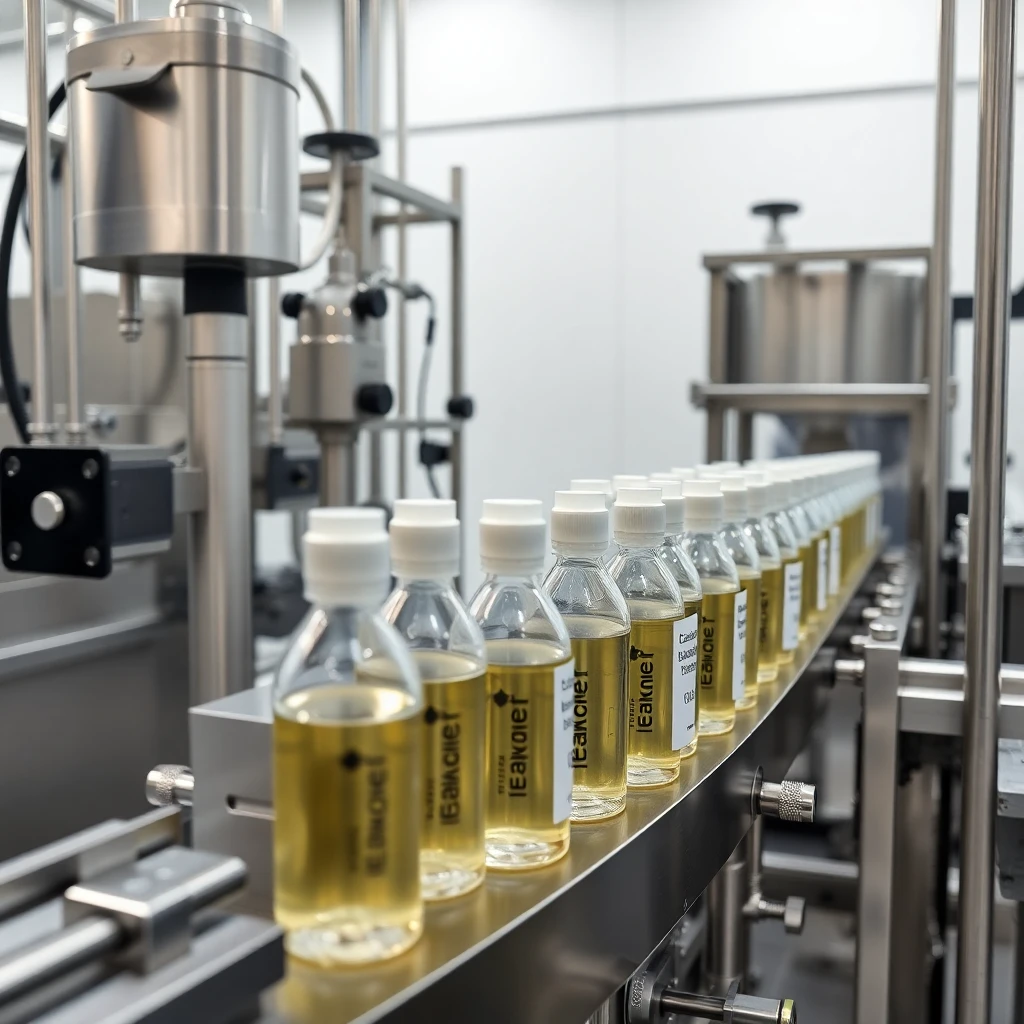
Cosmetic Bottle Guide
Cosmetic Bottle Filling Machine Selection Guide
A buyer guide for serum, toner, lotion, skincare oil and cosmetic bottle filling projects.
Short Answer
A cosmetic bottle filling machine should be selected by product viscosity, bottle stability, fill volume, cap type and whether pump or sprayer assembly is included. Bottle photos and cap samples are often more useful than a generic machine name.
What this buyer search usually means
This search is usually from a cosmetics buyer filling serum, toner, lotion, skincare oil or low-viscosity product into glass, PET or pump bottles. The decision is about bottle handling and dosing method as much as the filler itself.
- Use this page when the project is about cosmetic bottle filling machine rather than a generic filling machine request.
- Confirm the product, container, closure and output target before comparing machine price.
- Route uncertain projects to engineering review instead of forcing a fixed model too early.
Configuration points to compare
Review bottle infeed, anti-drip nozzles, piston or peristaltic dosing, pump or spray-cap placement, torque control and label clearance. Small cosmetic bottles may need careful guides and timing to avoid tipping.
- Dosing method and filling head count should follow the product behavior and target speed.
- Container handling, cap or closure method and conveyor layout often change the real scope.
- Cleaning, changeover, documentation and spare-part needs should be included in the early RFQ.
Useful parameter range for first review
HEMUfill source records support cosmetic bottle filling ranges such as 5 ml to 500 ml, typical accuracy around +/-0.3%, and 20 to 80 bottles per minute depending on volume, container and module scope.
- Use ranges for early planning; final values depend on the chosen model and technical agreement.
- If a parameter is uncertain, ask HEMUfill to confirm it during quotation instead of publishing it as a fixed promise.
Common mistake to avoid
The common mistake is ignoring the cap. A bottle that fills well may still fail in production if the pump, sprayer or screw cap is difficult to orient, press or torque consistently.
- Do not judge only from the machine name; the same keyword can hide different containers and automation levels.
- Do not compare quotations until the supply boundary is clear: filling only, complete line, spare parts, documents and commissioning support.
Selection Points
RFQ Checklist
| 1 | Product type: serum, toner, lotion, oil, gel or mixed SKU family. |
| 2 | Bottle volume, material, dimensions and neck finish. |
| 3 | Cap, pump, sprayer or dropper type with photos or samples. |
| 4 | Target output per minute and acceptable changeover time. |
| 5 | Whether filling, capping, labeling, coding and packing are included. |
Common Buyer Questions
Is peristaltic filling better for cosmetic bottles?
It can be useful for small-volume, clean or gentle dosing projects, but it is not automatically better. Product viscosity, output and accuracy target decide the method.
Can one line handle glass and PET bottles?
Often possible after guide and conveyor review, but bottle stability and cap handling must be checked. Send both bottle formats during RFQ.
What causes cosmetic bottle filling instability?
Typical causes are narrow bottle base, unsuitable guides, foam, dripping, wrong nozzle height or cap handling issues downstream.
Related Products
Related Guides
Need a clearer filling machine quotation?
Send the product name, container details, output target and required modules. HEMUfill will route the inquiry to the right filling machine configuration.
Send RFQ Details