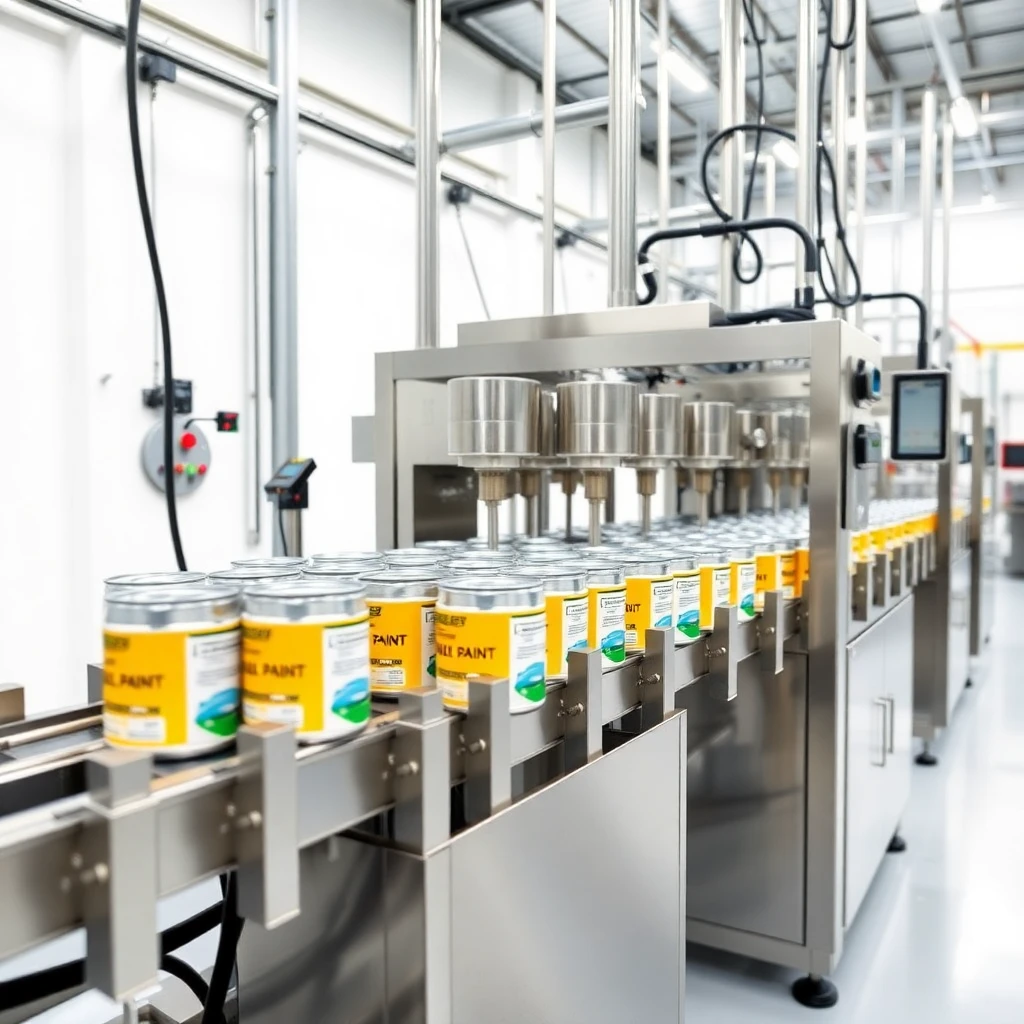
Chemical Filling Safety
Chemical Liquid Filling Machine Safety Guide
A safety and material review guide for chemical liquid bottle, pail, drum and IBC filling projects.
Short Answer
A chemical liquid filling machine should be reviewed by product hazard, corrosion, flammability, viscosity, container size and cleaning needs. Material and safety choices should be made before the machine price is compared.
What this buyer search usually means
This search usually comes from buyers filling solvents, acids, alkalis, resins, pesticides, cleaners or other industrial liquids. Product safety and material compatibility are the center of the decision.
- Use this page when the project is about chemical liquid filling machine rather than a generic filling machine request.
- Confirm the product, container, closure and output target before comparing machine price.
- Route uncertain projects to engineering review instead of forcing a fixed model too early.
Configuration points to compare
Review SUS316L, PP, PVDF or other material options, seal compatibility, anti-drip nozzles, exhaust, grounding, operator protection and spill control. Corrosive and flammable products should be routed differently.
- Dosing method and filling head count should follow the product behavior and target speed.
- Container handling, cap or closure method and conveyor layout often change the real scope.
- Cleaning, changeover, documentation and spare-part needs should be included in the early RFQ.
Useful parameter range for first review
HEMUfill source records include chemical liquid filling ranges from 1 L to 1000 L, accuracy around +/-0.2% for weighing configurations, and material options such as SUS316L, PP or PVDF subject to confirmation.
- Use ranges for early planning; final values depend on the chosen model and technical agreement.
- If a parameter is uncertain, ask HEMUfill to confirm it during quotation instead of publishing it as a fixed promise.
Common mistake to avoid
The common mistake is treating chemical liquid filling as ordinary liquid filling. Corrosion and safety requirements can change pump, seals, nozzles and electrical components.
- Do not judge only from the machine name; the same keyword can hide different containers and automation levels.
- Do not compare quotations until the supply boundary is clear: filling only, complete line, spare parts, documents and commissioning support.
Selection Points
RFQ Checklist
| 1 | Chemical name, SDS, viscosity, corrosion and flammability notes. |
| 2 | Container sizes and closure methods. |
| 3 | Required material: SUS316L, PP, PVDF or buyer-specified material. |
| 4 | Target accuracy, output and automation level. |
| 5 | Safety, ventilation, grounding, documentation and waste/spill handling needs. |
Common Buyer Questions
Can stainless steel handle all chemical liquids?
No. Material compatibility depends on the chemical. Some products may require SUS316L, PP, PVDF or special seals.
Why does HEMUfill ask for SDS?
The SDS helps review flammability, corrosion, operator safety and documentation needs.
Can one machine fill several chemicals?
Possibly, but compatibility, cleaning and cross-contamination risks must be reviewed for every product.
Related Products
Related Guides
Need a clearer filling machine quotation?
Send the product name, container details, output target and required modules. HEMUfill will route the inquiry to the right filling machine configuration.
Send RFQ Details