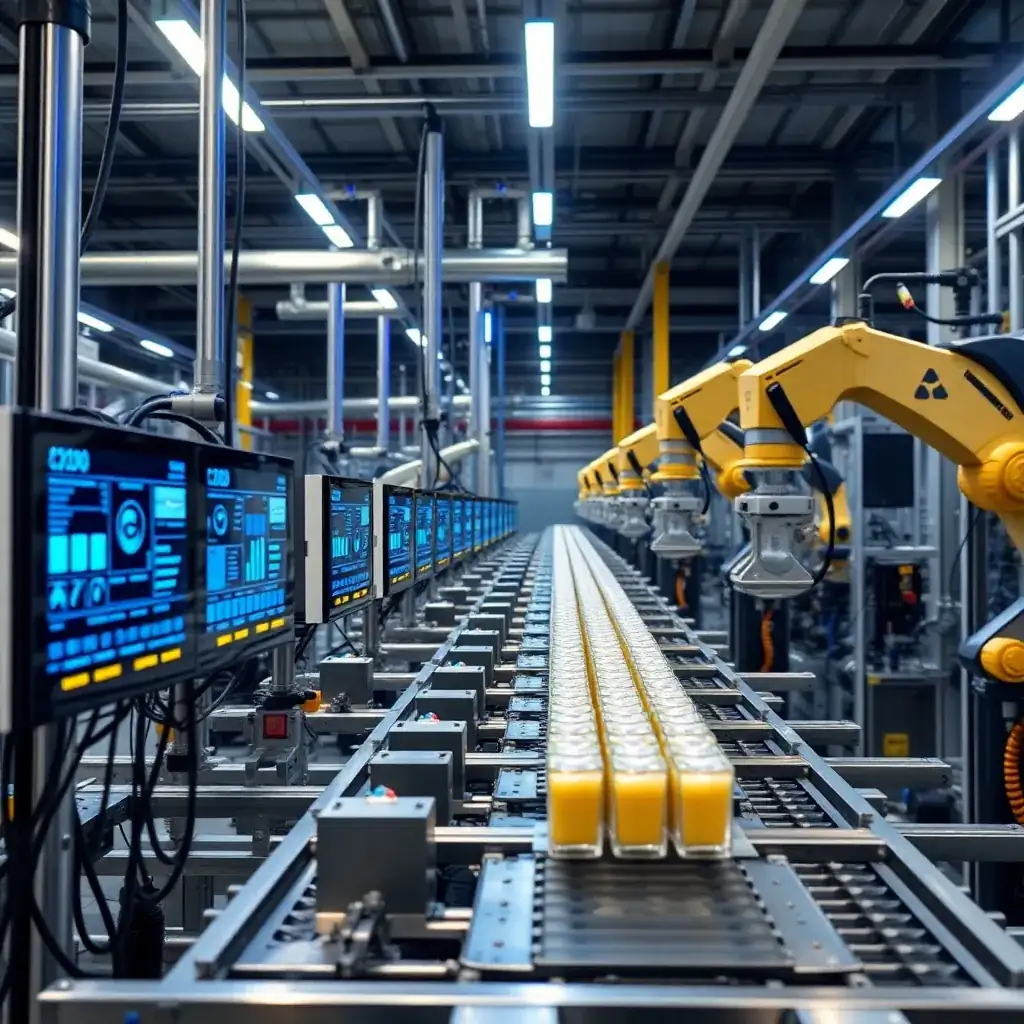
Why Preventive Maintenance Protects Filling Accuracy
Filling machine maintenance is not only about avoiding breakdowns. A poorly maintained nozzle, valve, weighing platform, hose, pump or sensor can create giveaway, underfill, leakage, rejected containers and unsafe operation. A good preventive schedule keeps the line stable before operators notice a quality issue.
Daily Checks Before Production
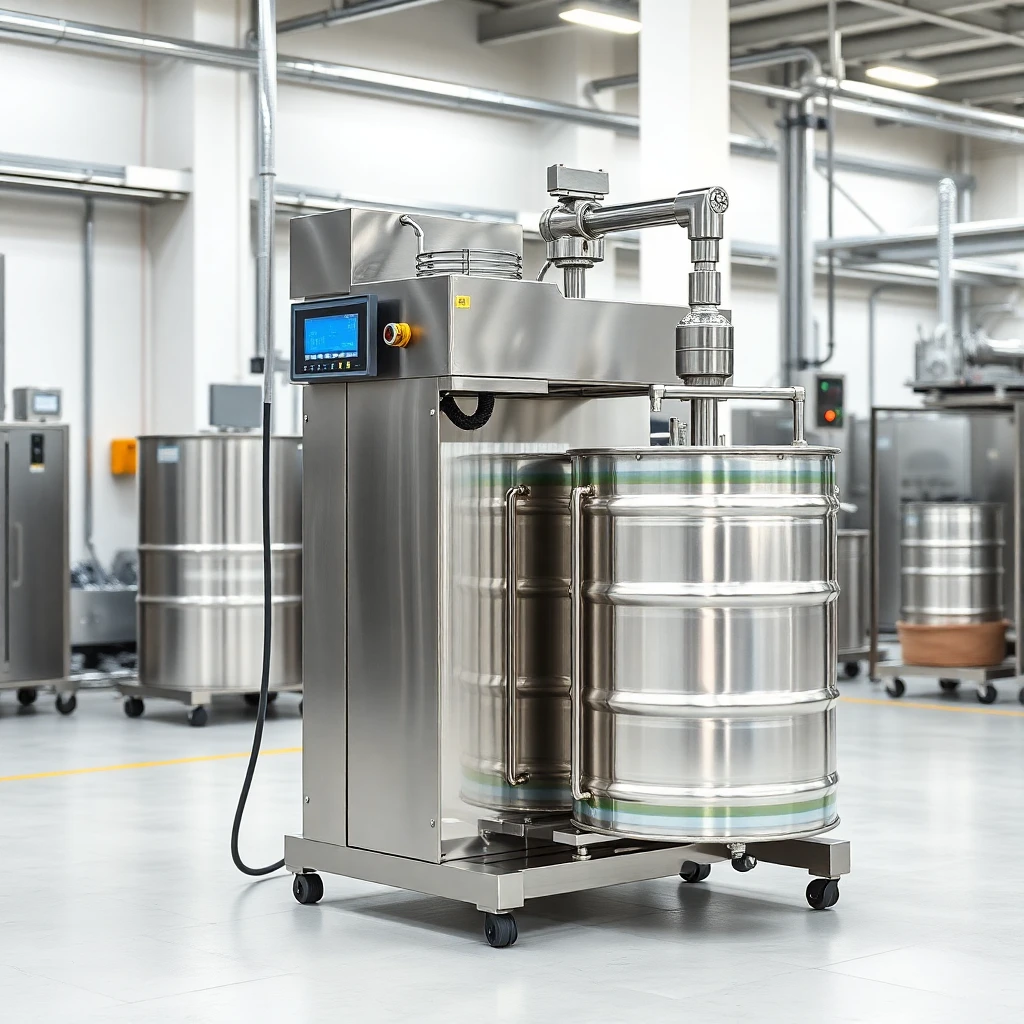
Daily checks should be short enough for operators to complete consistently. Focus on cleaning condition, leakage, emergency stop, grounding, air pressure, sensor status and whether the correct recipe or target weight is selected before the first container enters the line.
| Interval | Maintenance focus | Typical checks |
|---|---|---|
| Daily | Cleanliness and safe start-up | Nozzle, hose, drip tray, guards, emergency stop, grounding and recipe confirmation. |
| Weekly | Wear and adjustment | Valve response, conveyor tracking, clamps, seals, filters, air line and loose fasteners. |
| Monthly | Accuracy and controls | Weighing calibration, sensor alignment, pump condition, HMI alarm log and lubrication points. |
| Quarterly | Electrical and safety review | Cabinet ventilation, cable glands, grounding continuity and explosion-proof components when applicable. |
| Annual | Full system health review | Critical spare parts, software backup, mechanical wear, operator training and process improvement. |
Nozzle, Valve And Hose Maintenance
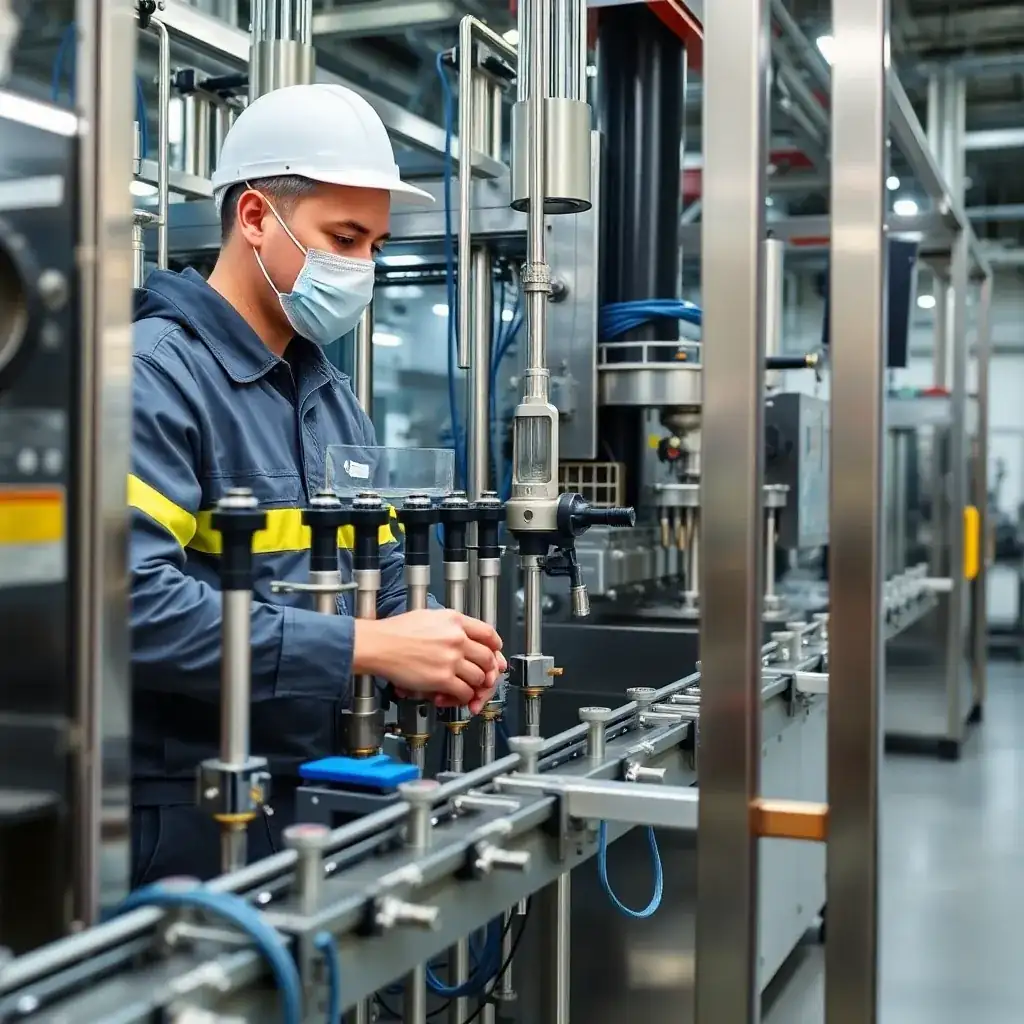
Most visible filling problems start near the product path. Check nozzles for residue, wear, blockage and dripping. Inspect valves for slow response or incomplete closing. Review hoses for swelling, cracking, compatibility and cleaning damage. For corrosive, solvent-based or food-contact products, confirm that contact materials match the product and cleaning chemical.
Weighing And Calibration
Net-weight filling depends on stable load cells, clean weighing platforms and proper calibration. Keep the platform free from product buildup, confirm there is no mechanical interference, and record calibration results. If fill weight drifts after a product change, review density, temperature, foam and settling behavior before adjusting the machine too aggressively.
Maintenance For Hazardous Or Powder Applications
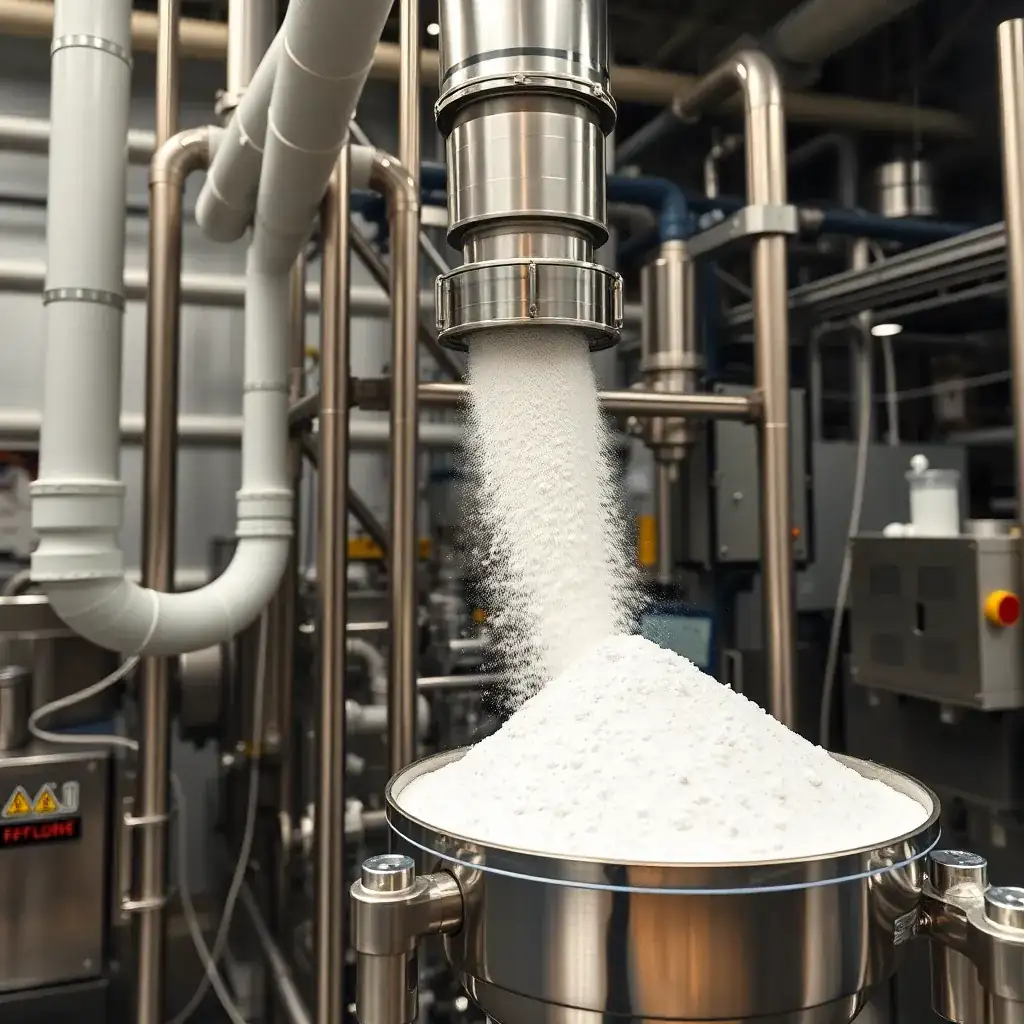
ATEX or explosion-proof filling equipment needs grounding, anti-static path, cable gland and enclosure checks according to the site safety procedure. Powder systems need dust collection, filter condition, hopper cleaning, screw wear and bag-clamp seal inspection. Do not mix maintenance routines across very different products without engineering review.
Spare Parts And Operator Training
Keep a practical spare-parts list for seals, nozzles, sensors, filters, hoses, pneumatic parts and product-contact wear parts. Train operators to report small changes: longer filling time, new dripping, abnormal noise, more rejects, unstable fill weight or repeated alarms. These early signals are often cheaper to fix than a production stop.
Maintenance FAQ
- How often should a filling machine be calibrated? Monthly checks are common for stable production, but high-value products, legal metrology or frequent changeover may require more frequent verification.
- What is the most common cause of dripping? Residue, worn seals, incorrect valve timing, unsuitable nozzle design or product foaming can all cause dripping.
- Should maintenance be based on calendar time or cycles? Use both. Calendar checks protect rarely used equipment, while cycle counters are better for wear parts on high-output lines.
For equipment-specific review, see liquid filling machines, drum filling machines and smart filling line monitoring.