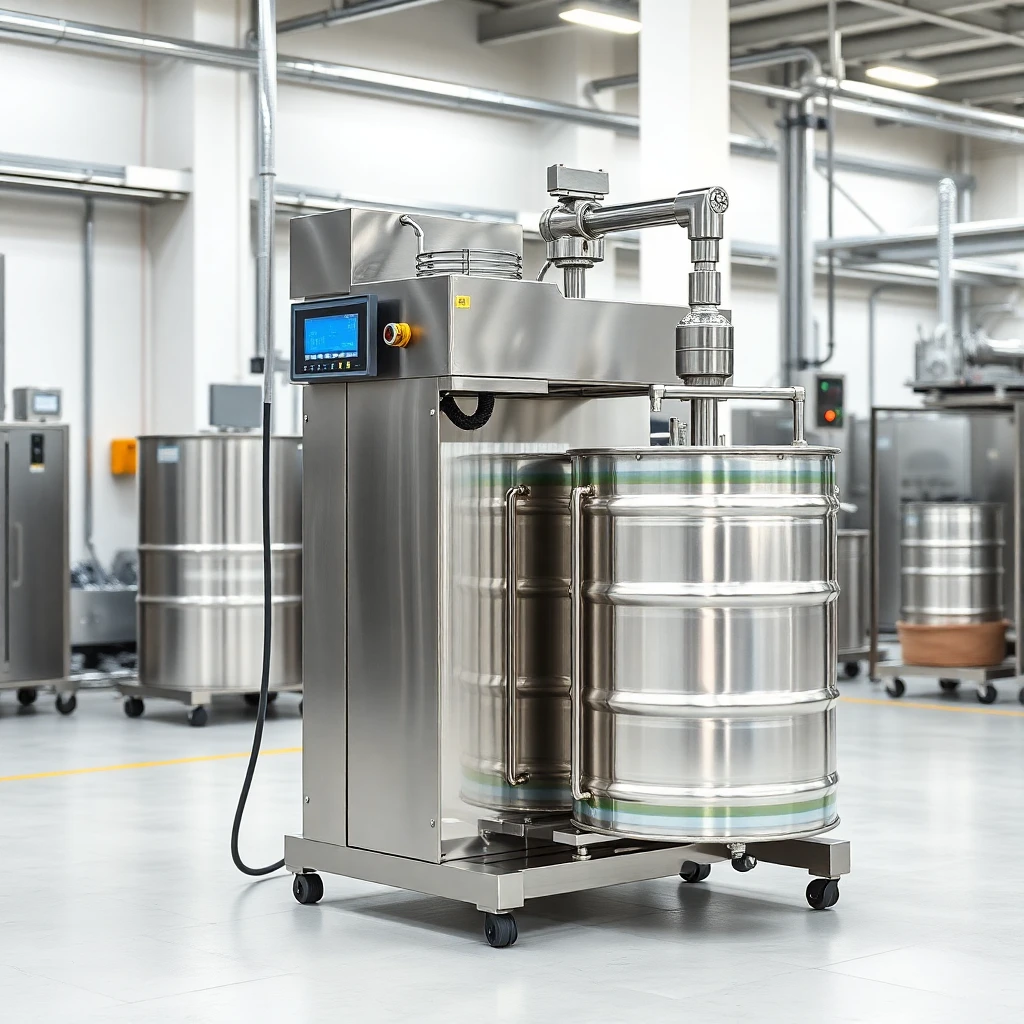
Drum Filling Guide
Drum Filling Machine Buying Guide
A procurement guide for 200 L steel drum filling, chemical drum filling and industrial lubricant drum stations.
Short Answer
A drum filling machine should be selected by drum size, product hazard, fill weight, accuracy target, pallet handling and operator access. A 200 L chemical drum station is a different project from a small retail pail filler.
What this buyer search usually means
This search usually comes from industrial plants filling paint, coating, lubricant, solvent, resin or chemical liquid into 200 L drums. The buyer needs weight accuracy, safe handling and clear operator workflow.
- Use this page when the project is about drum filling machine rather than a generic filling machine request.
- Confirm the product, container, closure and output target before comparing machine price.
- Route uncertain projects to engineering review instead of forcing a fixed model too early.
Configuration points to compare
Review net-weight filling, lance or top-fill design, drip tray, grounding, pallet position, bung alignment, operator platform and explosion-proof options. Drum handling and site layout often decide the final configuration.
- Dosing method and filling head count should follow the product behavior and target speed.
- Container handling, cap or closure method and conveyor layout often change the real scope.
- Cleaning, changeover, documentation and spare-part needs should be included in the early RFQ.
Useful parameter range for first review
HEMUfill source records support 200 L drum filling for industrial liquids, with source-backed accuracy references such as +/-0.1% on selected weighing systems and 30 to 80 drums per hour depending on configuration.
- Use ranges for early planning; final values depend on the chosen model and technical agreement.
- If a parameter is uncertain, ask HEMUfill to confirm it during quotation instead of publishing it as a fixed promise.
Common mistake to avoid
The common mistake is comparing only the filler while ignoring pallet handling, grounding, operator access and hazardous-area requirements.
- Do not judge only from the machine name; the same keyword can hide different containers and automation levels.
- Do not compare quotations until the supply boundary is clear: filling only, complete line, spare parts, documents and commissioning support.
Selection Points
RFQ Checklist
| 1 | Product name, hazard class, viscosity and temperature. |
| 2 | Drum size, bung type, pallet pattern and filling weight. |
| 3 | Target drums per hour and operating shifts. |
| 4 | Safety requirement: standard, ATEX, grounding or ventilation review. |
| 5 | Need for conveyors, roller tables, capping, weighing records or documentation. |
Common Buyer Questions
Is drum filling usually net-weight filling?
Net weight is common for drums because fill weight and container tolerance matter, but the final method depends on product and plant requirements.
Does a drum filling machine need explosion-proof design?
It depends on product flammability and site classification. Solvents and flammable chemicals should be reviewed for hazardous-area requirements.
What affects drum filling speed?
Fill volume, product flow, foaming, pallet handling, bung alignment, operator steps and safety controls all affect hourly output.
Related Products
Related Guides
Need a clearer filling machine quotation?
Send the product name, container details, output target and required modules. HEMUfill will route the inquiry to the right filling machine configuration.
Send RFQ Details