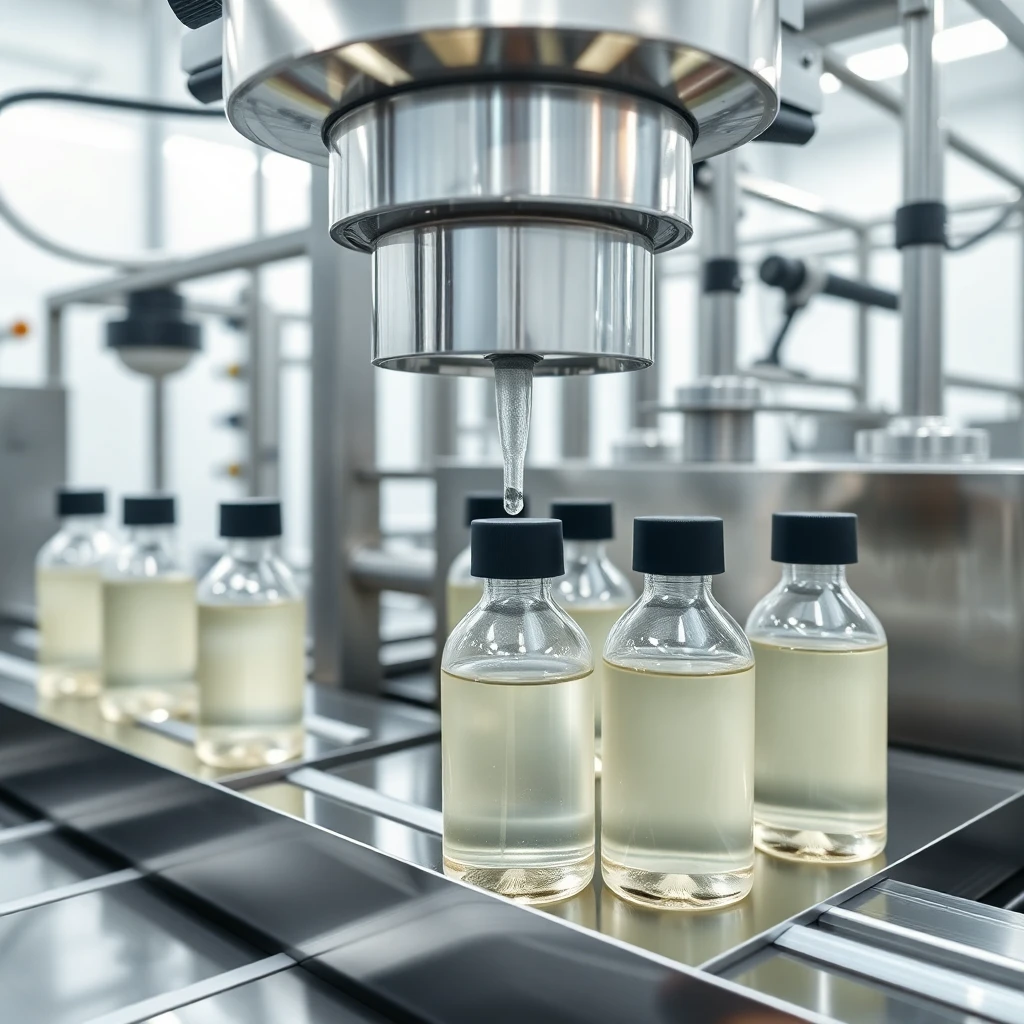
Cream Container Guide
Cream Filling Machine for Jars vs Bottles
A container-focused guide for skincare cream, lotion, gel and mask filling projects.
Short Answer
Jar filling usually needs wide-mouth positioning, clean cut-off and lid handling. Bottle filling usually needs neck alignment, anti-drip nozzles, pump or screw capping and steadier conveyor control.
What this comparison usually means
This search usually comes from skincare factories comparing jar packs, pump bottles and airless bottles. The product may be similar, but the container changes handling, filling height and closure scope.
- Use the comparison to route the buyer to the right product family before discussing price.
- Confirm product behavior, container format, closure and target output before a model is selected.
- Treat broad terms as an RFQ starting point, not as a finished technical specification.
Configuration differences to verify
Jar projects should review wide-mouth filling, nozzle diameter, splash control and lid application. Bottle projects should review bottle guides, neck opening, pump or cap feeding, capping torque and label placement.
- Dosing principle, filling head count and automation level should follow the product and container.
- Closure handling, conveyor layout, weighing, dust control or safety modules often change the real scope.
- If the project covers several SKUs, confirm changeover and cleaning before comparing suppliers.
Planning range for first review
For cream and similar viscous products, source records support planning around 10 ml to 5000 ml, piston or servo filling, SUS304 or SUS316L contact parts and accuracy around +/-0.5% to +/-1% depending on configuration.
- Use these ranges for first screening only; final values depend on the confirmed model and technical agreement.
- Avoid publishing unverified price or competitor benchmark data in the buyer-facing RFQ conversation.
Common RFQ risk to avoid
The common mistake is assuming a jar filling quotation can be reused for bottles. Bottle neck size, pump caps and conveyor stability can change the layout and cost.
- Do not ask for a machine name alone; include product, container, closure and target output.
- Do not compare quotations until the supply boundary is clear: filling only, complete line, documents, spare parts and commissioning support.
Selection Points
RFQ Checklist
| 1 | Cream, gel, mask or lotion type and expected viscosity. |
| 2 | Jar or bottle photos, opening size, volume and closure type. |
| 3 | Target output and SKU changeover frequency. |
| 4 | Filling accuracy target and whether heating or mixing is needed. |
| 5 | Whether lid placement, capping, labeling or coding should be included. |
Common Buyer Questions
Is jar filling easier than bottle filling?
Not always. Jars may be easier to access, but thick cream cut-off, lid handling and clean presentation still need careful review.
Can the same cream filler run jars and bottles?
Often possible if guides, nozzles and settings are planned for both formats. The final answer depends on opening size and closure requirements.
When should I ask for a servo piston filler?
Ask for servo review when fill volume repeatability, recipe storage or frequent changeover matters more than a basic manual adjustment.
Related Products
Related Guides
Need a clearer filling machine quotation?
Send the product name, container details, output target and required modules. HEMUfill will route the inquiry to the right filling machine configuration.
Send RFQ Details