Drum Filling vs IBC Filling: A Complete Comparison
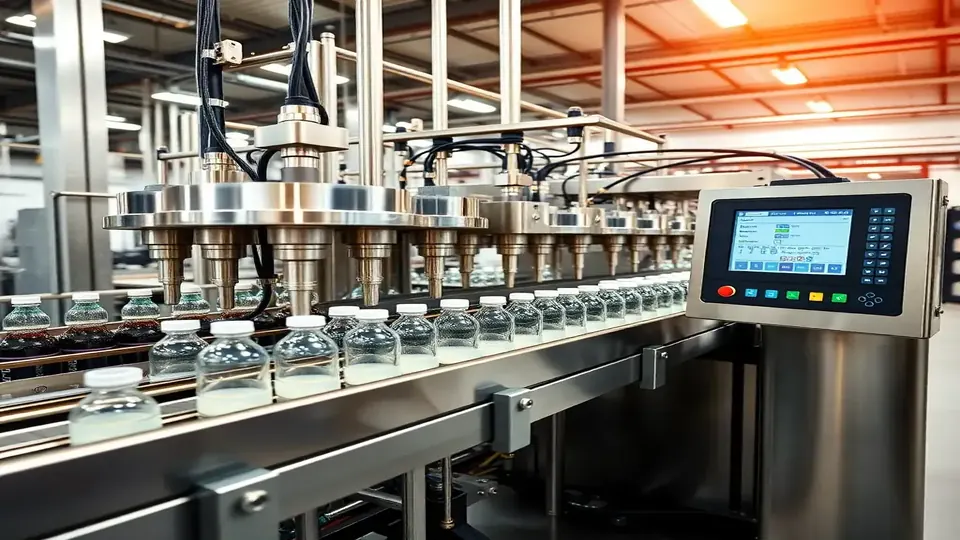
Choosing between 200L drum filling machines and IBC tote filling systems depends on your package format, production volume, product behavior, safety zone and logistics chain. The right decision is usually made by combining filling accuracy, container handling and downstream warehouse flow.
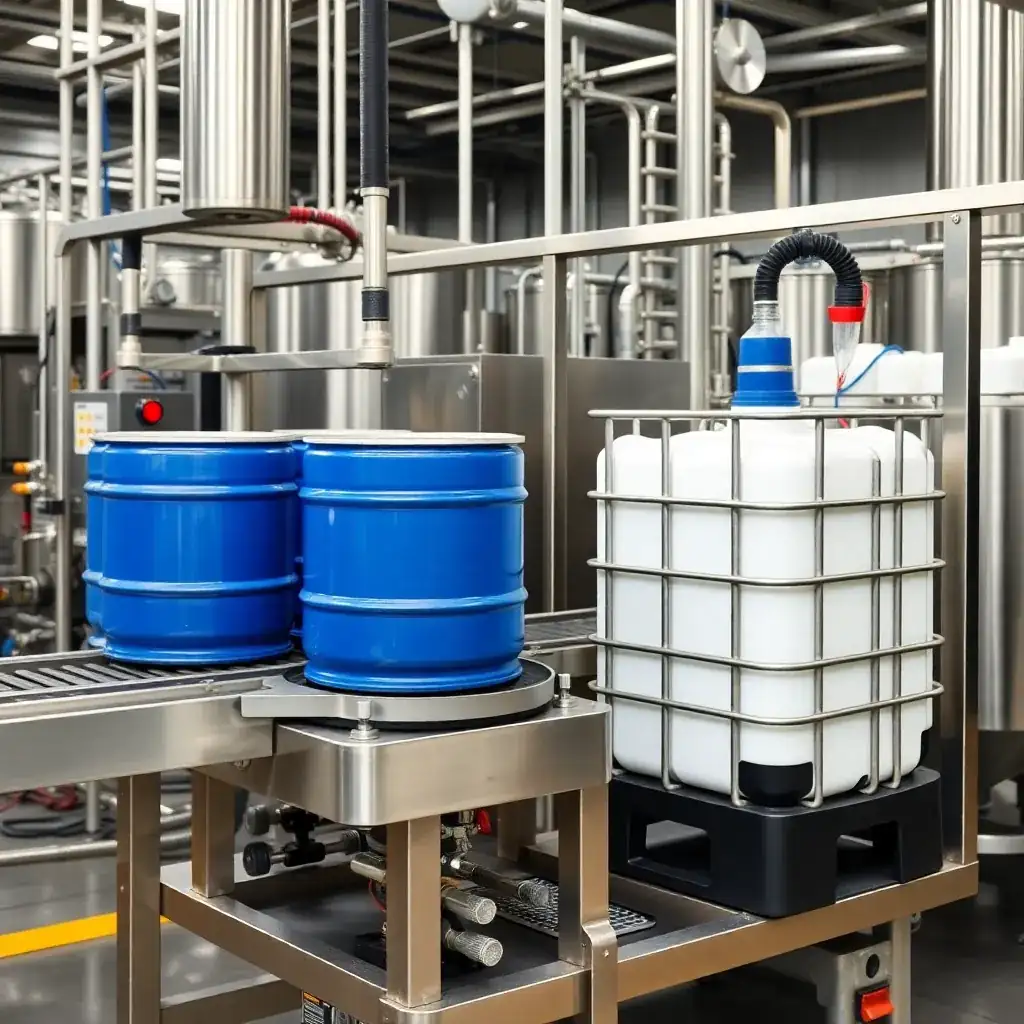
200L Drum Filling Systems
- Typical planning range: 30–80 drums/hour for comparable 200L drum filling systems, depending on automation level and layout
- Net-weight filling is commonly used when high-value chemicals, coatings or lubricants need controlled fill weight
- Automation options may include drum positioning, bung handling, capping, labeling and palletizing integration
- Solvent-based products may require ATEX Zone 1/Zone 2 options, grounding and anti-static hose design
IBC Filling Systems
- Typical planning range: 10–40 IBCs/hour, depending on IBC volume, weighing time and filling method
- Top-fill or rocker-arm filling options are commonly reviewed for large tote containers
- Integrated weighing platforms are often selected for bulk packaging and large-volume accuracy control
- Anti-drip design, cap handling and spill-control layout should be reviewed before final configuration
When to Choose Which?
Choose drum filling when your buyers order smaller lots, your plant changes SKUs frequently, or distributors need standard 200L packages. Choose IBC filling when bulk volumes are standard, customers have IBC handling equipment, and fewer changeovers are expected. If your business serves both channels, ask engineering whether a combined drum and tote filling layout is practical.