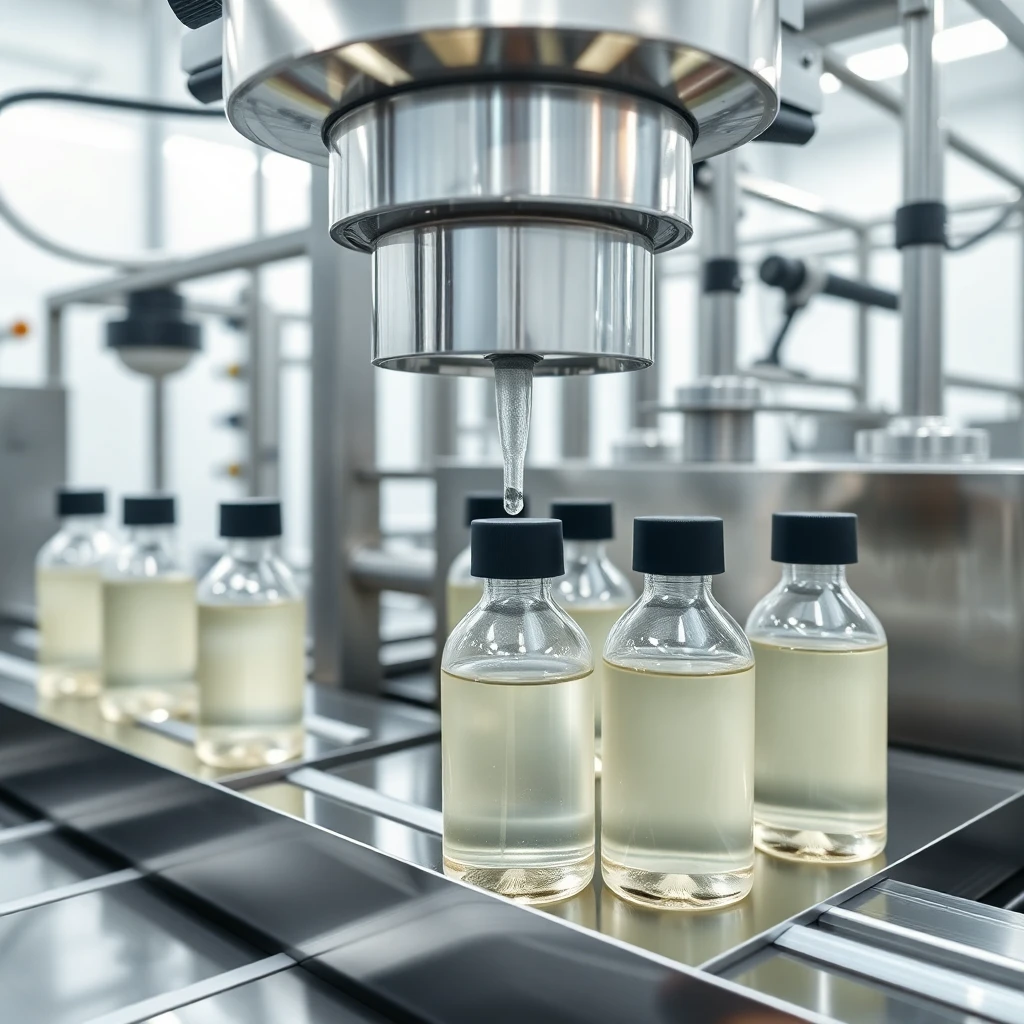
Automation Comparison
Automatic Cream Filling Machine vs Semi-Automatic
A practical comparison for buyers deciding whether cream filling should move from operator-assisted filling to an automatic line.
Short Answer
Automatic cream filling is usually stronger for stable volume, higher output and repeatable packaging flow. Semi-automatic cream filling can fit smaller batches, frequent formula changes and lower startup budgets.
What this buyer search usually means
This search usually means the buyer already understands the product family and is deciding the automation level. The real question is whether labor savings, accuracy, packaging consistency and changeover control justify a more complete line.
- Use this page when the project is about cream filling machine rather than a generic filling machine request.
- Confirm the product, container, closure and output target before comparing machine price.
- Route uncertain projects to engineering review instead of forcing a fixed model too early.
Configuration points to compare
Compare manual container loading, automatic conveyor indexing, filling heads, capping tools, recipe storage, cleaning access and reject handling. The automation decision should follow the slowest step in the packaging process, not the filling station alone.
- Dosing method and filling head count should follow the product behavior and target speed.
- Container handling, cap or closure method and conveyor layout often change the real scope.
- Cleaning, changeover, documentation and spare-part needs should be included in the early RFQ.
Useful parameter range for first review
For source-backed planning, cream and similar high-viscosity products can use 10 ml to 5000 ml filling ranges, SUS304 or SUS316L contact parts, and output assumptions around 2000 to 4000 bottles per hour for reference 100 ml formats.
- Use ranges for early planning; final values depend on the chosen model and technical agreement.
- If a parameter is uncertain, ask HEMUfill to confirm it during quotation instead of publishing it as a fixed promise.
Common mistake to avoid
The common mistake is buying a fast automatic filler while capping, labeling or manual loading stays slow. The full line has to be balanced or the faster filler will not create the expected output.
- Do not judge only from the machine name; the same keyword can hide different containers and automation levels.
- Do not compare quotations until the supply boundary is clear: filling only, complete line, spare parts, documents and commissioning support.
Selection Points
RFQ Checklist
| 1 | Current manual or semi-automatic process and target labor reduction. |
| 2 | Container sizes, cap types and whether labeling or coding is included. |
| 3 | Batch size, SKU count per day and cleaning/changeover expectation. |
| 4 | Target output per hour and available production space. |
| 5 | Whether a staged upgrade is preferred over a full automatic line at once. |
Common Buyer Questions
When does automatic cream filling become worth it?
It becomes easier to justify when the plant has repeated batches, steady container formats, labor pressure and a clear output target. For many small-batch brands, semi-automatic may remain the better first step.
Can semi-automatic equipment be upgraded later?
Some projects can be staged, but not every semi-automatic machine becomes an automatic line. Ask for an upgrade path during the first quotation.
What should be compared besides speed?
Compare changeover time, cleaning access, operator count, cap handling, reject control, spare parts and documentation. Speed alone rarely tells the whole cost story.
Related Products
Related Guides
Need a clearer filling machine quotation?
Send the product name, container details, output target and required modules. HEMUfill will route the inquiry to the right filling machine configuration.
Send RFQ Details